


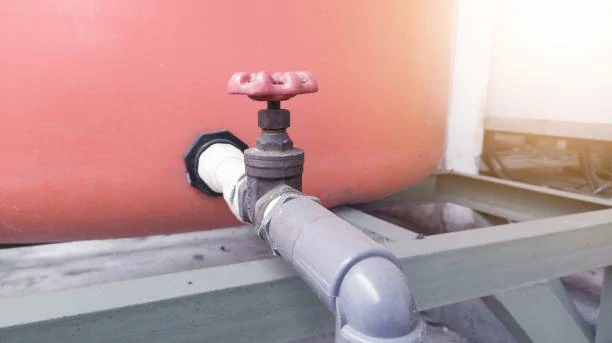
Brass gate valves are essential components in countless plumbing and fluid control systems. They are known for their durability, affordability, and effective flow management. Whether you are working on a residential plumbing setup, an industrial pipeline, or an irrigation system, understanding how brass gate valves work can help you make smarter choices. This guide offers a comprehensive overview of brass gate valves, including definitions, features, applications, buying tips, comparisons, and answers to the most common questions.
Frequently Asked Questions (FAQ)
1. What is a brass gate valve used for?
A brass gate valve controls the flow of liquids or gases by opening or closing a gate inside the valve. It is often used in on/off applications.
2. Can brass gate valves handle high temperatures?
Yes, brass can handle temperatures typically up to 120°C, which makes it suitable for hot water systems and heating pipelines.
3. Are brass gate valves safe for drinking water?
Most modern brass gate valves are low-lead or lead-free and meet safety standards for potable water systems.
4. How do you know if a brass gate valve is open or closed?
In rising stem designs, the valve stem rises when the valve opens. In non-rising stem types, you must rely on the handle position.
5. Do brass gate valves require maintenance?
Yes, occasional inspection and lubrication of the stem can help prevent corrosion and ensure smooth operation over time.
What Is a Brass Gate Valve?
A brass gate valve is a manually operated valve that uses a gate-like disc to start or stop the flow of a fluid. Turning the valve handle raises or lowers the internal gate. When fully open, the gate lifts entirely out of the flow path, allowing unobstructed flow. When closed, it fits tightly into the valve seat, blocking flow entirely.
Brass, an alloy of copper and zinc, offers several performance advantages. It resists corrosion, handles moderate pressure well, and provides a longer service life than many plastic or iron alternatives. The structure of a brass gate valve usually includes a threaded body, a solid wedge or gate, a stem, a handwheel, and sealing components.
Main Features of Brass Gate Valves
- Durability: Brass handles wear and tear better than plastic or mild steel.
- Corrosion Resistance: Brass forms a natural protective layer that prevents rust.
- Smooth Flow: The gate design ensures little turbulence when the valve is open.
- Versatility: Suitable for water, air, oil, and other non-corrosive fluids.
- Serviceability: Simple design makes cleaning and repairs easy.
Gate valves are not ideal for frequent opening and closing, but they perform excellently in systems where full flow or shutoff is needed.
Common Applications and Industries
Thanks to their performance and reliability, brass gate valves are used in various sectors. Below are the most common areas where these valves are found.
Residential Use
Homeowners rely on brass gate valves for water main shutoffs, outdoor spigots, and individual water zones. These valves are compact and easy to operate.
Commercial Plumbing
In commercial buildings, these valves help isolate parts of the water supply system for maintenance or emergency shutoff. Their strength and corrosion resistance make them dependable under daily use.
Industrial Systems
Factories and manufacturing plants use brass gate valves for fluid handling in low- and medium-pressure systems. They control the flow of water, compressed air, and non-aggressive chemicals.
Irrigation Systems
In agricultural and landscaping settings, brass gate valves regulate water flow to different zones. Their resistance to sediment and outdoor exposure makes them a popular option.
Fire Protection Systems
Brass gate valves are also found in sprinkler systems, where they serve as control valves to isolate or release water when needed.
The combination of performance, reliability, and cost-effectiveness makes brass gate valves a go-to choice across industries.
How to Choose the Right Brass Gate Valve
Selecting the best brass gate valve depends on several key factors. Considering these elements helps ensure long-term performance and safety.
Valve Size
Choose a valve size that matches your pipe diameter. Common sizes include ½”, ¾”, 1″, 1½”, and 2″. Oversized or undersized valves can cause flow inefficiency or pressure loss.
Stem Type
Rising stem valves provide a visual indicator of open or closed position. Non-rising stems are better in tight spaces but lack that visual cue.
Pressure and Temperature Ratings
Always check the valve’s pressure and temperature ratings. Brass gate valves typically support working pressures between 125 psi and 200 psi, depending on the size and manufacturer.
Thread Type
Ensure the thread type—NPT, BSP, or compression—matches your piping system. Improper threading can lead to leaks or compatibility issues.
Certifications
For potable water systems, select valves certified by NSF, UPC, or similar regulatory bodies. These certifications ensure the valve is safe for human consumption.
Handle Material
Look for handles made from zinc-coated steel or aluminum. Plastic handles may wear out faster, especially in outdoor environments.
Color and Finish
While not crucial to function, many professionals prefer brass valves with polished finishes or color-coded handles for easier identification during maintenance.
Based on the Title: Everything You Need to Know About Brass Gate Valves
Brass gate valves provide a well-rounded solution for fluid control. From material strength to corrosion resistance, they outperform many plastic options while remaining more affordable than stainless steel.
These valves work best in systems where flow does not need to be frequently adjusted. Their low flow resistance when open and tight shutoff when closed offer efficiency and safety. Moreover, their ability to withstand temperature changes and resist rust makes them suitable for both indoor and outdoor systems.
Understanding the gate valve’s working principle, strengths, and limitations allows users to install the right valve for the job and avoid future system failures. Whether used in a home, farm, or factory, a brass gate valve is a smart investment for reliable flow control.
Brass Gate Valve vs. Other Valve Materials
To better understand the advantages of brass gate valves, let’s compare them with valves made from PVC, stainless steel, and cast iron.
| Feature | Brass Gate Valve | PVC Valve | Stainless Steel Valve | Cast Iron Valve |
|---|---|---|---|---|
| Durability | High | Moderate | Very High | High |
| Corrosion Resistance | Excellent | Excellent (for water) | Excellent | Moderate |
| Cost | Moderate | Low | High | Moderate |
| Temperature Range | -20°C to 120°C | 0°C to 60°C | -50°C to 250°C | -10°C to 200°C |
| Pressure Tolerance | 125–200 psi | 60–100 psi | Up to 600 psi | 150–300 psi |
| Weight | Medium | Light | Heavy | Very Heavy |
| Application Versatility | Broad | Limited | Broad | Limited |
This comparison shows that brass gate valves strike a balance between performance and cost. They are more rugged than plastic valves but don’t carry the high price tag of stainless steel. For general plumbing and irrigation, brass often offers the best return on investment.
Conclusion
Brass gate valves are a cornerstone of efficient and long-lasting plumbing systems. Their ability to withstand wear, resist corrosion, and provide dependable shutoff makes them a preferred choice for homeowners, contractors, and engineers alike.
Before buying, it’s important to understand the valve’s key features, suitable applications, and how it compares to other materials. Choosing the right valve size, stem type, threading, and certifications can make a big difference in long-term performance and safety.
In summary, if you’re searching for a versatile, reliable, and cost-effective solution for fluid control, the brass gate valve remains one of the most trusted options available today.
Contact IFAN for Catalogs and Samples
Need technical documents, catalogs, or sample products? Reach out to IFAN today.
📧 Email: [email protected]
📱 Whatsapp: +86 19857948982
Our team responds quickly and provides professional support for all your pipeline needs.
IFAN international standard
IFAN piping systems comply with a wide range of international standards to ensure high quality and performance. These include ASTM F1974 and ASTM F1281 for multilayer piping systems, CSA B137 for Canadian plumbing applications, DIN 16836 for German technical specifications, GB18997 for Chinese standards, and ISO 21003, which covers multilayer piping systems used for hot and cold water installations. This broad certification scope highlights IFAN’s commitment to global compliance and product reliability.























