


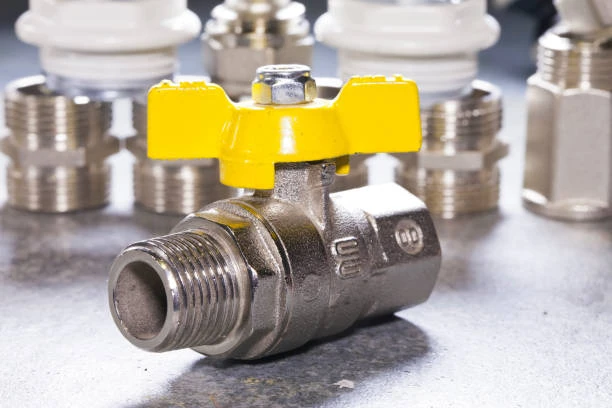
The 1 inch brass ball valve is widely used in plumbing, HVAC, and industrial systems due to its durability, ease of operation, and corrosion resistance. However, like any mechanical component, it is not immune to issues over time. Whether caused by improper installation, wear and tear, or unsuitable conditions, common problems can reduce efficiency and even lead to system failure. Understanding these potential issues helps users maintain system integrity and avoid costly repairs. In this article, we explore the most common problems with 1 inch brass ball valves, their root causes, and how to prevent or fix them.
Frequently Asked Questions (FAQ)
1. Why is my 1 inch brass ball valve leaking?
Leaks often result from worn-out seals, loose fittings, or cracks in the valve body. Over-tightening or corrosion may also be the cause.
2. What causes stiffness when turning the valve handle?
This usually indicates mineral buildup inside the valve, dried lubrication, or internal corrosion affecting the ball movement.
3. Can a 1 inch brass ball valve fail in high temperatures?
Yes, extreme heat may degrade the seals or warp internal components if the valve isn’t rated for such conditions.
4. How do I know if the valve is fully open or closed?
The handle position indicates the status: aligned with the pipe means open, perpendicular means closed. Sticking midway may signal internal damage.
5. Is it possible to repair a faulty brass ball valve?
Minor issues like seal replacements are fixable. However, for internal cracks or significant corrosion, replacement is the safer choice.
Definition and Key Features of a 1 Inch Brass Ball Valve
A 1 inch brass ball valve is a shut-off valve that regulates fluid or gas flow using a rotating ball with a central bore. The valve opens when the hole aligns with the flow and closes when the ball rotates 90 degrees.
Made from brass, an alloy of copper and zinc, this valve combines strength, workability, and corrosion resistance. The “1 inch” size refers to the nominal diameter of the connection points, suitable for piping systems of that size.
Key Characteristics
- Quarter-Turn Mechanism: Enables quick shut-off with minimal wear.
- Brass Construction: Offers durability and corrosion protection in water and air systems.
- Threaded Ends: Allow easy installation with compatible piping.
- PTFE or Teflon Seals: Provide leak resistance under pressure and temperature variations.
- Maintenance-Friendly Design: Few moving parts reduce the risk of breakdown.
These characteristics make the valve a top choice in applications requiring reliable shut-off capability.
Common Uses and Applications
The 1 inch brass ball valve serves many industries, from household plumbing to industrial control systems. Its broad compatibility, especially with water, air, and mild chemicals, allows it to function reliably in various setups.
Residential Applications
- Main water shut-off points
- Garden irrigation systems
- Washing machine and dishwasher connections
- Hot water tank isolation
Commercial Use
- HVAC system regulation
- Compressed air line control
- Fire protection systems
- Boiler room plumbing
Industrial Installations
- Lubricant and fuel control lines
- Light chemical process systems
- Hydraulic and pneumatic system shut-offs
- Non-corrosive fluid transfer
Agricultural and Outdoor Use
- Farm irrigation systems
- Greenhouse water control
- Rainwater collection systems
- Livestock water supply lines
In all these sectors, the valve provides fast, efficient shut-off with minimal maintenance.
Buying Guide: How to Choose a Reliable 1 Inch Brass Ball Valve
To avoid common valve problems, selecting the right model from the beginning is essential. Pay attention to the following key factors:
Brass Grade and Composition
Choose lead-free or low-lead brass for drinking water systems. Look for valves with Dezincification-Resistant (DZR) brass if used in corrosive environments.
Ball and Seat Material
Valves with chrome-plated brass or stainless steel balls reduce friction and resist scale buildup. Seats made from PTFE or reinforced polymers improve sealing and extend valve life.
Pressure and Temperature Ratings
Ensure the valve’s maximum working pressure matches your system. Most 1 inch brass ball valves can handle up to 600 PSI and temperatures up to 180°F, but always verify these figures.
Handle Design
Longer lever handles offer better torque, especially in tight installations. Locking handles are recommended for gas lines or safety-critical areas.
Certifications
Check for NSF 61, UL, CSA, or WRAS certifications to ensure compliance with health and safety standards. Certification guarantees that the valve meets quality expectations.
Thread Compatibility
Verify that the threads match your piping system, whether NPT or BSP. Using adapters increases complexity and may cause leaks if not installed correctly.
Making the right choice from the start can prevent many of the issues that often appear with cheaper or lower-quality alternatives.
Common Problems with 1 Inch Brass Ball Valves
Despite their robust construction, 1 inch brass ball valves can experience certain problems, especially if exposed to poor installation practices or harsh operating conditions. Below are the most frequent issues and how to address them.
1. Leakage Around the Handle
Over time, the stem seal may wear out, especially if the valve is frequently operated. High water pressure or improper handle torque can worsen this.
Solution: Replace the stem packing or O-ring. Ensure that the valve is not over-tightened during use.
2. Stiff or Hard-to-Turn Handle
Stiff movement often results from mineral deposits, lack of lubrication, or rust inside the valve.
Solution: Flush the valve with clean water, apply a valve lubricant, or replace if corrosion is advanced.
3. Internal Corrosion or Cracking
Although brass resists corrosion, exposure to highly acidic or chlorinated water may cause pitting or cracks.
Solution: Replace the valve with one made of DZR brass or stainless steel in more aggressive environments.
4. Valve Not Fully Opening or Closing
This could result from internal scale buildup, foreign objects inside the valve, or damaged seals that prevent smooth rotation.
Solution: Remove the valve and inspect internally. Clean or replace as needed.
5. Threaded Connection Leaks
Improper thread sealing or use of incompatible threads can lead to persistent leaks.
Solution: Use thread sealant tape or compound rated for brass fittings. Avoid over-tightening, which can damage threads or the valve body.
Regular maintenance and correct usage practices greatly reduce the risk of such issues.
Common Problems vs Other Valve Types
Here is a comparison of common issues between 1 inch brass ball valves and other common valve types:
| Problem / Feature | Brass Ball Valve | PVC Ball Valve | Gate Valve | Stainless Steel Valve |
|---|---|---|---|---|
| Corrosion Resistance | High | Low (UV-sensitive) | Moderate | Very High |
| Scale/Mineral Buildup Risk | Medium | Low | High | Low |
| Handle Stiffness Over Time | Moderate | Low | High | Low |
| Risk of Internal Cracks | Low | High | Moderate | Very Low |
| Leak from Stem | Occasionally | Rare | Frequently (older types) | Rare |
| Ease of Repair | Easy (for seals) | Not recommended | Difficult | Medium |
| Typical Lifespan | 10–20 Years | 5–10 Years | 10–15 Years | 20–30 Years |
From this comparison, it’s clear that while brass valves can develop some issues, they offer excellent performance compared to other valve types in most conditions.
Summary
The 1 inch brass ball valve offers long-term reliability, but like all mechanical devices, it can experience problems over time. Common issues include leaks, stiff operation, internal corrosion, and thread sealing failures. Many of these can be prevented or corrected with proper selection, installation, and maintenance.
By understanding these potential challenges and knowing how to address them, users can extend the life of their valves and ensure system efficiency. Choosing a high-quality brass ball valve with proper certifications and suitable pressure ratings is the first step in minimizing risks.
For applications ranging from household plumbing to commercial and industrial systems, the 1 inch brass ball valve remains a top-performing and cost-effective solution. Knowing how to recognize and resolve common problems ensures that this critical component continues to deliver reliable performance for years to come.
Contact IFAN for Catalogs and Samples
Need technical documents, catalogs, or sample products? Reach out to IFAN today.
📧 Email: [email protected]
📱 Whatsapp: +86 19857948982
Our team responds quickly and provides professional support for all your pipeline needs.
IFAN international standard
IFAN piping systems comply with a wide range of international standards to ensure high quality and performance. These include ASTM F1974 and ASTM F1281 for multilayer piping systems, CSA B137 for Canadian plumbing applications, DIN 16836 for German technical specifications, GB18997 for Chinese standards, and ISO 21003, which covers multilayer piping systems used for hot and cold water installations. This broad certification scope highlights IFAN’s commitment to global compliance and product reliability.























