


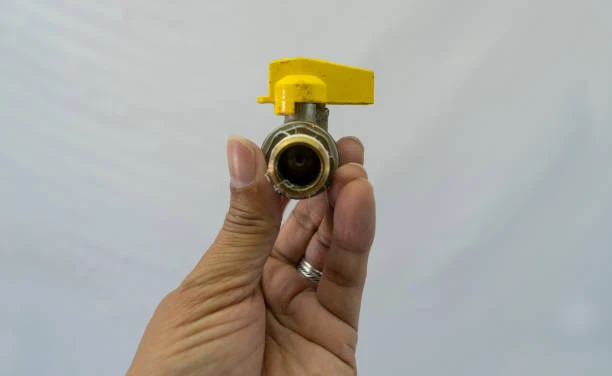
The 1 inch brass ball valve is one of the most dependable components used in modern piping systems. It is known for its long service life, resistance to corrosion, and reliable performance in demanding environments. Whether installed in residential plumbing or industrial pipelines, this valve offers durability and ease of use. Understanding the factors that contribute to its strength can help professionals and homeowners make better purchasing and maintenance decisions. In this article, we will explore what makes the 1 inch brass ball valve so durable, where it is most commonly used, how to choose the right one, and how it compares with other valve materials.
Frequently Asked Questions (FAQ)
- How long does a 1 inch brass ball valve last?
When properly installed and maintained, a brass ball valve can last 10 to 20 years or more, depending on usage and environmental conditions. - Can a 1 inch brass ball valve withstand high pressure?
Yes, most models can handle up to 600 PSI, making them suitable for high-pressure water, gas, or air systems. - Is a brass valve better than a plastic valve in terms of durability?
Yes, brass valves are more resistant to heat, pressure, and wear, which gives them a longer lifespan than plastic alternatives. - Does corrosion affect brass ball valves?
Brass resists corrosion well, especially from water and mild chemicals. However, exposure to highly acidic or basic fluids may reduce lifespan. - What causes a brass ball valve to fail?
Failures typically occur due to poor installation, excessive torque on the handle, mineral buildup, or use with incompatible chemicals.
What Is a 1 Inch Brass Ball Valve?
A 1 inch brass ball valve is a mechanical shut-off valve designed to control the flow of liquid or gas in a pipeline. It features a ball with a central hole that aligns with the pipe when open and blocks flow when turned 90 degrees. The valve body is made of brass, a corrosion-resistant alloy of copper and zinc, which provides a balance of strength, flexibility, and cost-effectiveness.
The “1 inch” refers to the nominal diameter of the valve’s inlet and outlet, making it suitable for systems with 1 inch piping. This size is often used in household water systems, commercial HVAC units, and mid-sized industrial setups.
Key Features That Support Durability
Several factors contribute to the long service life and structural integrity of the 1 inch brass ball valve:
- Robust Brass Body: Offers high tensile strength and resists internal and external corrosion.
- Chrome-Plated Ball: Enhances wear resistance and reduces friction for smoother operation.
- PTFE Seals: Provide leak-proof sealing and can withstand both high and low temperatures.
- Quarter-Turn Operation: Reduces mechanical wear and ensures faster shut-off compared to gate valves.
- Threaded or Compression Ends: Offer easy installation without welding or soldering, reducing installation stress on the valve.
Together, these elements create a valve that not only performs reliably but also stands the test of time.
Common Applications and Industries
Because of its strength and reliability, the 1 inch brass ball valve finds use in many fields. Its size and material composition make it ideal for medium-duty systems where flow control must be both precise and durable.
Residential Plumbing
In homes, brass ball valves are commonly found in main water shut-off points, beneath sinks, or near water heaters. They also appear in sprinkler systems, pool equipment, and pressure tanks. Their easy quarter-turn operation makes them especially convenient for homeowners.
Commercial Use
In commercial settings, these valves control water, air, and steam in HVAC systems, boilers, and compressed air lines. Offices, apartment complexes, and small businesses rely on brass ball valves for long-term, low-maintenance operation.
Industrial Environments
Factories and processing plants use 1 inch brass ball valves in chemical transfer, fuel lines, and pneumatic systems. While stainless steel is preferred for highly corrosive substances, brass remains a reliable option for general industrial use.
Agriculture and Irrigation
Brass valves are also used in irrigation systems to control water flow to different zones. Their corrosion resistance and ability to handle changing weather make them suitable for outdoor installation.
Marine and Automotive
Marine engines and vehicle fuel lines sometimes use brass ball valves due to their strength and resistance to vibration. However, in saltwater systems, additional protective coatings may be necessary.
Buying Guide: How to Choose a Durable 1 Inch Brass Ball Valve
Selecting the right valve involves understanding not just size and pressure ratings, but also quality factors that influence long-term durability.
Material Quality
Always opt for high-quality, low-lead or lead-free brass, especially if the valve will come into contact with drinking water. Valves with DZR (Dezincification Resistant) brass resist corrosion even better in harsh environments.
Internal Components
Look for valves with chrome-plated or stainless steel balls, as they reduce friction and extend the life of the sealing surfaces. Soft seals made of PTFE or reinforced Teflon offer long-lasting leak resistance.
Handle Type
Lever handles provide better control and durability than butterfly handles, especially in systems with moderate to high torque. Valves with anti-slip or locking handles are ideal for safety-critical environments.
Certifications and Standards
Choose valves certified by NSF, CSA, or WRAS, depending on the application. Pressure and temperature ratings should match or exceed your system’s requirements.
Thread Compatibility
Ensure that the valve thread type matches your piping (e.g., NPT, BSP). Incompatible threads can lead to leaks or require adapters that reduce reliability.
By focusing on these key areas, buyers can ensure they are choosing a valve that will perform well and last long, even under demanding conditions.
The Durability of 1 Inch Brass Ball Valves
Durability is one of the primary reasons professionals choose brass ball valves over other options. Several mechanical and environmental factors influence how long the valve will last, but brass inherently has several advantages.
Brass combines strength and resistance to environmental stress. It does not rust like iron, and it is less brittle than plastic. When used in clean water systems, brass valves can function for decades with minimal maintenance. The ball mechanism inside the valve rotates smoothly and, with quality seals, offers tight shut-off over thousands of cycles.
Brass is also thermally stable. It handles wide temperature fluctuations without expanding or contracting excessively, which helps maintain seal integrity. For systems operating in environments with temperature extremes, this stability contributes to the valve’s longevity.
In addition, brass handles pressure well. Most 1 inch brass ball valve is rated for up to 600 PSI, allowing them to be used in systems with variable or even high pressure. Because of their simplicity and mechanical reliability, brass ball valves are also less likely to clog or become stuck compared to more complex valve designs.
1 Inch Brass Ball Valve vs Other Valve Materials
To better understand the value of brass, let’s compare it with other common valve materials.
| Feature | Brass Ball Valve | PVC Ball Valve | Stainless Steel Valve | Bronze Ball Valve |
|---|---|---|---|---|
| Corrosion Resistance | High | Moderate | Excellent | High |
| Temperature Tolerance | Medium-High | Low | Very High | High |
| Pressure Tolerance | Up to 600 PSI | Up to 150 PSI | Over 1000 PSI | Up to 600 PSI |
| Cost | Moderate | Low | High | Moderate-High |
| Weight | Medium | Light | Heavy | Medium |
| Lifespan | 10–20 Years | 5–10 Years | 20–30 Years | 15–25 Years |
| Ideal Use | Plumbing, HVAC | Garden, Low Flow | Chemical, Industrial | Marine, HVAC |
As the table shows, brass valves offer a good balance between affordability and durability. While PVC is more affordable, it lacks the pressure and temperature resistance needed for many systems. Stainless steel outperforms brass in extreme conditions but comes with a significantly higher cost. Bronze performs similarly to brass but is often used in marine environments.
Summary
The 1 inch brass ball valve is a time-tested solution for fluid control in a wide range of systems. Its durability stems from the combination of a tough brass body, reliable sealing components, and a straightforward design that minimizes wear. When properly chosen and installed, it can serve efficiently for many years without significant maintenance.
This valve offers an ideal mix of affordability, strength, and performance. Whether used in home plumbing, commercial heating systems, or industrial equipment, the 1 inch brass ball valves provides dependable flow control. Its durability makes it a top choice for those who value long-term reliability and low maintenance.
If you’re looking for a balance between cost and quality, the 1 inch brass ball valves continues to be one of the most trusted components in the fluid control industry.
Contact IFAN for Catalogs and Samples
Need technical documents, catalogs, or sample products? Reach out to IFAN today.
📧 Email: [email protected]
📱 Whatsapp: +86 19857948982
Our team responds quickly and provides professional support for all your pipeline needs.
IFAN international standard
IFAN piping systems comply with a wide range of international standards to ensure high quality and performance. These include ASTM F1974 and ASTM F1281 for multilayer piping systems, CSA B137 for Canadian plumbing applications, DIN 16836 for German technical specifications, GB18997 for Chinese standards, and ISO 21003, which covers multilayer piping systems used for hot and cold water installations. This broad certification scope highlights IFAN’s commitment to global compliance and product reliability.























