


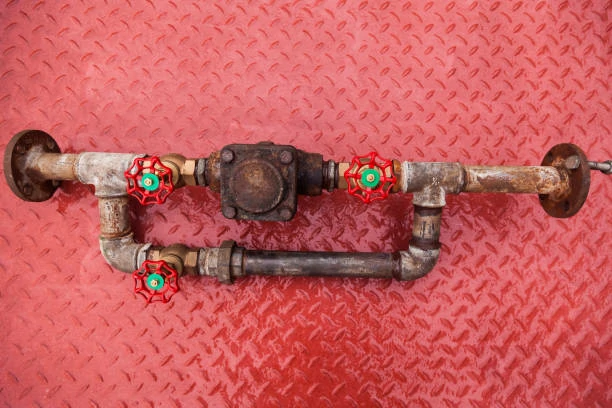
The 1 inch brass ball valve plays a critical role in fluid control systems across many industries. Known for its durability, versatility, and compact design, this valve type allows users to efficiently manage water, gas, oil, and other substances in both residential and commercial systems. Whether used in plumbing networks, heating setups, or industrial processes, the 1 inch brass ball valve delivers reliable shut-off capabilities and long-term performance. This article explores the core features, benefits, applications, and considerations when selecting a brass ball valve of this size.
Frequently Asked Questions (FAQ)
- What is a 1 inch brass ball valve used for?
It is used to control the flow of water, air, oil, or gas in a pipeline. It provides quick shut-off and precise flow regulation. - Is a brass ball valve suitable for both hot and cold water systems?
Yes, brass has excellent thermal resistance and works well in both hot and cold water systems. - Can a brass ball valve be used for gas lines?
Absolutely. Brass ball valves are commonly used in residential and industrial gas lines due to their strength and resistance to corrosion. - How do I know if a 1 inch valve is the right size?
Measure the pipe’s internal diameter. If it’s 1 inch, then a 1 inch valve will match and ensure proper connection. - What are the advantages of choosing brass over plastic or stainless steel?
Brass offers a strong balance of durability, corrosion resistance, and affordability. It’s more durable than plastic and less expensive than stainless steel.
What Is a 1 Inch Brass Ball Valve?
A 1 inch brass ball valve is a type of shut-off valve that uses a spherical ball with a hole through it to control fluid flow. When the handle is turned, the ball rotates to either allow or block the flow of the medium. The “1 inch” refers to the nominal diameter of the valve’s connection ports, making it suitable for pipelines with a 1 inch internal diameter.
Key Characteristics
The valve body is made of brass, a durable metal alloy composed of copper and zinc. It resists corrosion and pressure, making it ideal for plumbing and industrial environments. The internal ball has a hole through the center that aligns with the pipe when the valve is open and turns perpendicular to block flow when closed. This quarter-turn design offers fast and simple operation.
Most models use PTFE seals to ensure leak-proof performance. In addition, many brass ball valves are available with different types of handles, including long-lever or butterfly types, depending on the available installation space. The valve ends may be threaded or compression-fit, depending on system requirements.
Common Uses and Application Industries
Thanks to its versatility and strength, the 1 inch brass ball valve is widely used across various sectors. Let’s explore the most common scenarios.
Residential Applications
In homes, these valves appear in water supply lines, especially beneath sinks, toilets, and outside faucets. They are also used in garden irrigation systems to shut off water flow to specific zones. In central heating and HVAC setups, they help control hot water circulation. Their simple operation makes them ideal for homeowners and plumbers alike.
Commercial and Industrial Applications
In commercial buildings and factories, brass ball valves are used in compressed air systems, fuel lines, and water supply grids. In industries dealing with petroleum or gas, brass ball valves serve as safe and efficient control points. For food-grade applications, special non-toxic brass options meet health and hygiene standards. Their ability to handle high pressure and moderate temperature ranges makes them suitable for a wide spectrum of environments.
Buying Guide: How to Choose the Right 1 Inch Brass Ball Valve
Choosing the right brass ball valve ensures reliable performance, longer service life, and fewer maintenance issues. Several factors should guide your decision when selecting a 1 inch model.
Material Quality
Opt for lead-free or low-lead brass if the valve will be used in potable water systems. Higher purity in the brass alloy ensures improved resistance to corrosion and pressure damage over time. Some valves are also nickel-plated to enhance protection against surface oxidation.
Valve Type
Determine whether a standard two-way valve is sufficient or if a three-way or multi-port configuration better suits your system. Multi-port valves allow flow redirection, which is useful in complex setups.
Handle Design
Long lever handles provide easier manual operation, especially in high-pressure systems. However, butterfly or T-handles are more suitable for compact spaces where clearance is limited.
Color Indicators
Though not essential for function, color-coded handles help users quickly identify the fluid type. For instance, blue handles typically indicate cold water, while red is used for hot water systems.
Certifications and Standards
Always verify that the product has necessary certifications, such as NSF/ANSI for potable water, CSA for gas use, or UL for fire safety. Certification ensures the valve meets rigorous safety and performance standards.
Thread Type and End Connections
Check whether the valve uses NPT (National Pipe Thread), BSP (British Standard Pipe), or another thread form. Mismatched threads can lead to leaks or improper fitting. If you use copper or PEX pipes, compression fittings may be more suitable than threaded ends.
Applications and Benefits of 1 Inch Brass Ball Valve
The 1 inch brass ball valve delivers multiple benefits that enhance its popularity across plumbing and mechanical systems.
Easy Installation and Operation
One of the most notable advantages is ease of installation. The quarter-turn handle makes the valve easy to operate. Threaded connections simplify the attachment process with basic tools.
Corrosion Resistance
Brass resists water corrosion, making it suitable for both potable water and chemical flow. It performs well in outdoor or humid conditions without developing rust or pitting.
Long Service Life
Because of its robust material and design, the brass ball valve can operate reliably for years, even under moderate to high pressure. Minimal maintenance is required beyond occasional inspection.
Leak Prevention
High-quality valves use PTFE or rubber seats and seals that tightly compress when the valve is closed, preventing leaks. This ensures consistent and efficient operation in critical systems.
Compact Size
Brass ball valves have a smaller profile than gate or globe valves. This compact size is beneficial in tight areas, especially behind walls or within cabinetry.
1 Inch Brass Ball Valve vs. Other Valve Materials
Choosing the right valve material involves balancing cost, durability, and system compatibility. Below is a comparison of 1 inch brass ball valves with other common valve materials.
| Feature | Brass Ball Valve | PVC Ball Valve | Stainless Steel Ball Valve | Bronze Ball Valve |
|---|---|---|---|---|
| Corrosion Resistance | High | Moderate | Excellent | High |
| Temperature Tolerance | Medium-High | Low | Very High | High |
| Pressure Rating | Up to 600 PSI | Up to 150 PSI | Up to 1000+ PSI | Up to 600 PSI |
| Cost | Moderate | Low | High | Moderate-High |
| Potable Water Safety | Lead-Free Options | Some Types | Excellent | Excellent |
| Ease of Installation | Easy | Very Easy | Moderate | Easy |
| Weight | Medium | Light | Heavy | Medium |
| Typical Applications | Plumbing, Gas | Irrigation | Industrial, Marine | Marine, Plumbing |
Brass offers an ideal balance between performance and affordability. Unlike plastic, it tolerates heat better. Unlike stainless steel, it’s more cost-effective for general use.
Summary
The 1 inch brass ball valve is a reliable and efficient choice for managing fluid flow in a wide range of systems. From homes to industrial facilities, this compact yet powerful component ensures precise control, easy operation, and long-term reliability. With resistance to corrosion, high pressure, and variable temperatures, brass remains one of the most practical materials for valve construction.
By understanding its key features, comparing it with alternative materials, and following a careful selection process, users can ensure optimal performance in any system. Whether you are a homeowner upgrading plumbing lines or an engineer designing an industrial network, the 1 inch brass ball valve is a trustworthy and cost-effective solution.
Contact IFAN for Catalogs and Samples
Need technical documents, catalogs, or sample products? Reach out to IFAN today.
📧 Email: [email protected]
📱 Whatsapp: +86 19857948982
Our team responds quickly and provides professional support for all your pipeline needs.
IFAN international standard
IFAN piping systems comply with a wide range of international standards to ensure high quality and performance. These include ASTM F1974 and ASTM F1281 for multilayer piping systems, CSA B137 for Canadian plumbing applications, DIN 16836 for German technical specifications, GB18997 for Chinese standards, and ISO 21003, which covers multilayer piping systems used for hot and cold water installations. This broad certification scope highlights IFAN’s commitment to global compliance and product reliability.























