


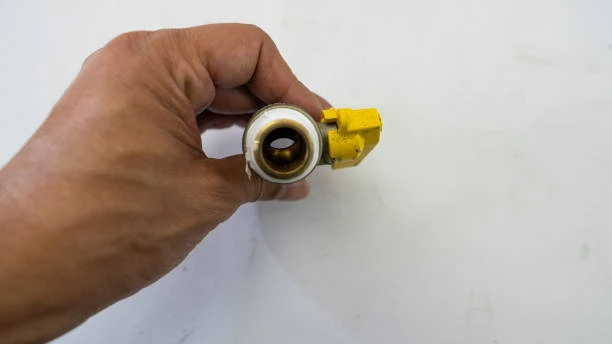
When selecting a valve for plumbing or fluid control systems, making the right choice can significantly affect performance and reliability. Among the various options available, the compression ball valve stands out as a smart choice. Not only is it known for its quick shutoff capabilities, but it also provides a leak-resistant seal without the need for heat, glue, or complex tools.
Throughout this article, we will explore why the compression ball valve is considered a top-tier solution. We’ll answer common questions, explain how the valve works, outline its many applications, and guide you in selecting the right one. In addition, we’ll compare it with other valve types to help you make an informed decision.
Frequently Asked Questions (FAQ)
1. What is a compression ball valve?
A compression ball valve is a shutoff valve that uses a rotating ball to stop or allow flow and connects to pipes using compression fittings.
2. How does a compression ball valve differ from other valve types?
Unlike soldered or threaded valves, it requires no special tools or heating. The compression fittings provide a secure, leak-free seal through mechanical pressure.
3. Is a compression ball valve suitable for DIY projects?
Yes, its user-friendly design makes it ideal for both professionals and homeowners. Installation is simple and fast.
4. Can a compression ball valve be reused?
In most cases, yes. With proper removal, the valve and compression nuts can often be reused in another location.
5. Where is a compression ball valve typically used?
It’s widely used in residential plumbing, commercial systems, HVAC applications, and water treatment systems for quick shutoff and control.
Definition and Core Features of the Compression Ball Valve
To understand why the compression ball valve is such a smart choice, it’s important to look at how it works and what makes it different from other valves.
A compression ball valve includes two key parts:
- A rotating ball with a hole through its center
- Compression fittings that seal to the pipe as you tighten the nuts
By turning the handle 90 degrees, the hole inside the ball aligns or misaligns with the pipe, allowing or blocking fluid flow. The compression fittings, on the other hand, create a watertight seal without any solder, tape, or glue. This makes installation cleaner and more efficient.
Key Features
- Quick shutoff with a quarter-turn handle
- Leak-free compression seal without heat
- Durable brass or stainless-steel construction
- Wide compatibility with copper, PEX, and CPVC pipes
- Compact body ideal for tight spaces
- Reusable components with proper care
Thanks to this combination of convenience and reliability, compression ball valves are used in countless systems around the world.
Common Uses and Industry Applications
Because of its smart design, the compression ball valve fits well into many types of fluid systems. Let’s take a closer look at the most common use cases.
Residential Plumbing
In homes, compression ball valves are often used to control water flow to toilets, sinks, dishwashers, and washing machines. During maintenance or emergencies, the ability to shut off water instantly can prevent damage and reduce repair time.
Heating and Cooling Systems
In HVAC installations, these valves help isolate specific circuits or control zones in hydronic systems. Their ease of operation ensures quick adjustments without disrupting the entire system.
Water Filtration and Softener Units
Compression ball valves are ideal for use in water treatment systems. They allow homeowners to cut off water during filter replacement or cleaning procedures with minimal effort.
Commercial Facilities
In commercial kitchens, offices, and medical facilities, compression ball valves offer reliable shutoff for sinks, ice machines, and water dispensers. Their fast operation helps minimize disruptions.
Industrial Applications
Though mostly found in low to medium-pressure systems, compression ball valves also find a place in light industrial environments. For example, laboratories or small-scale production systems often benefit from their simplicity and reliability.
Because of this wide utility, these valves continue to gain popularity across different sectors.
Buying Guide: How to Choose the Right Compression Ball Valve
To ensure peak performance and durability, selecting the right compression ball valve involves several considerations. Let’s go step by step.
1. Match the Pipe Material and Size
Always confirm the type of pipe—PEX, copper, or CPVC—and select a valve designed for that material. Common sizes include 1/2″, 3/4″, and 1″.
2. Choose the Right Valve Body Material
Brass is the standard for residential and commercial use due to its strength and corrosion resistance. Stainless steel may be preferred for harsher environments, while plastic is suitable for non-critical low-pressure systems.
3. Check Pressure and Temperature Ratings
Make sure the valve can handle the specific demands of your system. Most models operate up to 600 PSI and around 200°F, but always confirm before installation.
4. Evaluate Handle Design and Accessibility
Select a handle that’s easy to turn and fits well in your installation space. Some models offer locking handles for added safety or long levers for easier operation.
5. Look for Certifications
If you’re using the valve for potable water or gas, make sure it carries certifications like NSF, CSA, or UPC to ensure compliance and safety.
By following these steps, you’ll confidently choose a compression ball valve that fits both your needs and regulatory standards.
Why a Compression Ball Valve Is a Smart Choice
The title of this article emphasizes that the compression ball valve is a smart choice, and here’s why:
Time-Saving Installation
Because compression fittings require no soldering, installation takes just minutes. This is especially helpful during emergency repairs or retrofitting older systems.
Minimal Tools Needed
All you need is a pair of wrenches to tighten the compression nuts. This simplicity makes it accessible to homeowners, while professionals benefit from faster turnaround times.
Leak-Free and Reliable
Thanks to its design, a compression ball valve creates a highly reliable seal. The ferrule compresses around the pipe, ensuring long-term leak protection.
Excellent for Tight Spaces
Compression ball valves are compact and can fit into tight areas where soldering or threading would be difficult or unsafe.
Reusability and Versatility
If removed carefully, these valves can be reused in other applications. Their compatibility with various pipe types also adds to their flexibility.
Clearly, these advantages make compression ball valves not only practical but also economical over the long term.
Comparison: Compression Ball Valve vs Other Valve Types
| Feature | Compression Ball Valve | Threaded Valve | Soldered Valve | Push-Fit Valve |
|---|---|---|---|---|
| Installation Time | Fast | Medium | Slow | Very Fast |
| Tools Required | Basic wrenches | Pipe wrenches | Torch, flux | None |
| Leak Protection | Excellent | Good | Excellent | Moderate |
| Skill Level Required | Low | Medium | High | Low |
| Pipe Compatibility | PEX, CPVC, Copper | Mostly metal | Copper only | PEX, CPVC, Copper |
| Shutoff Mechanism | Quarter turn | Quarter turn | Quarter turn | Variable |
| Reusability | Yes | Sometimes | Rare | Yes |
| Safety (No Heat/Chemical) | Yes | Yes | No | Yes |
From this comparison, it becomes clear that compression ball valves offer the perfect balance of performance, safety, and convenience. They outperform soldered valves in speed and safety while being more durable than push-fit fittings.
Conclusion
In summary, the compression ball valve lives up to its reputation as a smart choice. Its ease of installation, quick shutoff function, and durable design make it suitable for a wide range of residential, commercial, and even industrial applications.
By understanding its key features and comparing it with other options, you can see why so many professionals and homeowners prefer compression ball valves. Their versatility, safety, and reusability offer a clear advantage over traditional valve types.
So whether you’re planning a new plumbing system or upgrading an old one, choosing a compression ball valve is a decision that ensures long-term efficiency and peace of mind.
Contact IFAN for Catalogs and Samples
Need technical documents, catalogs, or sample products? Reach out to IFAN today.
📧 Email: [email protected]
📱 Whatsapp: +86 19857948982
Our team responds quickly and provides professional support for all your pipeline needs.
IFAN international standard
IFAN piping systems comply with a wide range of international standards to ensure high quality and performance. These include ASTM F1974 and ASTM F1281 for multilayer piping systems, CSA B137 for Canadian plumbing applications, DIN 16836 for German technical specifications, GB18997 for Chinese standards, and ISO 21003, which covers multilayer piping systems used for hot and cold water installations. This broad certification scope highlights IFAN’s commitment to global compliance and product reliability.























