


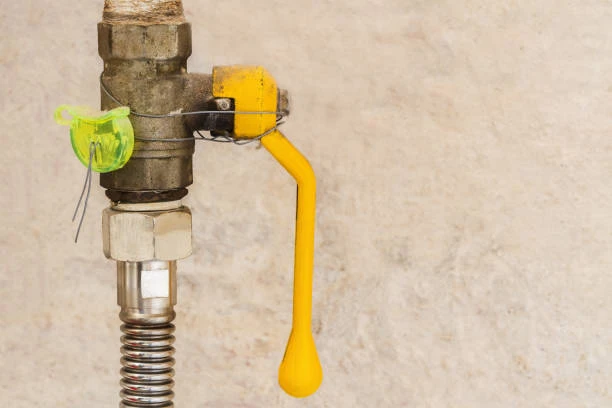
A reliable plumbing or fluid control system requires components that not only perform efficiently but also ensure minimal maintenance. One such essential component is the compression ball valve. Whether you are a professional plumber or a DIY enthusiast, understanding how a compression ball valve functions in real-world applications is key to selecting the right product for your project.
This article explores the compression ball valve in action—covering its functionality, advantages, and diverse applications. We will also provide a detailed FAQ section, definition and features, usage scenarios, a comprehensive buying guide, practical comparisons, and a final summary to wrap everything up.
Frequently Asked Questions (FAQ)
1. What is a compression ball valve?
It is a type of shut-off valve that uses compression fittings and a rotating ball to control flow in piping systems.
2. Where are compression ball valves typically used?
They are widely used in residential plumbing, HVAC systems, water filtration units, and small-scale industrial setups.
3. Are compression ball valves easy to install?
Yes, installation is straightforward and requires only basic tools, such as wrenches, without the need for soldering or threading.
4. Can these valves prevent leaks effectively?
Absolutely. Their design ensures a tight seal, which significantly reduces the risk of leaks when properly installed.
5. How long do compression ball valves last?
With proper installation and moderate use, these valves can last for many years due to their robust construction.
What Is a Compression Ball Valve? Key Features Explained
To begin with, a compression ball valve consists of two main mechanisms: a compression fitting on either end, and a ball inside the valve that rotates to open or close the flow of fluid. When the handle is turned 90 degrees, the ball either aligns with the pipe, allowing flow, or blocks the passage, stopping flow entirely.
The compression fittings function by squeezing a ferrule (a metal or plastic ring) against the pipe when the nut is tightened. This compression creates a strong, leak-free seal without the need for soldering, glue, or welding.
Let’s look at some of its notable features:
- Quarter-turn control: Enables quick shut-off and reopening of the valve.
- Tool-friendly installation: Requires only wrenches—no soldering or heat needed.
- Durability: Made from materials like brass or stainless steel for longevity.
- Leak prevention: Compression seals are tight and reliable when correctly installed.
- Compact design: Fits well in tight spaces, especially in retrofit projects.
- Low maintenance: Smooth operation reduces wear and tear on moving parts.
Thanks to these characteristics, compression ball valves are ideal for both new installations and replacements.
Typical Uses and Industries
Because of their versatility and ease of use, compression ball valves are utilized across a wide range of applications. Let’s explore how they perform in different environments.
Residential Applications
First and foremost, these valves are extremely common in home plumbing systems. Homeowners often use them to isolate toilets, sinks, dishwashers, and washing machines. Their ease of use and leak-free performance make them perfect for both new builds and quick repairs.
HVAC and Radiant Heating
Moreover, compression ball valves are essential in heating, ventilation, and air conditioning systems. For example, they control hot water flow in radiant heating loops or shut off water to individual units for maintenance.
Water Filtration Systems
In addition, they play a vital role in water filtration units. Technicians use them to shut off water during filter replacement, minimizing water loss and ensuring clean operations.
Commercial Kitchens and Labs
Furthermore, in commercial kitchens and laboratories, compression ball valves manage water, gas, or chemical flows with reliability. Their durable build stands up to frequent use and harsh environments.
Light Industrial Use
Lastly, many workshops and factories rely on these valves to control non-corrosive fluids or compressed air in low- to medium-pressure systems.
In short, the flexibility of compression ball valves makes them a go-to choice for countless scenarios.
Buying Guide: How to Choose the Right Compression Ball Valve
When selecting a compression ball valve, there are several factors that you should always consider to ensure maximum compatibility and performance.
1. Pipe Size and Type
Begin by identifying the correct pipe size—common sizes include 1/2 inch, 3/4 inch, and 1 inch. Also, make sure your pipe material (copper, PEX, or CPVC) is compatible with the valve model you choose.
2. Material Composition
Brass is a standard choice for its balance of strength and cost. However, stainless steel is preferred for more corrosive environments or industrial settings due to its higher durability.
3. Pressure and Temperature Ratings
Ensure the valve can handle the pressure and temperature demands of your system. Look for valves rated up to 600 psi and temperatures up to 200°F or more.
4. Port Design
You may choose between standard port and full-port valves. Full-port valves allow unrestricted flow, making them ideal for systems where pressure drops need to be minimized.
5. Handle Accessibility
Select a model with a lever-style handle that’s easy to grip and turn, even in confined areas. Some valves also come with locking mechanisms for added safety.
6. Certifications and Safety
Lastly, confirm that the valve complies with relevant safety standards (e.g., NSF, ANSI, or UPC). Certification indicates a tested and proven product.
Choosing wisely will help you achieve leak-free, long-lasting performance across your system.
Compression Ball Valve in Action: What Makes It So Reliable?
Now let’s focus on how the compression ball valve operates in real-world conditions.
Smooth Shut-Off Function
When the handle turns, the ball inside rotates. If the hole inside the ball aligns with the piping, fluid flows freely. When turned 90 degrees, the hole is perpendicular to the flow, shutting it off immediately. This quick response is especially valuable during emergencies.
Excellent Leak Prevention
Due to the compression fittings, once the nut is tightened onto the ferrule and pipe, it seals completely. This ensures water or gas does not escape, even under high pressure.
Easy Maintenance and Replacement
Because no soldering or adhesives are involved, the valve can be removed and reinstalled easily, saving time during system upgrades or repairs.
Vibration Resistance
Unlike threaded connections that may loosen over time, compression fittings stay tight—even in systems prone to vibration or slight movement.
Real-Time Testing Capability
Technicians can install the valve and immediately test for leaks without waiting for glue to cure or metal to cool. This accelerates project timelines considerably.
Thus, in action, compression ball valves provide speed, safety, and simplicity.
Comparison: Compression Ball Valve vs. Other Valve Types
| Feature | Compression Ball Valve | Threaded Valve | Soldered Valve | Push-Fit Valve |
|---|---|---|---|---|
| Installation Tool Needed | Wrenches only | Pipe wrench | Torch and solder | None |
| Leak Prevention | Excellent | Good | Excellent | Moderate |
| Reusability | High | Medium | Low | High |
| Skill Level Required | Low | Moderate | High | Very Low |
| Ideal Pipe Compatibility | Copper, PEX, CPVC | Metal pipes | Copper | PEX, CPVC |
| Cost Efficiency | Moderate | Low | Low | High |
| Maintenance Frequency | Low | Medium | Low | Medium |
| Turn-Off Speed | Instant (¼ turn) | Variable | Variable | Instant (¼ turn) |
As shown in the table, compression ball valves offer a unique combination of benefits—combining professional-grade sealing with easy installation and minimal maintenance.
Conclusion
In conclusion, a compression ball valve in action showcases all the qualities needed for a dependable fluid control system. From leak prevention to simple installation, these valves outperform many alternatives while remaining accessible to both professionals and DIY users.
They prove useful in a wide range of settings, including homes, businesses, and industrial environments. Thanks to their compact size, user-friendly design, and durable construction, they have become an essential component in modern plumbing and piping systems.
When choosing a valve, remember to consider your pipe size, material compatibility, and system requirements. With the right selection, your compression ball valve will provide long-lasting, trouble-free performance.
Whether you are planning a new installation or replacing outdated components, a compression ball valve ensures the secure and leak-free results you expect.
Contact IFAN for Catalogs and Samples
Need technical documents, catalogs, or sample products? Reach out to IFAN today.
📧 Email: [email protected]
📱 Whatsapp: +86 19857948982
Our team responds quickly and provides professional support for all your pipeline needs.
IFAN international standard
IFAN piping systems comply with a wide range of international standards to ensure high quality and performance. These include ASTM F1974 and ASTM F1281 for multilayer piping systems, CSA B137 for Canadian plumbing applications, DIN 16836 for German technical specifications, GB18997 for Chinese standards, and ISO 21003, which covers multilayer piping systems used for hot and cold water installations. This broad certification scope highlights IFAN’s commitment to global compliance and product reliability.























