


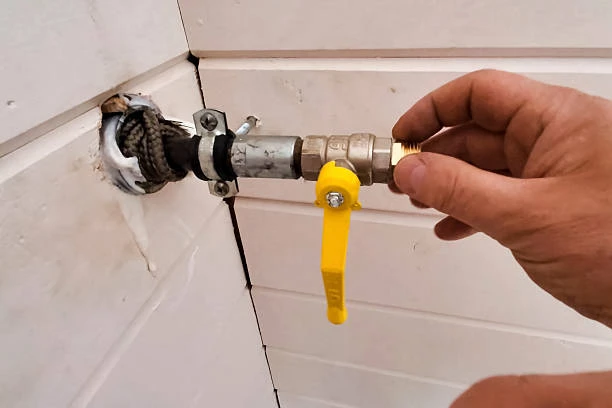
Introduction: Achieving Reliable Flow Control with the 3/4 in Brass Ball Valve
Ensuring a consistent and reliable flow in plumbing and industrial systems is essential for operational efficiency and safety. The 3/4 in brass ball valve has become a trusted component for controlling fluid flow due to its robust construction, ease of use, and dependable sealing capabilities. Designed to provide precise control with a simple quarter-turn handle, this valve offers leak-free performance and durability across many applications. In this article, we will explore the valve’s fundamental features, common uses, selection criteria, and how it compares with other valve materials, demonstrating why it remains a preferred choice for reliable flow management.
Frequently Asked Questions (FAQ)
1. What are the main benefits of using a 3/4 in brass ball valve?
It provides durable construction, easy operation, and reliable sealing that prevents leaks.
2. Is the 3/4 inch size suitable for home plumbing systems?
Yes, 3/4 inch valves are compatible with standard residential plumbing and small commercial systems.
3. How does the brass material affect valve performance?
Brass offers excellent corrosion resistance and mechanical strength, ensuring long valve life.
4. Can this valve be used for gas applications?
Yes, provided it has the appropriate certifications, it safely controls natural gas and propane.
5. What maintenance does the 3/4 in brass ball valve require?
Minimal maintenance is needed; regular operation and inspection for leaks are recommended.
Definition and Key Characteristics of the 3/4 in Brass Ball Valve
It is a valve featuring a spherical ball with a hole through its center, housed within a brass valve body. The valve’s 3/4 inch specification indicates the internal diameter of its flow passage, designed to match standard 3/4 inch piping.
Key Characteristics Include:
- Material: High-quality brass alloy provides durability and resistance to corrosion.
- Operation: The valve uses a lever handle for quick quarter-turn opening or closing, allowing intuitive control.
- Sealing: Equipped with durable PTFE or similar seats to ensure a tight, leak-free seal.
- Pressure and Temperature: Suitable for pressures up to approximately 200 PSI and typical temperature ranges found in residential and light commercial systems.
- Connection Types: Available in threaded (NPT or BSP), solder, or compression fittings for versatile installations.
- Compact Size: The 3/4 inch diameter balances flow capacity with easy integration into many systems.
These features contribute to the valve’s reputation for reliable and efficient flow control.
Common Applications and Industry Uses
The 3/4 inch brass ball valve is widely employed across diverse sectors due to its dependable performance.
Residential Plumbing
Used for controlling water supply lines, irrigation systems, and heating circuits, the valve ensures safe and efficient flow management at home.
Commercial Facilities
Commonly found in HVAC systems, restaurants, and office buildings, where precise and secure fluid control is essential.
Gas Systems
Appropriately certified brass valves regulate natural gas and propane flow safely in residential and commercial gas pipelines.
Agriculture
Its corrosion resistance and durability make it ideal for irrigation systems and agricultural machinery.
Industrial Applications
Used in manufacturing plants, machinery fluid lines, and process systems requiring reliable, leak-resistant valves.
This versatility makes the 3/4 inch brass ball valve an essential component in many fluid control systems.
Buying Guide: How to Choose the Right 3/4 in Brass Ball Valve
To ensure reliable flow and long-lasting service, consider the following factors when selecting a valve:
1. Brass Quality
Select valves made from premium brass alloys such as C37700 to ensure corrosion resistance and mechanical strength.
2. Seal Material
Choose PTFE or reinforced seals for excellent leak prevention and chemical resistance.
3. Connection Type
Determine whether threaded, solder, or compression fittings best suit your piping and installation preferences.
4. Pressure and Temperature Ratings
Verify that the valve’s specifications exceed your system’s maximum operating pressure and temperature.
5. Handle Design
Opt for an ergonomic, sturdy lever handle for easy and intuitive quarter-turn operation.
6. Certification
Ensure the valve has the necessary certifications (NSF, UL, CSA) for your intended application, especially for potable water and gas.
7. Brand and Warranty
Purchase from reputable manufacturers offering product warranties and reliable customer support.
By following these guidelines, you maximize the chances of acquiring a valve that maintains reliable flow control.
Reliable Flow: Why the 3/4 in Brass Ball Valve Excels
The design and materials of it contribute directly to its ability to deliver reliable fluid flow.
- Durable Brass Body: Resists corrosion and mechanical wear, preserving valve integrity over time.
- Precise Ball and Seat Fit: Ensures a tight seal, preventing leaks that could disrupt flow.
- Smooth Quarter-Turn Operation: Allows quick and effortless opening or closing to control flow as needed.
- Clear Visual Feedback: The lever handle position clearly indicates whether the valve is open or closed, reducing user error.
- Versatile Connections: Enables secure installations in diverse piping systems, reducing flow interruptions.
These factors combine to offer consistent, reliable flow management in various plumbing and industrial environments.
Comparison: 3/4 in Brass Ball Valve vs. Other Valve Materials
| Feature | 3/4 in Brass Ball Valve | Stainless Steel Valve | PVC Ball Valve | Plastic Ball Valve |
|---|---|---|---|---|
| Corrosion Resistance | Excellent | Excellent | Moderate | Low |
| Durability | High | Very High | Moderate | Low to Moderate |
| Pressure Handling | Moderate to High | Very High | Low to Moderate | Low |
| Temperature Range | Moderate | High | Low to Moderate | Low |
| Ease of Installation | Moderate | Moderate | Easy | Easy |
| Leak Prevention | Excellent | Excellent | Good | Moderate |
| Cost | Moderate | High | Low | Low |
| Suitability for Gas | Yes | Yes | No | No |
Brass valves offer a balanced combination of durability, cost-effectiveness, and reliable flow control suited for most applications.
Conclusion: Dependable Flow Control with the 3/4 in Brass Ball Valve
The 3/4 in brass ball valve remains a top choice for anyone seeking dependable flow control in plumbing and industrial systems. Its durable brass construction, precise sealing mechanisms, and user-friendly operation guarantee reliable, leak-free performance. Suitable across residential, commercial, agricultural, and industrial sectors, this valve delivers consistent, easy-to-manage control over fluid systems.
Choosing high-quality valves with appropriate certifications and features ensures your system operates efficiently and safely, reducing maintenance and downtime. With its trusted design and proven reliability, the 3/4 inch brass ball valve continues to be a vital component for achieving reliable flow in diverse fluid handling environments.
Contact IFAN for Catalogs and Samples
Need technical documents, catalogs, or sample products? Reach out to IFAN today.
📧 Email: [email protected]
📱 Whatsapp: +86 19857948982
Our team responds quickly and provides professional support for all your pipeline needs.
IFAN international standard
IFAN piping systems comply with a wide range of international standards to ensure high quality and performance. These include ASTM F1974 and ASTM F1281 for multilayer piping systems, CSA B137 for Canadian plumbing applications, DIN 16836 for German technical specifications, GB18997 for Chinese standards, and ISO 21003, which covers multilayer piping systems used for hot and cold water installations. This broad certification scope highlights IFAN’s commitment to global compliance and product reliability.























