


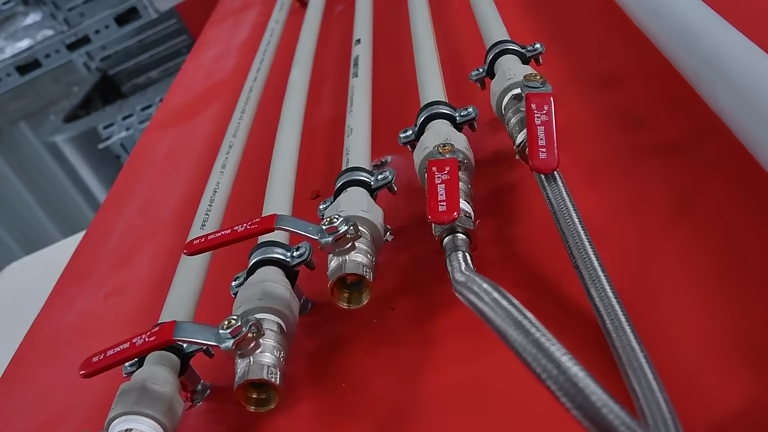
Introduction: Dependable Control with the 3/4 in Brass Ball Valve
When it comes to controlling fluid flow efficiently and reliably, the 3/4 in brass ball valve stands out as a top choice. Known for its durability, corrosion resistance, and ease of operation, this valve type provides a simple yet effective solution for a variety of plumbing and industrial applications. Its compact size coupled with robust brass construction ensures long-lasting performance even under demanding conditions. This article will explore the key characteristics, common uses, selection tips, and advantages of the 3/4 inch brass ball valve, demonstrating why it remains a trusted component in fluid management systems.
Frequently Asked Questions (FAQ)
1. What is a 3/4 in brass ball valve used for?
It controls the flow of liquids or gases in plumbing, heating, and industrial pipelines with a simple quarter-turn mechanism.
2. How does a brass ball valve work?
A hollow, perforated ball inside the valve rotates 90 degrees to open or close the flow passage.
3. Is brass suitable for all types of fluids?
Brass is corrosion-resistant and safe for water, oil, and many gases but should be verified for aggressive chemicals.
4. What are the advantages of a 3/4 inch size?
The 3/4 inch size balances flow capacity and compactness, making it ideal for residential and light commercial systems.
5. How do I maintain a brass ball valve?
Regular operation to prevent sticking, inspection for leaks, and cleaning can prolong its lifespan.
What Is a 3/4 in Brass Ball Valve? Definition and Features
The 3/4 in brass ball valve is a quarter-turn valve featuring a ball with a drilled hole that aligns with the flow path when open and blocks it when closed. The valve body is made from brass, an alloy primarily of copper and zinc, known for its excellent mechanical properties and corrosion resistance.
Key Features of 3/4 in Brass Ball Valves
- Size: 3/4 inch refers to the internal diameter of the valve’s port, compatible with standard piping.
- Material Strength: Brass construction offers robust durability and resistance to wear.
- Simple Operation: The lever handle enables quick open or close action with a 90-degree turn.
- Leak-Tight Seal: The spherical ball provides reliable shutoff, preventing leaks.
- Corrosion Resistance: Brass naturally withstands corrosion from water and many fluids.
- Temperature and Pressure Ratings: Suitable for a wide range of operating conditions, typically handling up to 200 PSI and temperatures up to 200°F or more depending on design.
- Versatility: Compatible with threaded or soldered connections, depending on the valve type.
This combination of features makes the 3/4 inch brass ball valve a durable, reliable option for many piping systems.
Common Uses and Applications
Due to its size and durability, the 3/4 in brass ball valve finds use in many environments:
Residential Plumbing
Home water supply lines, irrigation systems, and heating circuits use 3/4 inch brass ball valves for on/off control due to their ease of use and tight sealing.
Commercial and Light Industrial Systems
Restaurants, small manufacturing units, and HVAC systems use these valves for controlling fluids such as water, compressed air, and light oils.
Automotive and Machinery
These valves are often incorporated into fluid control in machinery or vehicles, especially for fuel or coolant lines that require durable components.
Gas Systems
Due to brass’s safety profile, 3/4 inch brass ball valves also serve in natural gas and propane lines, provided they meet relevant certifications.
Irrigation and Agricultural Applications
Their resistance to corrosion and ability to withstand outdoor environments make these valves ideal for irrigation systems.
These varied applications demonstrate the 3/4 inch brass ball valve’s flexibility and dependability.
Buying Guide: How to Select the Right 3/4 in Brass Ball Valve
To ensure you choose the best valve for your needs, consider these factors:
1. Material Quality
Check that the valve is made from high-grade brass, often labeled as C37700 or similar alloys, which ensure durability and corrosion resistance.
2. Connection Type
Determine if you need threaded (NPT, BSP) or soldered ends based on your piping system. Threaded valves offer easy installation and replacement, while soldered valves provide permanent joints.
3. Seal and Seat Material
Look for valves with PTFE (Teflon) seats for excellent sealing and chemical resistance, ensuring leak-tight operation.
4. Pressure and Temperature Ratings
Verify that the valve’s maximum pressure and temperature specifications meet or exceed your system requirements.
5. Handle Design and Operation
Ergonomic lever handles provide quick, easy operation. Some valves have locking options to secure open or closed positions.
6. Certifications and Compliance
Choose valves certified for potable water or gas applications (e.g., NSF, UL) if required by your project.
7. Manufacturer Reputation
Select valves from reputable manufacturers known for quality control and product reliability.
By carefully considering these points, you ensure your valve choice will deliver reliable, long-term performance.
Durability and Reliability: The Core Strength of 3/4 in Brass Ball Valves
The 3/4 in brass ball valve’s durability stems from both its material properties and design. Brass’s natural resistance to corrosion prevents rusting and material degradation common in other metals. This resistance ensures the valve maintains strength and sealing capability over years of exposure to water, air, and many chemicals.
Moreover, the ball valve’s simple mechanism limits wear points. The quarter-turn action reduces internal friction, while PTFE seats provide tight seals that resist wear and maintain leak-proof function. This design minimizes maintenance needs and keeps systems running smoothly.
Reliability also comes from brass’s ability to handle moderate pressures and temperatures, making the valve suitable for diverse applications. The valve’s compact size allows installation in tight spaces without sacrificing flow capacity.
Together, these qualities make the 3/4 inch brass ball valve a trusted component for applications demanding durable, leak-free control.
Comparison: 3/4 in Brass Ball Valve vs. Other Valve Materials
| Feature | 3/4 in Brass Ball Valve | PVC Ball Valve | Stainless Steel Ball Valve | Plastic Ball Valve |
|---|---|---|---|---|
| Material Durability | High | Moderate | Very High | Low to Moderate |
| Corrosion Resistance | Excellent | Good | Excellent | Moderate |
| Pressure Rating | Moderate to High | Low to Moderate | Very High | Low |
| Temperature Range | Moderate (up to ~200°F) | Low to Moderate | High | Low |
| Installation Ease | Moderate | Easy | Moderate | Easy |
| Cost | Moderate | Low | High | Low |
| Leak Resistance | Excellent | Good | Excellent | Moderate |
| Suitability for Gas | Yes | No | Yes | No |
This table shows that while stainless steel offers the highest durability and pressure tolerance, brass balances cost, durability, and ease of installation effectively, especially for residential and commercial uses. PVC and plastic valves are more cost-effective but lack brass’s longevity and reliability.
Conclusion: The Reliable Choice for Long-Term Fluid Control
The 3/4 in brass ball valve combines durable material with smart design to deliver reliable, leak-free fluid control across many applications. Its strong brass body resists corrosion and wear, while the simple quarter-turn mechanism enables quick, easy operation. Whether for household plumbing, commercial systems, or gas lines, this valve size offers an ideal balance of flow capacity and compactness.
By choosing high-quality brass ball valves and following proper installation and maintenance guidelines, users ensure efficient system performance and long-term savings. The 3/4 inch brass ball valve remains a durable and reliable component that consistently meets the demands of modern piping systems.
Contact IFAN for Catalogs and Samples
Need technical documents, catalogs, or sample products? Reach out to IFAN today.
📧 Email: [email protected]
📱 Whatsapp: +86 19857948982
Our team responds quickly and provides professional support for all your pipeline needs.
IFAN international standard
IFAN piping systems comply with a wide range of international standards to ensure high quality and performance. These include ASTM F1974 and ASTM F1281 for multilayer piping systems, CSA B137 for Canadian plumbing applications, DIN 16836 for German technical specifications, GB18997 for Chinese standards, and ISO 21003, which covers multilayer piping systems used for hot and cold water installations. This broad certification scope highlights IFAN’s commitment to global compliance and product reliability.























