


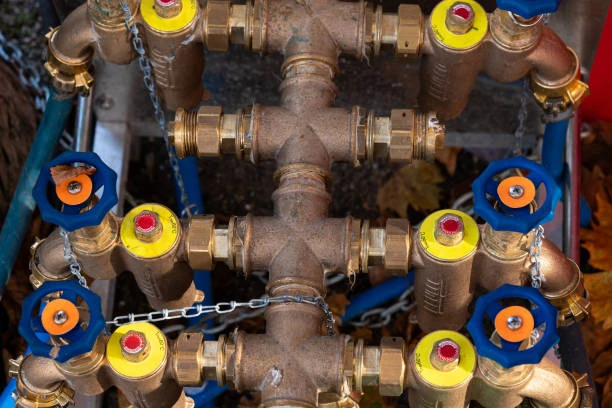
Introduction: Why Strength Matters in Plumbing Systems
The foundation of any reliable plumbing system lies in the strength and quality of its components. Among these, copper plumbing fittings stand out for their unmatched strength and durability. Their robust design and material properties make them ideal for withstanding high pressures, temperature fluctuations, and corrosive environments. Whether in residential, commercial, or industrial settings, copper fittings provide dependable performance that ensures system integrity and longevity. This article delves into the core strengths of copper fittings, their features, applications, buying tips, and how they compare to alternative materials.
Frequently Asked Questions (FAQ)
1. What makes copper plumbing fittings strong?
Copper’s natural metal strength combined with precise manufacturing results in fittings that resist pressure and damage effectively.
2. Are copper fittings suitable for high-pressure systems?
Yes. Copper fittings are rated to handle high-pressure water and gas systems reliably.
3. Can copper fittings withstand extreme temperatures?
Absolutely. Copper remains stable and functional in both very hot and cold environments.
4. How long do copper plumbing fittings typically last?
With proper installation and maintenance, copper fittings can last more than .
5. Are copper fittings compatible with other pipe materials?
Yes, using appropriate transition fittings, copper can connect to PEX, PVC, or steel pipes without leaks.
What Are Copper Plumbing Fittings? Basic Definition and Features
Copper plumbing fittings are hardware components used to join sections of copper piping in plumbing systems. They allow for changes in direction, pipe diameter, or the termination of lines. These fittings come in several common shapes such as elbows, tees, couplings, reducers, and caps.
Key Features of Copper Plumbing Fittings
- Material Strength: Copper has excellent tensile and compressive strength, resisting cracking and deformation.
- Corrosion Resistance: Copper naturally develops a protective oxide layer that prevents rust and chemical attack.
- Thermal Stability: Copper maintains shape and function under extreme temperature variations.
- Leak Resistance: Precision manufacturing ensures tight joints and secure connections.
- Fire Resistance: Copper does not burn, melt, or emit harmful gases in fires.
- Non-Toxicity: Copper is safe for potable water and does not contaminate fluids.
These features make copper plumbing fittings highly durable and reliable components in any piping system.
Common Uses and Industry Applications
Copper fittings find use in a wide array of sectors due to their strength and versatility.
Residential Plumbing
In homes, copper fittings are widely used for water supply lines, hot water heaters, and gas piping because of their durability and safety.
Commercial Construction
Office buildings, hotels, hospitals, and schools rely on copper for dependable plumbing that withstands heavy usage and meets strict safety codes.
Industrial Facilities
Factories and plants use copper fittings for high-pressure fluid transport, heating systems, and process piping where strong materials prevent failures.
HVAC Systems
Copper fittings perform well in heating, ventilation, and air conditioning systems due to their ability to withstand temperature extremes and maintain tight seals.
Fire Protection Systems
Due to fire-resistant properties, copper fittings are ideal for sprinkler systems and emergency water supply lines.
Across these industries, copper plumbing fittings provide critical strength and longevity to support safe, efficient operation.
Buying Guide: Selecting Strong and Reliable Copper Plumbing Fittings
When purchasing copper fittings, focus on quality and suitability to maximize strength and durability.
1. Choose the Right Copper Grade
- Type K: Thickest walls, ideal for underground or heavy-duty applications.
- Type L: Medium thickness, standard for most residential and commercial plumbing.
- Type M: Thinner walls, suitable for low-pressure interior plumbing.
2. Select Appropriate Fitting Types
Match fitting type to system requirements:
- Elbows for direction changes.
- Tees for branching pipelines.
- Couplings to join straight sections.
- Reducers to connect different pipe sizes.
- Caps and plugs for sealing ends.
3. Connection Style Matters
- Solder fittings: Traditional, permanent seals using heat and solder.
- Press fittings: Use pressing tools for fast, reliable joints without solder.
- Compression fittings: Useful for repair or temporary setups, though less permanent.
4. Check for Certifications and Standards
Look for compliance with:
- NSF/ANSI 61 for drinking water safety.
- ASTM B88 copper tubing standards.
- Regional plumbing codes (UPC, CSA, ISO).
5. Inspect Quality
Ensure fittings have smooth, defect-free surfaces, consistent wall thickness, and proper manufacturer markings.
Following these steps ensures strong, leak-proof, and long-lasting connections.
The Strength of Copper Plumbing Fittings: Detailed Insights
The title highlights copper’s superior strength, which can be attributed to several key factors.
Mechanical Strength and Durability
Copper’s atomic structure gives it excellent tensile strength, allowing fittings to endure internal water pressure and external mechanical stresses without deformation or failure.
Corrosion Resistance Prolongs Lifespan
Unlike steel or iron, copper forms a protective oxide layer that guards against rust and chemical damage. This means fittings maintain structural integrity and strength over time.
Thermal Expansion Compatibility
Copper expands and contracts with temperature changes at a rate that matches copper pipes, preventing joint loosening or leaks common with dissimilar materials.
Fire Safety Advantages
Copper’s high melting point and non-flammability add a layer of safety in building plumbing, especially in critical areas prone to fire hazards.
Maintenance and Reliability
Copper fittings rarely need replacement due to wear or leaks, reducing downtime and repair costs in plumbing systems.
All these aspects reinforce why copper plumbing fittings provide strength that lasts decades.
Comparison: Copper Fittings vs. Other Plumbing Materials
| Feature | Copper Fittings | PEX Fittings | PVC Fittings | Galvanized Steel |
|---|---|---|---|---|
| Tensile Strength | Very High | Moderate | Low | High |
| Corrosion Resistance | Excellent | Good | Poor | Moderate |
| Thermal Stability | Excellent | Moderate | Low | Moderate |
| Leak Resistance | Excellent | High | Moderate | High |
| Fire Resistance | Excellent | Poor | Poor | Moderate |
| Longevity | 50+ years | 25–40 years | 20– | 30– |
| Installation Skill | Moderate | Easy | Easy | Difficult |
| Environmental Impact | Low (recyclable) | Moderate | High | Moderate |
| Initial Cost | Higher | Moderate | Lower | Moderate |
Copper fittings consistently outperform in strength, corrosion resistance, and fire safety, making them ideal where durability and reliability are paramount.
Conclusion: Strength That Ensures Long-Term Plumbing Success
The strength of copper plumbing fittings makes them a cornerstone of dependable plumbing systems worldwide. Their exceptional mechanical resilience, corrosion resistance, and thermal stability allow copper fittings to maintain leak-proof, secure connections under challenging conditions.
Whether for residential, commercial, or industrial plumbing, investing in high-quality copper fittings translates to fewer repairs, longer service life, and improved safety. With the right selection and installation, copper plumbing fittings will keep your system strong and operational for decades.
Choosing copper means choosing proven strength—an essential factor for anyone seeking plumbing components that deliver reliable performance today and in the future.
Contact IFAN for Catalogs and Samples
Need technical documents, catalogs, or sample products? Reach out to IFAN today.
📧 Email: [email protected]
📱 Whatsapp: +86 19857948982
Our team responds quickly and provides professional support for all your pipeline needs.
IFAN international standard
IFAN piping systems comply with a wide range of international standards to ensure high quality and performance. These include ASTM F1974 and ASTM F1281 for multilayer piping systems, CSA B137 for Canadian plumbing applications, DIN 16836 for German technical specifications, GB18997 for Chinese standards, and ISO 21003, which covers multilayer piping systems used for hot and cold water installations. This broad certification scope highlights IFAN’s commitment to global compliance and product reliability.























