


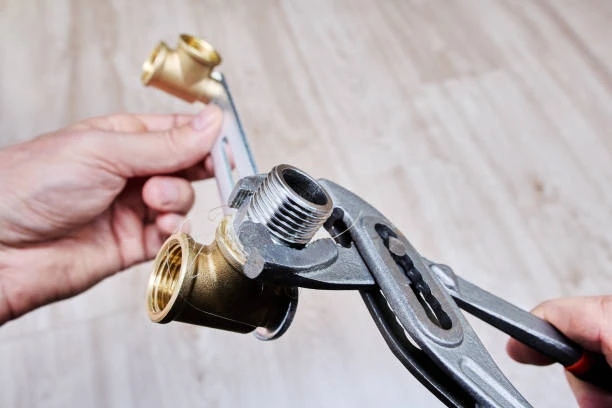
Introduction: A Trusted Solution for Tight and Secure Plumbing
In every plumbing system, reliability and leak prevention are top priorities. Any small leak can cause water damage, mold growth, or system inefficiencies. That’s why the quality of plumbing components—especially fittings—matters greatly. Among the many available options, copper plumbing fittings have earned a solid reputation for delivering leak-free performance. Their precise engineering, excellent material properties, and long-term durability make them ideal for both new construction and plumbing upgrades. This article explores the fundamentals of copper fittings, their main uses, how to choose the right ones, and why they stand out for leak-proof installations.
Frequently Asked Questions (FAQ)
1. What makes copper fittings leak-resistant?
Copper fittings are precisely machined and joined using soldering or press-fitting, which creates strong, sealed connections.
2. Can copper plumbing fittings be used for both hot and cold water?
Yes. Copper handles a wide temperature range and is commonly used in both hot and cold water systems.
3. Do copper fittings work with PEX or PVC pipes?
Yes, but proper transition fittings must be used to ensure compatibility and prevent leaks.
4. How long do copper plumbing fittings last?
With proper installation, copper fittings can last more than without corrosion or leaks.
5. Are copper fittings suitable for DIY plumbing projects?
They can be, but using them requires skill in soldering or access to pressing tools for a reliable seal.
What Are Copper Plumbing Fittings and Their Key Features?
Copper plumbing fittings are essential components used to connect, redirect, reduce, or terminate copper pipes in fluid systems. They are made from high-quality copper and come in several types, including:
- Elbows: Change direction, typically at 45° or 90° angles
- Tees: Split or combine flow in three directions
- Couplings: Join two straight pipe segments
- Reducers: Connect pipes of different sizes
- Caps: Seal pipe ends securely
Key features that define copper fittings include:
- High precision: Ensures tight, secure joints
- Corrosion resistance: Resists rust and chemical wear over time
- Thermal tolerance: Performs well under heat and cold
- Non-toxic: Safe for potable water
- Fire-resistant: Will not burn or release harmful gases
- Recyclable: Eco-friendly and sustainable
These attributes make copper fittings highly dependable in demanding environments, ensuring long-lasting, leak-free operation.
Common Applications and Industries
Thanks to their robust performance and leak-proof design, copper fittings are widely used in a variety of applications and industries. Some of the most common include:
Residential Plumbing
Copper fittings are used to build reliable water supply systems in homes. Whether for kitchens, bathrooms, or outdoor hose bibs, they maintain pressure and prevent leaks for decades.
Commercial Buildings
Large structures such as hotels, hospitals, and office complexes depend on copper for consistent water flow, hygienic performance, and leak protection.
Industrial Facilities
In manufacturing plants, copper fittings are trusted for high-pressure water or fluid distribution systems, including those that require frequent temperature changes.
Heating Systems
Copper fittings are ideal for hot water heating, radiant floor systems, and boiler setups where pressure and temperature fluctuations are common.
Fire Protection Systems
Copper’s fire resistance and reliability make it suitable for sprinkler systems, especially where consistent water delivery is critical.
In all these settings, leak-free performance is not optional—it is essential, and copper delivers.
Buying Guide: How to Select the Right Copper Plumbing Fittings
Selecting the right fittings ensures long-term success and minimizes the risk of leakage. When choosing copper plumbing fittings, consider the following:
1. Application-Specific Copper Type
- Type K: Thickest wall, recommended for underground or heavy-duty use
- Type L: Medium thickness, standard for residential and commercial systems
- Type M: Thinner wall, best for indoor low-pressure systems
2. Connection Type
- Soldered (sweat): Traditional method using heat and solder for sealed joints
- Press-fit: Tool-based installation for quick, consistent sealing without heat
- Push-fit: No soldering or tools required, ideal for tight or urgent repairs
3. Fitting Shape
- Choose elbows for changes in direction
- Use tees to branch pipes
- Install reducers when transitioning between pipe sizes
- Apply caps for sealing dead ends
4. Standards and Certifications
Always look for products certified by recognized standards, such as:
- NSF/ANSI 61 for drinking water safety
- ASTM B88 compliance for copper tubing
- UPC, CSA, or ISO markings for international quality assurance
5. Visual and Structural Quality
Ensure the fitting has:
- Smooth surfaces
- Consistent wall thickness
- No visible dents or manufacturing defects
- Proper markings and sizing
By following these criteria, you can ensure a leak-free connection and reliable system performance.
Leak-Free Connections: Why Copper Fittings Excel
As the article’s title suggests, copper plumbing fittings are known for their unmatched sealing performance. Here’s how they provide leak-free reliability in real-world conditions.
Precision Manufacturing
Copper fittings are engineered to tight tolerances, meaning they fit snugly with pipes and minimize gaps that could cause leaks. This precision ensures consistent results across installations.
Strong, Sealed Joints
When installed using soldering or press methods, copper fittings form a bonded joint that resists pressure and mechanical stress. Soldered connections fill any micro-gaps, while press fittings compress evenly around the pipe.
Resistance to Expansion and Contraction
Unlike plastic fittings that can loosen over time due to thermal expansion, copper maintains its shape and tightness across temperature changes.
Stability Under Pressure
Copper handles high-pressure systems without deforming. This ensures that joints remain intact, even under demanding conditions.
Long-Term Integrity
Copper fittings don’t degrade, rot, or crack over time. Their corrosion resistance keeps the joint stable and leak-free for decades, reducing the need for ongoing maintenance.
Together, these qualities make copper fittings the ideal choice when leak prevention is non-negotiable.
Comparison: Copper vs. Other Pipe Fitting Materials
To highlight the performance of copper fittings, let’s compare them with other popular options:
| Feature | Copper Fittings | PEX Fittings | PVC Fittings | Galvanized Steel |
|---|---|---|---|---|
| Leak Resistance | Excellent | Good | Moderate | Good |
| Durability | 50+ years | 25–40 years | 20– | 30– |
| Pressure Resistance | High | Moderate | Low to Moderate | Moderate |
| Temperature Range | Very wide | Moderate | Limited | Moderate |
| Corrosion Resistance | Excellent | Good | Poor in sunlight | Low |
| Installation Difficulty | Moderate | Easy | Easy | Difficult |
| Fire Resistance | Excellent | Poor | Very poor | Moderate |
| Recyclability | 100% | Limited | Limited | Moderate |
| Initial Cost | Higher | Moderate | Low | Moderate |
From this comparison, copper stands out for its leak resistance, pressure performance, and longevity. Although it may cost more upfront, it provides long-term savings and reliability.
Conclusion: Choose Copper for Confidence
Copper plumbing fittings have proven to be a smart and secure solution for leak-free systems. Their strength, resistance to corrosion and fire, and long-term durability make them ideal for a wide range of plumbing applications. Whether used in a single-family home, a commercial complex, or an industrial facility, copper fittings consistently deliver tight, reliable joints that stand the test of time.
Choosing the right type of copper, understanding the proper installation method, and verifying product quality ensures optimal results. While the installation process may require more skill or tools than some alternatives, the benefits—especially leak prevention—are well worth it.
In the end, if your priority is building a plumbing system that performs reliably for decades without leaks or constant maintenance, copper fittings remain the top choice. Their proven track record and unmatched performance offer confidence in every connection.
Contact IFAN for Catalogs and Samples
Need technical documents, catalogs, or sample products? Reach out to IFAN today.
📧 Email: [email protected]
📱 Whatsapp: +86 19857948982
Our team responds quickly and provides professional support for all your pipeline needs.
IFAN international standard
IFAN piping systems comply with a wide range of international standards to ensure high quality and performance. These include ASTM F1974 and ASTM F1281 for multilayer piping systems, CSA B137 for Canadian plumbing applications, DIN 16836 for German technical specifications, GB18997 for Chinese standards, and ISO 21003, which covers multilayer piping systems used for hot and cold water installations. This broad certification scope highlights IFAN’s commitment to global compliance and product reliability.























