


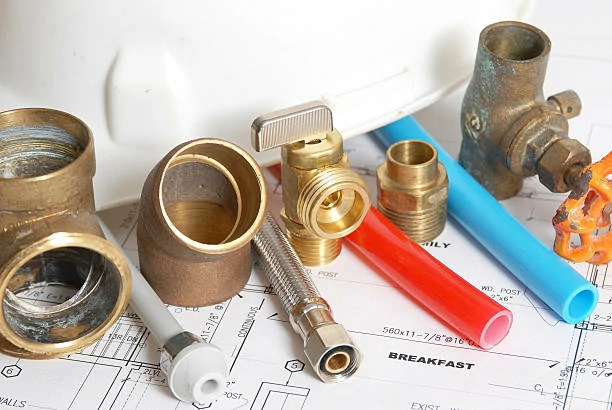
Brass compression fittings have become a reliable solution for connecting pipes and tubing in plumbing, gas, and HVAC systems. These fittings offer strong sealing capabilities, long-lasting durability, and simple installation without the need for heat or soldering. Whether in residential or industrial applications, brass compression fittings provide safe and effective pipe connections. This article will explore their definition, characteristics, uses, installation tips, and comparisons with other types of fittings.
Frequently Asked Questions (FAQ)
Q1: What are brass compression fittings used for?
A: They are mainly used to connect pipes or tubing in plumbing, gas, and heating systems without soldering.
Q2: Are brass compression fittings suitable for all types of pipes?
A: They are compatible with copper, PEX, and plastic tubing, but not typically used with steel.
Q3: Can brass compression fittings be reused?
A: Yes, they can be reused, although the ferrule may need to be replaced to ensure proper sealing.
Q4: Do brass compression fittings leak over time?
A: If properly installed, they remain leak-free for years. However, overtightening can damage the fitting.
Q5: Are tools required for installation?
A: Only basic hand tools like wrenches are needed. No soldering or glue is required.
What Are Brass Compression Fittings and Their Features?
Brass compression fittings are mechanical connectors used to join two pieces of pipe or tubing. They consist of three main components: a compression nut, a compression ring (also called a ferrule), and the fitting body. When tightened, the nut compresses the ring around the pipe, creating a tight and secure seal.
Key Features:
- Material: Made from corrosion-resistant brass, suitable for potable water and gas lines.
- Design: Straightforward three-piece design allows easy disassembly and reassembly.
- Size Range: Available in a wide range of diameters and configurations.
- Pressure Rating: Suitable for both low and high-pressure applications.
- Temperature Resistance: Brass performs well under varying temperature conditions, making it ideal for both hot and cold water systems.
These fittings are known for their ease of use, and because they don’t require heat or chemicals, they are ideal for use in tight or enclosed areas.
Common Applications and Industries
Brass compression fittings are used across various industries thanks to their adaptability and reliability. They are especially favored in settings where maintenance access and flexibility are critical.
Residential Plumbing
In homes, they are often used to connect faucets, toilets, water heaters, and supply lines. Their ease of installation makes them a popular choice for DIY repairs.
Gas Distribution
Due to their tight sealing properties, these fittings are trusted in natural gas and propane systems, although local codes may require additional approval.
HVAC Systems
Brass compression fittings are used in heating, ventilation, and air conditioning systems to join refrigerant and water pipes.
Industrial and Commercial Use
Industries such as manufacturing, chemical processing, and food production use these fittings to manage liquid or gas flow.
Agricultural Irrigation
Brass is durable and corrosion-resistant, which is essential in outdoor and underground irrigation systems.
Buying Guide: What to Look for
When choosing brass compression fittings, it’s important to consider several factors to ensure optimal performance and compatibility with your system.
1. Material Quality
Ensure the brass is of high purity, lead-free if used for potable water, and complies with safety regulations such as NSF or ANSI standards.
2. Thread Type
Check whether you need metric or imperial threads. Mismatched threads can cause leaks or installation failure.
3. Color and Finish
Some fittings come with polished or nickel-plated finishes for aesthetics and added corrosion resistance. Choose based on your needs.
4. Pipe Compatibility
Make sure the fitting size and type match the pipe material—whether it’s copper, PEX, or plastic.
5. Certifications
For plumbing or gas systems, always look for fittings certified by recognized standards, such as ASTM, CSA, or ISO.
6. Pressure and Temperature Ratings
Different fittings have different tolerances. Choose fittings that meet or exceed the pressure and temperature conditions of your system.
Installation Tips for Brass Compression Fittings
Installing brass compression fittings is simple, but it requires careful attention to detail to ensure a proper seal.
Step-by-Step Tips:
- Cut the Pipe Cleanly
Use a pipe cutter to ensure a clean, straight edge without burrs. This improves sealing performance. - Slide On the Nut and Ferrule
First, slide the compression nut onto the pipe, followed by the ferrule. Ensure they are facing the correct direction. - Insert the Pipe into the Fitting Body
Push the pipe all the way into the fitting body until it reaches the internal stop. - Tighten by Hand First
Thread the nut onto the fitting body and hand-tighten. - Use a Wrench for Final Tightening
Use one wrench to hold the fitting body and another to tighten the nut 1/2 to 1 full turn. Avoid overtightening to prevent damage. - Test for Leaks
Pressurize the system and check for leaks. If necessary, tighten slightly more but never force it.
Properly installed brass compression fittings can last for decades without maintenance.
Brass Compression Fittings vs. Other Types
Let’s compare brass compression fittings with other common types to understand their advantages:
| Fitting Type | Sealing Method | Tools Needed | Installation Difficulty | Durability | Best Use Case |
|---|---|---|---|---|---|
| Brass Compression | Mechanical Ferrule | Wrench | Easy | Very High | Plumbing, gas, HVAC |
| Soldered Copper Fittings | Heat + solder | Torch, solder kit | Medium | High | Permanent copper connections |
| Push-Fit Fittings | Internal O-ring | None | Very Easy | Moderate to High | DIY, fast repairs |
| Threaded Fittings | Thread sealant | Wrench, seal tape | Easy to Medium | High | Metal systems, gas lines |
| Plastic (PVC/PEX) Fittings | Compression or glue | Pliers or glue | Easy | Moderate | Low-pressure systems |
As the table shows, brass compression fittings strike a balance between ease of use and long-term performance, making them a go-to choice in many professional applications.
Conclusion
Brass compression fittings are a time-tested solution for connecting pipes and tubing across a wide range of systems. Their ease of installation, high durability, and leak-proof performance make them a preferred choice for both professionals and homeowners. Whether used in water supply, gas lines, or HVAC systems, these fittings deliver consistent, long-lasting results. When selected carefully and installed correctly, they offer excellent value and peace of mind.
For plumbing projects that demand reliability without the hassle of soldering or special tools, brass compression fittings are a dependable and efficient choice.
Contact IFAN for Catalogs and Samples
Need technical documents, catalogs, or sample products? Reach out to IFAN today.
📧 Email: [email protected]
📱 Whatsapp: +86 19857948982
Our team responds quickly and provides professional support for all your pipeline needs.
IFAN international standard
IFAN piping systems comply with a wide range of international standards to ensure high quality and performance. These include ASTM F1974 and ASTM F1281 for multilayer piping systems, CSA B137 for Canadian plumbing applications, DIN 16836 for German technical specifications, GB18997 for Chinese standards, and ISO 21003, which covers multilayer piping systems used for hot and cold water installations. This broad certification scope highlights IFAN’s commitment to global compliance and product reliability.























