


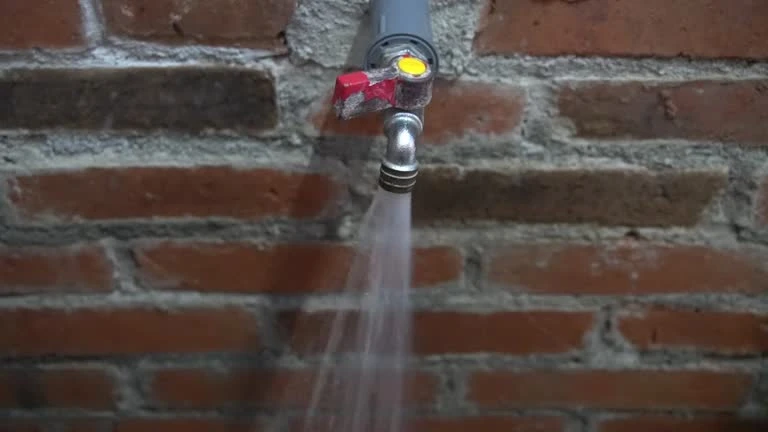
In water systems where control, durability, and efficiency matter, copper globe valves provide a reliable solution. These valves play a vital role in regulating flow and pressure, making them essential components in both residential and commercial plumbing installations. Thanks to their corrosion resistance, precise operation, and long service life, they have become a preferred choice for professionals across various industries. This article explores the definition, features, applications, buying considerations, installation tips, comparisons, and more to help you understand why copper globe valves are so effective for water systems.
Frequently Asked Questions (FAQ)
Q1: What is a copper globe valve used for?
Copper globe valves are used to regulate, start, and stop water flow within a piping system.
Q2: Are copper globe valves suitable for hot and cold water lines?
Yes. Their thermal resistance makes them ideal for both hot and cold water applications.
Q3: How do globe valves differ from ball valves?
Globe valves allow for fine flow regulation, while ball valves offer simple on/off functionality without control over flow rate.
Q4: Can copper globe valves be used in drinking water systems?
Absolutely. Lead-free models with certifications are widely used in potable water systems.
Q5: Are copper globe valves easy to install and maintain?
Yes. With proper tools and basic knowledge, installation is straightforward, and maintenance is minimal.
Definition and Key Features of Copper Globe Valves
Copper globe valves are linear-motion valves designed to control the flow of water by moving a plug or disc against a stationary seat. The globe-shaped body, combined with a rotating handwheel, allows for precise modulation of flow. Unlike on/off valves that offer no control over volume, globe valves are ideal for applications where accuracy is crucial.
Key Characteristics
1. Accurate Flow Control:
Copper globe valves excel in applications where regulating flow is necessary. The internal design permits gradual opening and closing, minimizing pressure fluctuations.
2. High Corrosion Resistance:
Because copper naturally resists rust and mineral buildup, these valves last longer than many other materials in water environments.
3. Thermal Durability:
Copper withstands high temperatures, which makes it a suitable material for hot water lines and heating systems.
4. Long Lifespan:
These valves typically operate smoothly for years with little wear, especially when installed and used properly.
5. Compatibility with Water Systems:
Copper globe valves connect easily to copper piping and comply with many plumbing codes, especially in residential and commercial applications.
Due to these attributes, copper globe valves deliver dependable performance in many types of water systems.
Common Uses and Industries
Copper globe valves are used in various settings where water control is essential. Because of their versatility and reliability, these valves support critical functions in both small-scale and large-scale systems.
Residential Plumbing
In homes, copper globe valves appear in:
- Water heater inlet and outlet lines
- Shower or sink installations requiring precise flow control
- Central heating systems
- Garden hose bibs or irrigation valves
Their ability to regulate flow makes them ideal for situations where water needs to be slowed or partially blocked without full shutoff.
Commercial and Institutional Buildings
Copper globe valves are common in:
- Schools
- Hospitals
- Hotels
- Office buildings
These locations often use them in HVAC systems, boiler rooms, and water distribution networks to manage consistent flow and reduce stress on downstream fixtures.
Industrial Facilities
In factories and plants, copper globe valves support:
- Steam or condensate systems
- Water purification units
- Fluid processing systems
- Equipment cooling loops
Because industries often demand reliability and accuracy, they meet the operational and safety standards required in many sectors.
Buying Guide: How to Choose the Right Copper Globe Valve
Not all copper globe valves offer the same quality or performance. Therefore, it’s important to consider several key factors before purchasing.
1. Material Composition
Ensure the valve is made from high-grade copper or copper alloys, such as brass or bronze. For drinking water systems, always select lead-free options certified as safe for human consumption.
2. Valve Size and Pattern
Choose the correct valve size that matches your pipe diameter. Common sizes range from 1/2 inch to 2 inches for water systems. Also, consider the valve pattern:
- Straight pattern: Allows linear flow
- Angle pattern: Turns the flow 90 degrees
- Y-pattern: Reduces pressure drop and is suitable for higher flow rates
Each pattern fits specific installation spaces and performance needs.
3. Certifications and Standards
Look for valves certified by organizations like NSF, ANSI, or ISO. These approvals ensure safety, performance, and compliance with plumbing codes.
4. Handle Type and Ease of Use
Select valves with comfortable handwheels or levers, especially for valves installed in tight or hard-to-reach spaces. Some handles offer color coding for easy identification (e.g., red for hot, blue for cold).
5. Pressure and Temperature Ratings
Always check the maximum operating pressure and temperature. They typically handle pressures up to 200 PSI and temperatures up to 200°C, which is suitable for most water systems.
6. Trusted Manufacturer
Choose valves from reputable brands with strong warranties and good reviews. Investing in quality ensures long-term reliability and safety.
By considering these factors, you can confidently select a copper globe valve that meets your water system’s exact requirements.
Installation Tips and Best Practices
Proper installation ensures the performance and longevity of any valve. When installing copper globe valves, always follow these best practices.
1. Check Flow Direction
Most copper globe valves feature a directional arrow on the body. Install the valve so that the water flows in the correct direction for optimal regulation.
2. Prepare Pipe Ends Properly
Cut the copper pipe cleanly and remove burrs. Use emery cloth or a brush to clean the surface before soldering or connecting.
3. Use Appropriate Soldering Techniques
For soldered joints, apply flux and use lead-free solder to create a secure bond. Heat the joint evenly to avoid weak connections or leaks.
4. Avoid Over-Tightening
When installing threaded valves, do not overtighten. Use Teflon tape or pipe joint compound to ensure a leak-free seal without damaging the threads.
5. Test After Installation
Once installed, open and close the valve several times to ensure smooth operation. Conduct a pressure test to detect leaks or weaknesses in the connection.
6. Schedule Maintenance Checks
Although they require little maintenance, periodic inspection helps ensure continued performance. Check for leaks, corrosion, and smooth handle operation.
Following these steps will help maintain the valve’s performance and prevent system failures over time.
Copper Globe Valves vs. Other Valve Materials
To better understand the value of copper globe valves, it helps to compare them with other common valve materials like PVC, stainless steel, and cast iron.
| Feature | Copper Globe Valves | PVC Valves | Stainless Steel Valves | Cast Iron Valves |
|---|---|---|---|---|
| Corrosion Resistance | High | Moderate (chemically sensitive) | Very High | Moderate |
| Heat Resistance | High | Low | Very High | High |
| Weight | Light | Very Light | Heavy | Very Heavy |
| Ease of Installation | Easy | Very Easy | Moderate | Difficult |
| Flow Control Accuracy | Excellent | Limited | Good | Moderate |
| Longevity | Long | Moderate | Very Long | Long |
| Typical Applications | Residential, Commercial, Light Industry | Residential only | Industrial, Chemical | Heavy-Duty Systems |
| Cost | Moderate | Low | High | Moderate |
As seen above, copper globe valves offer a balanced blend of performance, durability, and cost-efficiency. They outperform PVC valves in heat and flow control, and weigh less than stainless steel or cast iron, making them ideal for most water systems.
Conclusion
Copper globe valves serve as a smart and efficient choice for regulating flow in modern water systems. Thanks to their excellent control, high resistance to corrosion and heat, and easy integration into copper piping, these valves provide long-term reliability across homes, buildings, and industrial applications.
Moreover, with careful selection and proper installation, users can enjoy hassle-free operation and reduced maintenance costs. Compared to other materials, copper globe valves strike a practical balance between affordability and advanced performance.
Whether you’re designing a new plumbing layout or upgrading an existing system, copper globe valves offer a dependable solution that supports efficient water management for years to come.
Contact IFAN for Catalogs and Samples
Need technical documents, catalogs, or sample products? Reach out to IFAN today.
📧 Email: [email protected]
📱 Whatsapp: +86 19857948982
Our team responds quickly and provides professional support for all your pipeline needs.
IFAN international standard
IFAN’s HDPE compression fittings and pipes comply with a wide range of international standards, ensuring high performance and global compatibility. These include ASTM D3035 and ASTM D3350 from the United States, ISO 4427 series and EN 12201 series from Europe, DIN 8074/8075 from Germany, GB/T 13663 series from China, AS/NZS 4130 from Australia and New Zealand, JIS K6760 from Japan, BS 6572 from the United Kingdom, and CSA B137.1 from Canada. Adherence to these standards guarantees excellent mechanical properties, chemical resistance, and long-term durability across diverse water supply and industrial applications.























