


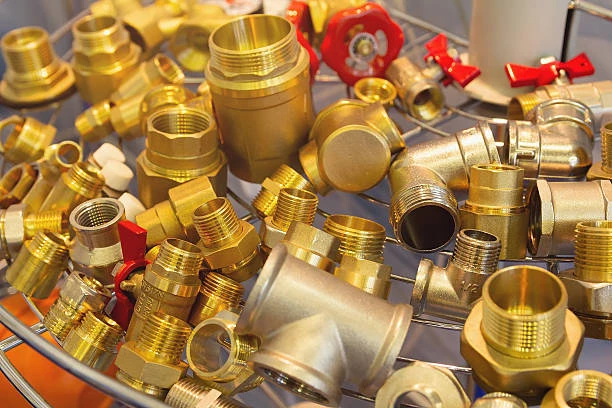
Copper globe valves ensure smooth and efficient fluid control in a wide variety of systems. Many plumbers, engineers, and contractors rely on them because of their precision, reliability, and resistance to wear. Unlike other valves, copper globe valves allow for accurate regulation of flow without sacrificing durability. This article will guide you through their features, uses, buying considerations, installation practices, and comparisons with other materials, helping you make the most informed decision possible.
Frequently Asked Questions (FAQ)
Q1: Why do many professionals choose copper globe valves?
Many choose them because they offer excellent flow control, last a long time, and resist corrosion effectively.
Q2: Can these valves handle high temperatures?
Yes, copper globe valves perform well in hot water and steam systems thanks to copper’s heat resistance.
Q3: Do they work well in gas applications?
Absolutely. Installers often use them in gas lines when precision flow regulation is necessary.
Q4: How often should I check copper globe valves for issues?
Regular inspections every few months help maintain optimal performance and avoid unexpected problems.
Q5: Are copper globe valves more efficient than ball valves?
Yes, when it comes to flow regulation, they allow for finer control than typical ball valves.
Definition and Key Characteristics
Copper globe valves serve as mechanical devices that regulate fluid flow by moving a disc against or away from the valve seat. The unique globe-shaped chamber, combined with a vertically-moving stem and handle, enables users to control the volume of liquid or gas flowing through the pipe.
Notable Features
First of all, they provide excellent throttling capabilities. This makes them ideal for applications that require precise flow adjustment rather than just on/off control.
Secondly, they last a long time. Because copper naturally resists corrosion, scale buildup, and mineral deposits, these valves maintain smooth operation year after year.
Thirdly, they adapt to many systems. Installers can use them in both residential and industrial settings without changing the valve design.
In addition, their maintenance requires minimal effort. Users simply inspect the seals, check for leaks, and operate the handle periodically to ensure everything runs smoothly.
Therefore, anyone looking for a precise, durable, and easy-to-maintain valve can confidently choose copper globe valves.
Common Uses and Application Industries
Professionals across various fields rely on copper globe valves for dependable flow control. Let’s explore where and why these valves perform so well.
In Homes
Homeowners often install copper globe valves in:
- Sink and faucet water lines
- Water heater connections
- Heating system loops
- Outdoor garden irrigation
Because these valves allow precise adjustments, they suit situations where flow needs to be reduced gradually rather than stopped suddenly.
In Commercial Buildings
Copper globe valves regulate water and HVAC systems in:
- Hospitals
- Office buildings
- Schools
- Hotels
In such environments, maintenance teams appreciate how easily they can access and adjust these valves.
In Industrial Systems
Many industries rely on copper globe valves for fluid handling in:
- Steam lines
- Boiler rooms
- Cooling towers
- Chemical process systems
- Pharmaceutical and beverage production
Since copper tolerates a broad temperature range and resists chemical attack, these valves continue to operate reliably even under tough conditions.
Therefore, across residential, commercial, and industrial settings, copper globe valves provide an ideal solution for flow control.
Buying Guide: Choosing the Right Copper Globe Valve
Not all copper globe valves perform equally. You need to look beyond the surface to find one that fits your system’s exact needs. Let’s break down what to consider during your selection process.
1. Material Grade
Choose valves made from high-purity copper or certified copper alloys such as brass or bronze. If you plan to install the valve in a drinking water system, make sure the manufacturer offers a lead-free version that meets NSF or ANSI standards.
2. Valve Size
Always match the valve size to the pipe diameter. Standard household applications typically use 1/2-inch or 3/4-inch valves, while commercial or industrial systems may need larger sizes.
3. Flow and Pressure Ratings
Read the flow coefficient (Cv value) and pressure rating on the product label. Select a valve that can handle your system’s expected flow and pressure conditions without risk of damage.
4. Temperature Resistance
Copper globe valves handle temperatures up to 200°C in most cases. Make sure the valve you choose aligns with the temperature requirements of your system.
5. Certification and Safety Markings
Look for certification labels. NSF, ISO, and ANSI approvals indicate that the valve meets industry standards for performance and safety.
6. Handle and Color Options
Though function matters most, handle design and color coding can help during maintenance or emergency shutoff. Some installers prefer red or blue handles to indicate hot or cold lines.
7. Manufacturer Reputation
Stick with brands known for quality. Well-known manufacturers typically provide better support, replacement parts, and warranties.
Installation Tips for Best Results
Even the highest-quality valve can fail if installed incorrectly. Therefore, follow these practices to ensure a smooth and reliable installation.
1. Confirm Flow Direction
Most copper globe valves have a directional arrow on the body. Always install the valve according to that arrow to avoid turbulence and flow restriction.
2. Prepare the Pipe Ends
Cut and clean the pipe ends thoroughly. Remove burrs, oxidation, and dirt before attaching the valve.
3. Apply Correct Sealing Methods
For threaded connections, wrap Teflon tape clockwise around the male threads. For soldered connections, use clean flux and a lead-free solder. Always heat the joint evenly to ensure proper bonding.
4. Test the System After Installation
Open and close the valve several times while running water or gas through the system. Check for leaks, smooth operation, and correct orientation.
5. Perform Routine Inspections
Check the valve regularly, especially in high-temperature or high-pressure systems. Early detection of wear or seal damage prevents more serious problems later.
Copper Globe Valves vs. Other Valve Types
You might wonder whether copper globe valves offer better performance than other types. Let’s compare them with valves made from stainless steel, PVC, and cast iron.
| Feature | Copper Globe Valves | Stainless Steel Valves | PVC Valves | Cast Iron Valves |
|---|---|---|---|---|
| Corrosion Resistance | Excellent | Excellent | Limited (chemical-based) | Moderate |
| Temperature Tolerance | High | Very High | Low | High |
| Weight | Light | Heavy | Very Light | Very Heavy |
| Ease of Installation | Easy | Moderate | Very Easy | Difficult |
| Cost | Moderate | High | Low | Moderate |
| Flow Control Precision | Excellent | Good | Fair | Moderate |
| Maintenance Requirements | Low | Low | Moderate | High |
As the table shows, copper globe valves offer a balanced solution. They deliver better control than PVC valves, weigh less than cast iron, and cost less than stainless steel. For most household and commercial needs, they strike the right balance between performance, longevity, and affordability.
Conclusion
Copper globe valves remain one of the most efficient and practical choices for regulating flow in pipelines. Their ability to handle pressure, resist corrosion, and deliver precision makes them essential in both everyday plumbing and specialized industrial setups. When selected thoughtfully and installed properly, they offer long-lasting performance with minimal maintenance.
Moreover, compared to other valve types, copper globe valves provide a well-rounded solution. They are not the cheapest, nor the strongest, but they consistently meet or exceed expectations in real-world applications.
So, whether you’re working on a new plumbing system or upgrading an older installation, consider using copper globe valves. They save time, reduce maintenance, and ensure smoother operation across a wide range of systems.
Contact IFAN for Catalogs and Samples
Need technical documents, catalogs, or sample products? Reach out to IFAN today.
📧 Email: [email protected]
📱 Whatsapp: +86 19857948982
Our team responds quickly and provides professional support for all your pipeline needs.
IFAN international standard
IFAN’s HDPE compression fittings and pipes comply with a wide range of international standards, ensuring high performance and global compatibility. These include ASTM D3035 and ASTM D3350 from the United States, ISO 4427 series and EN 12201 series from Europe, DIN 8074/8075 from Germany, GB/T 13663 series from China, AS/NZS 4130 from Australia and New Zealand, JIS K6760 from Japan, BS 6572 from the United Kingdom, and CSA B137.1 from Canada. Adherence to these standards guarantees excellent mechanical properties, chemical resistance, and long-term durability across diverse water supply and industrial applications.























