


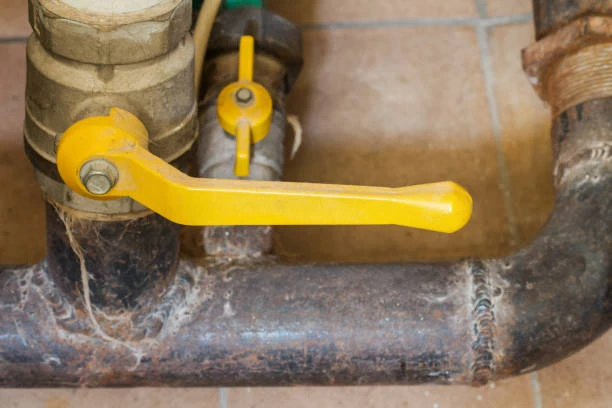
Effective pipe control is essential in plumbing and water management systems. A copper stop valve for pipe control plays a critical role in regulating water flow, enabling maintenance, and preventing leaks. Its durability and ease of use make it a preferred choice for both residential and commercial plumbing installations.
This article will provide a comprehensive overview of copper stop valves used for pipe control. It covers basic definitions, common uses, selection criteria, installation tips, comparisons with other valves, and answers to frequently asked questions. By understanding these aspects, you can make informed decisions to ensure efficient and reliable pipe control.
FAQ: Common Questions About Copper Stop Valve for Pipe Control
1. What is a copper stop valve used for in pipe control?
It is used to shut off or regulate water flow in a piping system, allowing for control over specific sections.
2. Can copper stop valves handle high pressure?
Yes, copper stop valves are designed to withstand typical residential and commercial water pressures.
3. Are copper stop valves suitable for hot water systems?
Absolutely. Copper’s heat resistance makes these valves ideal for both hot and cold water applications.
4. How do I know when to replace a copper stop valve?
Signs include leaks, difficulty turning the handle, or corrosion affecting performance.
5. Is it possible to install a copper stop valve myself?
Yes, especially if it is a compression or push-fit type, but soldered valves might require professional help.
What Is a Copper Stop Valve?
A copper stop valve is a type of valve primarily used to control water flow in copper piping systems. It allows users to stop or start the water supply to specific sections without shutting down the entire system. Constructed mainly from copper or brass, these valves combine corrosion resistance with mechanical strength.
Copper valves are preferred because copper is naturally resistant to corrosion and can withstand temperature variations. This makes copper stop valves highly reliable components in plumbing.
Key Features of Copper Stop Valves for Pipe Control
- Durability: Copper resists corrosion, ensuring long service life.
- Temperature Resistance: Can handle both cold and hot water systems without deforming.
- Leak-Proof Design: Well-engineered seals minimize the chance of leaks when properly installed.
- Smooth Operation: Valves typically feature a quarter-turn or multi-turn handle for easy control.
- Compatibility: Designed specifically for copper piping, ensuring seamless integration.
Common Uses and Applications
Copper stop valves are widely used in a variety of settings for pipe control:
Residential Plumbing
- Under-sink valves to isolate water supply to faucets.
- Toilet supply shut-offs.
- Water heater line controls.
- Appliance water line isolation, such as for dishwashers or ice makers.
Commercial and Industrial
- Shut-off points in office buildings and hotels.
- Water supply control in hospitals and schools.
- Maintenance valves in factories for localized control.
- Fire sprinkler system isolations.
Their reliability and ease of operation make copper stop valves indispensable in systems requiring frequent maintenance or emergency shut-offs.
How to Choose the Right Copper Stop Valve for Pipe Control
Choosing the proper valve requires attention to several factors:
Material Quality
- Select valves made from lead-free brass or high-purity copper alloy to meet health and safety standards.
- Look for valves with forged bodies, which are stronger and less prone to cracking.
Valve Type
- Compression valves are easy to install and remove, ideal for DIY and repairs.
- Push-fit valves offer quick, tool-free installation.
- Sweat (solder) valves provide permanent, leak-proof connections but require professional installation.
Size and Compatibility
- Ensure the valve size matches your existing copper pipe diameter (common sizes include ½ inch and ¾ inch).
- Confirm the connection type fits your plumbing setup.
Handle Design
- Quarter-turn ball valves provide fast and reliable shut-off.
- Multi-turn valves allow finer flow control but may be slower to operate.
Certification and Standards
- Verify the valve complies with relevant plumbing codes and certifications like NSF/ANSI standards.
Installation Tips for Copper Stop Valves
Correct installation is crucial for optimal valve performance and leak prevention.
Preparation
- Shut off the main water supply and drain the system.
- Cut the copper pipe cleanly with a pipe cutter to avoid jagged edges.
- Clean and deburr the pipe ends before installation.
Installation Methods
Compression Valve Installation:
- Slide the compression nut and ring (ferrule) onto the pipe.
- Insert the pipe into the valve body fully.
- Tighten the nut with a wrench while holding the valve steady.
Push-Fit Valve Installation:
- Ensure the pipe is clean and cut squarely.
- Push the valve onto the pipe until it clicks or seats fully.
Sweat Valve Installation:
- Apply flux to pipe and valve surfaces.
- Heat with a torch and apply solder to seal the joint.
- Allow to cool and test for leaks.
Post-Installation
- Open the valve slowly to pressurize the system.
- Check for leaks at connection points.
- Operate the valve handle several times to ensure smooth function.
Copper Stop Valve vs Other Valve Materials
| Feature | Copper Stop Valve | Plastic Valve | Stainless Steel Valve |
|---|---|---|---|
| Installation Ease | Moderate to easy | Very easy | Moderate |
| Durability | High (corrosion-resistant) | Moderate (can degrade) | Very high |
| Heat Resistance | Excellent | Poor to moderate | Excellent |
| Leak Risk | Low (when properly installed) | Moderate | Very low |
| Cost | Moderate | Low | High |
| Suitable for Hot Water | Yes | Limited | Yes |
| Maintenance | Low | Moderate | Low |
Copper valves strike a good balance between cost, durability, and ease of installation, especially for hot water systems.
Summary
The copper stop valve for pipe control is an essential component in managing water flow efficiently and safely. Its combination of corrosion resistance, temperature tolerance, and reliable shut-off capability makes it ideal for various plumbing systems.
Whether for a simple home repair or a complex commercial installation, choosing the right copper stop valve and installing it correctly ensures smooth operation and longevity. Compared to other materials, copper offers a trusted middle ground with excellent performance and moderate costs.
With proper care and attention during installation, copper stop valves provide peace of mind, enabling precise pipe control and reducing the risk of leaks or failures.
Contact IFAN for Catalogs and Samples
Need technical documents, catalogs, or sample products? Reach out to IFAN today.
📧 Email: [email protected]
📱 Whatsapp: +86 19857948982
Our team responds quickly and provides professional support for all your pipeline needs.
IFAN international standard
IFAN’s HDPE compression fittings and pipes comply with a wide range of international standards, ensuring high performance and global compatibility. These include ASTM D3035 and ASTM D3350 from the United States, ISO 4427 series and EN 12201 series from Europe, DIN 8074/8075 from Germany, GB/T 13663 series from China, AS/NZS 4130 from Australia and New Zealand, JIS K6760 from Japan, BS 6572 from the United Kingdom, and CSA B137.1 from Canada. Adherence to these standards guarantees excellent mechanical properties, chemical resistance, and long-term durability across diverse water supply and industrial applications.























