


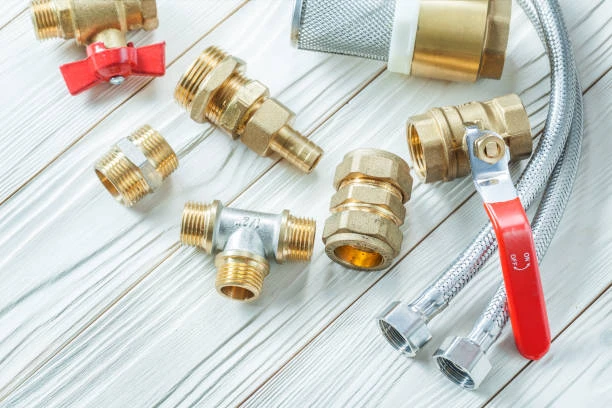
Reliable plumbing components are essential for both residential and commercial water systems. Among these, the copper stop valve stands out as a key element in managing water flow. Designed for long-term performance, it provides a durable solution for isolating or controlling water supply lines. This article explores the benefits, applications, installation tips, and selection criteria for a durable copper stop valve.
Whether you’re a homeowner, contractor, or facility manager, understanding how to choose and maintain the right copper stop valve can improve system reliability and reduce maintenance needs. Read on for a complete guide.
FAQ: Frequently Asked Questions
1. What is a copper stop valve used for?
It is used to shut off water flow to specific fixtures like sinks, toilets, and appliances, allowing for maintenance or repairs without shutting off the entire system.
2. How long does a copper stop valve last?
A high-quality valve can last between 20 and , depending on usage, water conditions, and maintenance.
3. Is it suitable for both hot and cold water?
Yes. Copper stop valves are compatible with both hot and cold water lines due to their high temperature resistance.
4. Can I install a copper stop valve myself?
Many types are DIY-friendly, especially compression and push-fit models. Sweat (solder) types may require professional installation.
5. Are copper stop valves better than plastic ones?
They are more durable, heat-resistant, and reliable under pressure compared to plastic alternatives, though plastic may be cheaper and easier to install.
What Is a Copper Stop Valve?
A copper stop valve is a mechanical device used to manually control the flow of water through a copper pipe. It usually features a handle that turns to open or close the water path. These valves are commonly placed in visible and accessible areas, such as under sinks or behind toilets.
Key Features of a Durable Copper Stop Valve
- High corrosion resistance due to the natural properties of copper and copper alloys
- Pressure and temperature stability, suitable for both residential and industrial applications
- Leak resistance, thanks to precision sealing components and robust body design
- Long service life, especially when made from forged brass or premium copper alloys
- Multiple connection options, such as sweat, compression, or push-fit, for installation flexibility
Copper stop valves are often built with brass—a copper-zinc alloy—to improve mechanical strength while retaining copper’s anti-corrosive properties.
Common Applications and Industry Use
The copper stop valve is used in a wide range of plumbing and mechanical systems where durability and performance are priorities.
Residential Applications
- Water supply lines for kitchen and bathroom sinks
- Toilet water control
- Dishwasher and washing machine connections
- Outdoor faucet shut-offs
- Water heater service connections
Commercial and Industrial Uses
- Multi-unit residential buildings
- Hotels and hospitality facilities
- Schools and universities
- Hospitals and healthcare centers
- Mechanical rooms and maintenance closets
Its durability makes it ideal for environments with high usage or exposure to varied water qualities and pressures.
Buying Guide: What to Look For
When selecting a copper stop valve, focus on material quality, certifications, brand reputation, and design features that support long-term use.
Material Quality
Choose valves made from high-grade copper alloy or lead-free brass. Forged bodies are preferred over cast ones for better strength and resistance to stress.
Certifications
Check for certifications like:
- NSF/ANSI 61 (for drinking water safety)
- UPC (Uniform Plumbing Code compliance)
- CSA or WRAS, depending on regional regulations
Certified valves ensure safety and compliance with building codes.
Connection Type
- Sweat (solder): Requires torch soldering, ideal for permanent joints
- Compression: Easy to install with basic tools, commonly used for copper pipes
- Push-fit: No tools needed, great for quick repairs or DIY users
Choose based on your plumbing setup and skill level.
Finish and Appearance
A chrome-plated or nickel finish provides extra protection and a cleaner look, especially for visible installations under sinks or behind fixtures.
Brand and Warranty
Select valves from reputable manufacturers that offer clear warranty terms. A longer warranty period often reflects better construction and quality assurance.
Installation Tips
Correct installation is essential for ensuring the durability and performance of your copper stop valve.
Preparation
- Shut off the main water supply before starting
- Clean the copper pipe thoroughly to remove oxidation or debris
- Cut the pipe squarely for a proper seal
Installation Method
- For sweat types, apply flux and solder the joint carefully using proper heat levels
- For compression valves, ensure ferrules and nuts are tightened evenly without over-tightening
- For push-fit models, push the valve until it clicks and double-check for full insertion
Post-Installation Check
- Turn on the main water supply
- Check for leaks around joints and handle
- Operate the valve several times to ensure smooth functionality
Professional plumbers can help ensure safe and code-compliant installations, especially in complex systems.
Copper Stop Valve vs Other Materials
Below is a comparison of copper stop valves with other commonly used valve materials:
| Feature | Copper Stop Valve | Plastic Valve | Stainless Steel Valve |
|---|---|---|---|
| Durability | Excellent | Moderate | High |
| Corrosion Resistance | High | Varies (may degrade) | Very high |
| Temperature Resistance | High | Low to medium | Very high |
| Pressure Tolerance | High | Low to medium | High |
| Cost | Moderate | Low | High |
| Ease of Installation | Moderate to easy | Easy | Moderate |
| Environmental Impact | Recyclable | Less eco-friendly | Recyclable |
While plastic valves may be suitable for temporary or low-stress applications, copper stop valves are a better long-term choice in demanding environments.
Conclusion
The copper stop valve is a durable and dependable solution for controlling water flow in residential, commercial, and industrial plumbing systems. With excellent corrosion resistance, pressure tolerance, and long service life, it remains a top choice for professionals and DIY users alike.
When selecting a valve, consider material quality, certifications, connection types, and reputable brands. Whether you’re upgrading your plumbing or building a new system, investing in a durable copper stop valve ensures reliability, efficiency, and peace of mind for years to come.
Contact IFAN for Catalogs and Samples
Need technical documents, catalogs, or sample products? Reach out to IFAN today.
📧 Email: [email protected]
📱 Whatsapp: +86 19857948982
Our team responds quickly and provides professional support for all your pipeline needs.
IFAN international standard
IFAN’s HDPE compression fittings and pipes comply with a wide range of international standards, ensuring high performance and global compatibility. These include ASTM D3035 and ASTM D3350 from the United States, ISO 4427 series and EN 12201 series from Europe, DIN 8074/8075 from Germany, GB/T 13663 series from China, AS/NZS 4130 from Australia and New Zealand, JIS K6760 from Japan, BS 6572 from the United Kingdom, and CSA B137.1 from Canada. Adherence to these standards guarantees excellent mechanical properties, chemical resistance, and long-term durability across diverse water supply and industrial applications.























