


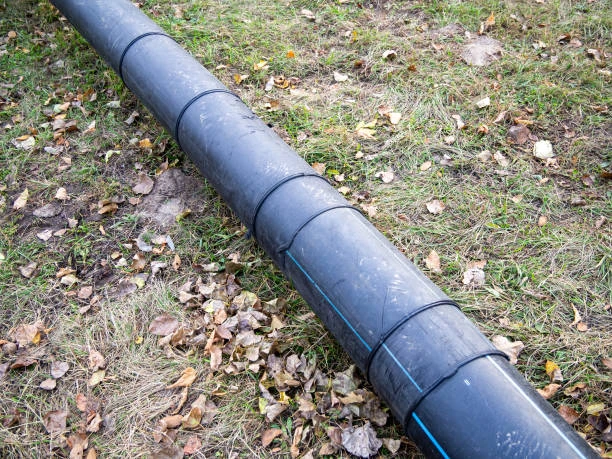
Modern infrastructure demands reliable and long-lasting solutions. In drainage systems, where performance, flexibility, and durability are crucial, HDPE stands out. Drainage HDPE plumbing has become increasingly popular due to its superior mechanical and chemical properties. From residential to industrial applications, HDPE drainage pipes meet diverse requirements with remarkable efficiency.
This article explores the reasons to choose drainage HDPE plumbing, highlighting its structural benefits, installation advantages, environmental features, and long-term cost savings.
What is HDPE?
HDPE, or high-density polyethylene, is a thermoplastic polymer made from petroleum. Known for its high strength-to-density ratio, it resists impact, corrosion, and environmental stress. These attributes make it an excellent choice for plumbing systems that manage drainage, stormwater, and wastewater.
Unlike conventional pipe materials, HDPE does not crack easily. It resists chemicals, ground movement, and internal abrasion, making it particularly suitable for demanding drainage conditions.
Key Advantages of Drainage HDPE Plumbing
Drainage HDPE plumbing systems provide a range of benefits that set them apart from other piping materials. Below are the primary reasons engineers, architects, and builders favor HDPE for drainage solutions.
1. High Durability
Drainage pipes often face rough conditions, including high flow velocities, abrasive sediments, and chemical exposure. HDPE is designed to withstand these challenges. It does not rust, rot, or degrade over time. In fact, HDPE pipes can function for 50 to 100 years with minimal maintenance.
2. Flexibility and Strength
One of the most significant advantages of HDPE is its flexibility. This characteristic allows it to absorb stress and adapt to ground shifts without cracking. It also resists breakage from pressure surges and external loads, making it ideal for areas with soil movement or seismic activity.
3. Resistance to Corrosion and Chemicals
Many drainage systems transport aggressive fluids, industrial waste, or stormwater containing pollutants. HDPE is highly resistant to a wide range of chemicals and does not corrode or degrade under exposure. This ensures long-term reliability even in the most demanding environments.
4. Smooth Internal Surface
Drainage HDPE plumbing features a smooth interior wall, reducing friction and promoting better flow rates. This characteristic prevents sediment buildup and clogging, maintaining high hydraulic performance throughout the system’s lifespan.
5. Leak-Free Joints
HDPE pipes can be joined using heat fusion, creating a continuous, leak-free system. These fused joints are as strong as the pipe itself and eliminate weak points, reducing the risk of infiltration and exfiltration. This feature is particularly valuable for sewer and stormwater drainage applications.
Installation Benefits
Choosing drainage HDPE plumbing also leads to easier and more efficient installation.
Lightweight Material
HDPE pipes are lighter than concrete or metal alternatives. This makes transportation, handling, and installation easier and faster. Fewer workers and less heavy equipment are required on-site, reducing labor costs.
Easy Joining Methods
HDPE pipes can be joined using various methods, including butt fusion, electrofusion, and mechanical fittings. Heat fusion is particularly popular because it creates strong, leak-free joints that resist movement and environmental stress.
Minimal Site Disruption
HDPE can be installed using trenchless methods such as horizontal directional drilling or slip lining. These techniques are less disruptive than open-cut trenching and are especially useful in urban or environmentally sensitive areas.
Faster Project Completion
Due to its flexibility and light weight, HDPE pipe installation is faster than many traditional systems. This efficiency translates into shorter construction timelines and reduced project costs.
Applications of Drainage HDPE Plumbing
HDPE drainage systems serve a wide range of applications across different sectors.
Municipal Drainage Systems
Municipalities widely use drainage HDPE plumbing for stormwater and sewage networks. Its durability and leak-free joints help prevent contamination and groundwater infiltration.
Residential Drainage
HDPE pipes are increasingly used in homes for yard drainage, downspouts, and wastewater systems. They are safe, quiet, and easy to install around complex landscaping.
Industrial Facilities
Industrial plants often discharge chemicals or solids through their drainage systems. HDPE handles these substances with ease, maintaining performance in challenging conditions.
Agricultural Drainage
HDPE is ideal for sub-surface agricultural drainage systems. It withstands pressure, soil movement, and fluctuating temperatures, helping farmers manage irrigation and runoff effectively.
Road and Highway Systems
Drainage HDPE plumbing is commonly used beneath roads, bridges, and highways to manage stormwater. It withstands heavy traffic loads and resists chemical degradation from road salt and fuel residues.
Environmental Benefits
HDPE is a sustainable choice for drainage infrastructure. It has a smaller environmental footprint than many other materials and contributes to long-term sustainability goals.
Recyclable Material
HDPE is 100% recyclable. Old pipes can be repurposed into new products or materials, reducing waste and conserving resources.
Low Carbon Footprint
Producing and transporting HDPE consumes less energy than manufacturing concrete or metal pipes. Its lightweight nature also reduces fuel consumption during transportation.
Long Service Life
Because HDPE lasts for decades with minimal maintenance, it reduces the frequency of replacements and the environmental impact of repairs and new installations.
Groundwater Protection
Leak-free fusion joints prevent contaminants from entering or exiting the drainage system. This protects groundwater resources and complies with strict environmental standards.
Cost Efficiency
Drainage HDPE plumbing may have a slightly higher upfront cost than some alternatives, but its long-term savings are significant.
Lower Installation Costs
Thanks to its lightweight structure and ease of connection, HDPE pipes reduce labor and equipment needs. This leads to shorter project durations and lower installation expenses.
Minimal Maintenance
HDPE systems require less maintenance over time. Their resistance to wear, corrosion, and blockages means fewer repairs, fewer service disruptions, and lower operational costs.
Extended Lifespan
With proper installation, HDPE drainage systems can last over . This longevity significantly reduces life-cycle costs compared to systems requiring frequent replacements.
Safety Considerations
In drainage applications, safety is paramount. HDPE supports safe operation in several ways.
No Toxic Leaching
HDPE does not leach harmful chemicals into the soil or water. It is approved for use in potable water systems and is equally safe for drainage applications.
Resists Freeze-Thaw Damage
In regions with cold climates, drainage systems must endure freeze-thaw cycles. HDPE remains flexible at low temperatures and resists cracking, unlike brittle materials such as concrete.
Fire and UV Resistance
HDPE drainage pipes are available with UV-resistant coatings for outdoor use. Fire-retardant variants are also available for specific building applications.
Long-Term Performance in Harsh Conditions
HDPE’s performance remains consistent in a wide range of environmental conditions. It can operate in temperatures ranging from -40°C to 60°C without compromising structural integrity.
Its ability to absorb vibrations and ground shifts without cracking makes it ideal for unstable soils, mining zones, and earthquake-prone areas.
Additionally, HDPE performs well in chemically aggressive environments, such as wastewater treatment plants or landfills, where traditional materials might degrade quickly.
Technological Advances
Ongoing advancements in HDPE manufacturing continue to enhance its performance and usability.
Structured Wall Designs
Some HDPE pipes feature structured walls that reduce weight while maintaining strength. These designs offer cost and handling advantages.
Smart HDPE Systems
HDPE systems can be integrated with sensors for monitoring flow, pressure, and performance. This allows for predictive maintenance and improved system management.
Custom Sizing
Manufacturers offer HDPE pipes in a wide range of diameters and wall thicknesses, making them adaptable for all types of drainage projects.
Regulatory Compliance
HDPE drainage systems comply with national and international standards. These include specifications for strength, chemical resistance, and pressure rating. Using HDPE helps ensure that projects meet health, safety, and environmental regulations.
Engineers and contractors can design with confidence, knowing that drainage HDPE plumbing aligns with the most stringent codes and performance criteria.
Conclusion
Drainage HDPE plumbing offers unmatched performance, flexibility, and cost-effectiveness for modern infrastructure. Its superior resistance to wear, chemicals, and environmental stress makes it a reliable solution for a variety of drainage applications.
From residential backyards to large-scale industrial complexes, HDPE delivers long-lasting value with minimal maintenance and a lower environmental footprint. Choosing HDPE for drainage is not only a sound engineering decision—it is also a smart investment in long-term sustainability and efficiency.
As cities grow and infrastructure demands increase, selecting materials that can stand the test of time becomes critical. Drainage HDPE plumbing continues to lead the industry, offering innovative solutions that support progress without compromise.
IFAN international standard
IFAN’s poly pipe products comply with a wide range of international standards to ensure quality, safety, and compatibility across global markets. These include ASTM D3035, ASTM D3350, the ISO 4427 series, EN 12201 series, DIN 8074/8075, GB/T 13663 series, AS/NZS 4130, JIS K6760, BS 6572, and CSA B137.1, among others. This comprehensive compliance reflects IFAN’s commitment to delivering reliable piping solutions that meet the diverse technical requirements of water supply, gas distribution, and industrial applications worldwide.
Contact
IFAN is a professional manufacturer with of experience, dedicated to producing high-quality plastic pipes, fittings, and valves. Our products include brass valves, PPR valves, as well as various pipes and fittings to meet different customer needs. Whether you need plumbing and drainage pipes or valve products, IFAN can provide a diverse range of high-quality, cost-effective products to support your projects. Below is our contact information.
We will reply your email or fax within 24 hours.
You can call us at any time if there is any question on our production.
For more information,pls visit our webside https://www.ifanplus.com/
Pls Mailto: [email protected]
Whatsapp: + 86 19857948982























