


Understanding the Basics of Plumbing Materials
Before you start any plumbing job, you need to understand the materials involved. Pipes and fittings come in many types, each with a specific purpose. For example, PVC is often used for drain lines, while copper is ideal for hot water lines. Moreover, fittings connect pipes and help direct water flow. Therefore, choosing the right materials from the start can prevent leaks, damage, and future repairs. Also, knowing your project’s water pressure and temperature needs helps narrow down your options quickly. With the basics in mind, you can move forward with confidence.
Consider the Type of Plumbing Project
Different plumbing tasks require different materials. For instance, fixing a kitchen sink usually involves PEX or PVC, while a full house installation may use copper or PPR. Furthermore, outdoor plumbing jobs need pipes that can resist extreme weather. By considering where the pipes will go and what kind of water they’ll carry, you can choose smarter. Additionally, some fittings are better for tight spaces, while others work well in open areas. Always match the materials to the environment and the specific task.
Know the Strengths of Each Pipe Type
Every pipe type has its own strengths. Copper pipes last long and handle high heat, but they cost more. On the other hand, PVC is cheaper and resists corrosion, though it’s not ideal for hot water. Likewise, PEX is flexible and easy to install, especially in tight areas. Each material offers unique advantages. Consequently, your decision should balance budget, durability, and use. With a clear understanding of material strengths, you’ll avoid costly mistakes.
Match Fittings to Pipe Material
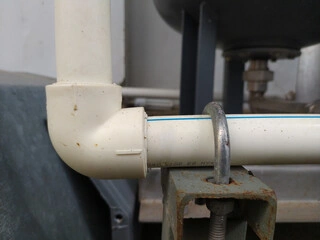
Pipes and fittings must be compatible. For example, you can’t use a PVC fitting with a copper pipe. Also, each fitting has a specific purpose — elbows change direction, tees split flow, and couplings connect straight lines. Therefore, once you choose the pipe, pick fittings from the same material family. In addition, always check local codes to ensure your materials meet safety standards. Choosing the right fittings not only ensures proper flow but also makes installation easier and safer.
Think About Long-Term Maintenance
Choosing the right pipes and fittings helps reduce future maintenance. Some materials, like copper and PPR, are more resistant to buildup and leaks. Others, like older plastic pipes, may crack over time. So, if you want fewer repairs, invest in quality. Also, fittings with strong seals or crimp systems can prevent leaks. Regular inspections and clean water flow depend on good choices now. By thinking long-term, you can save both time and money down the line.
Evaluate Installation Tools and Methods
Before buying materials, think about how they’re installed. PEX pipes require crimp tools, while copper needs soldering. PVC just needs glue and primer. Consequently, your skills and available tools will impact your decision. Also, if you’re hiring a plumber, they may prefer certain materials. Some tools make installations faster and cleaner. Understanding this helps avoid frustration during the job. Always prepare your tools ahead of time to match the pipes and fittings you’ve selected.
Budget and Availability Matter
Not all pipes are priced the same. Copper is the most expensive, followed by PEX, then PVC. Fittings also vary in cost based on their material and size. Moreover, not every store carries every type. If you live in a remote area, PVC and PEX might be easier to find. Planning ahead helps avoid delays. Also, buying slightly more than needed helps in case of mistakes. Budgeting and checking availability early makes the whole process smoother.
Final Tips for a Successful Plumbing Project
Now that you know what to consider, make a checklist before starting your plumbing project. First, identify your water needs. Then, match the right pipe type and fittings. Next, gather your tools and ensure you understand the installation steps. Furthermore, if you’re unsure, ask a local expert or plumber. Planning, preparation, and using the right materials will lead to fewer problems and better performance. With the right pipes and fittings, your plumbing job will be more durable and efficient.
IFAN Product Standards Overview
IFAN manufactures products in full compliance with international and regional standards to meet diverse market requirements. Our product range adheres to specifications such as ISO 15874, EN 15874, ASTM F2389, DIN 8077/8078, GB/T 18742, and NBR 15884 for PPR systems. We also follow ISO 15494, EN ISO 15494, GB/T 19472, and NBR 15494 for industrial piping applications. Standards like ASTM D1785 SCH40/SCH80, DIN 8061/8062, ISO 1452, AS/NZS 1477, and NSF/ANSI 14 apply to our PVC systems. For HDPE and gas pipes, we comply with ISO 4437, EN 12201, ASTM D2513, ASTM D3035, and GB/T 13663. Stainless steel and composite piping products meet ASTM A312, ISO 10380, ASTM F1974, and ISO 21003. Other supported standards include CSA B137, BS 7291, JIS K6741, and TIS 17-2532/1131-2535. IFAN ensures reliable quality and compatibility by meeting these globally recognized specifications.
Contact
IFAN is a professional manufacturer with of experience, dedicated to producing high-quality plastic pipes, fittings, and valves. Our products include brass valves, PPR valves, as well as various pipes and fittings to meet different customer needs. Whether you need plumbing and drainage pipes or valve products, IFAN can provide a diverse range of high-quality, cost-effective products to support your projects. Below is our contact information.
We will reply your email or fax within 24 hours.
You can call us at any time if there is any question on our production.
For more information,pls visit our webside https://www.ifanplus.com/
Pls Mailto: [email protected]
Whatsapp: + 86 19857948982























