


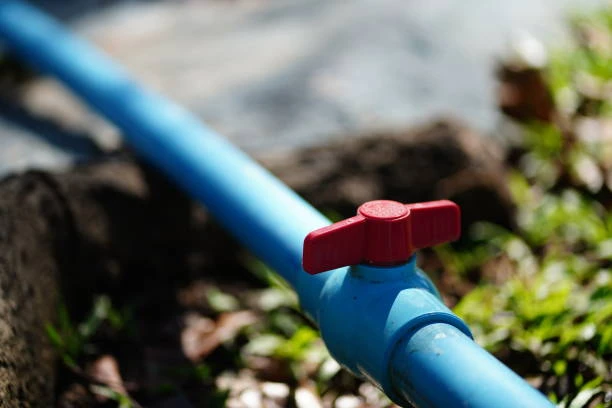
As global awareness of environmental protection continues to grow, industries around the world are adopting sustainable solutions. Agriculture, landscaping, and water management are no exception. Efficient irrigation systems are not only important for maximizing productivity, but they also play a key role in conserving water and minimizing environmental impact. Among all the components that make up a sustainable irrigation system, the irrigation valve stands out as a crucial element.Today, the PVC irrigation valve is increasingly recognized for its eco-friendly performance. Its low environmental footprint, long service life, and compatibility with sustainable farming practices make it a preferred choice for responsible water management.
Understanding the Role of Irrigation Valves
Before diving into the ecological advantages, it is important to understand the function of an irrigation valve. Essentially, irrigation valves control the flow of water from the main supply to the different zones in an irrigation system. They determine when and how much water reaches plants, crops, or turf.
Therefore, the reliability and efficiency of these valves directly influence the performance and sustainability of the entire irrigation setup. Faulty or inefficient valves can result in water waste, energy loss, and soil erosion. Consequently, selecting the right valve is not only a matter of function but also a matter of environmental stewardship.
What Makes a Valve Eco-Friendly?
An eco-friendly valve is one that minimizes its impact on the environment throughout its entire life cycle—from production to usage and eventual disposal. To achieve this, several factors must be considered, including:
- Material composition
- Manufacturing process
- Energy efficiency during operation
- Water conservation features
- Durability and service life
- Recyclability and end-of-life impact
PVC irrigation valves excel in many of these areas, making them a standout option for those who prioritize green practices.
Why Choose PVC for Eco-Friendly Irrigation?
PVC, or polyvinyl chloride, has long been valued for its versatility and performance in piping systems. More recently, however, its potential for supporting sustainable infrastructure has also gained attention.
Unlike metal or composite alternatives, PVC offers a balance of lightweight design, low energy consumption, and minimal waste generation. Moreover, its resistance to corrosion and chemicals ensures longer life, which reduces the need for replacements and waste disposal.
Low Environmental Impact in Production
Firstly, PVC valves are energy-efficient to manufacture. The production of PVC requires less energy than the production of metals such as brass or stainless steel. This lower energy demand contributes to a smaller carbon footprint.
Additionally, many PVC irrigation valve manufacturers are adopting clean production technologies and closed-loop systems. These methods reduce emissions, reuse raw materials, and minimize the release of harmful byproducts. As a result, the overall environmental impact of producing PVC valves has been significantly reduced over time.
Lightweight Nature Reduces Transportation Emissions
Another eco-friendly aspect of PVC valves is their lightweight structure. Because they weigh significantly less than metal valves, they are easier to transport. As a result, fewer fossil fuels are consumed during shipping and distribution.
Not only does this reduce greenhouse gas emissions, but it also decreases the environmental cost associated with packaging and logistics. In large-scale agricultural operations, where hundreds or even thousands of valves may be installed, this benefit becomes even more pronounced.
Energy Efficiency in Operation
PVC irrigation valves also contribute to eco-friendliness during their use phase. Their internal surface is smoother than that of many other materials, which reduces friction and pressure loss. Consequently, less energy is needed to pump water through the system.
This improved hydraulic performance reduces the workload on pumps and motors, resulting in lower electricity consumption over time. In off-grid systems powered by solar or wind, the energy savings further enhance sustainability.
Durable and Long-Lasting Design
Durability plays a critical role in evaluating environmental performance. The longer a product lasts, the fewer resources are needed to replace or repair it. PVC valves are known for their impressive longevity, even in challenging outdoor environments.
They resist corrosion, rust, UV radiation, and most chemicals used in agriculture. Therefore, they maintain peak performance for many years, reducing the need for frequent replacements and minimizing waste generation.
In fact, PVC irrigation valves often last longer than metal valves, especially in environments where water has high salt content or aggressive chemical additives. This durability translates into fewer discarded components and less environmental burden.
Support for Water Conservation
Water conservation is a central goal of eco-friendly irrigation. Fortunately, PVC valves play a crucial role in this area. Their tight seals and precision controls help prevent leaks, overwatering, and inefficient water use.
Many models include features such as adjustable flow control, pressure regulation, and automated shut-off mechanisms. These capabilities ensure that water is distributed evenly and only when needed, reducing waste and runoff.
Moreover, PVC valves are fully compatible with modern smart irrigation systems. These systems use weather sensors and soil moisture data to optimize watering schedules. By integrating PVC valves into these networks, users can significantly reduce water consumption while promoting healthier plant growth.
Reduced Maintenance and Waste
Eco-friendliness also extends to product maintenance. PVC valves require very little maintenance compared to their metal counterparts. They do not rust, swell, or become stuck due to corrosion. Therefore, they require fewer spare parts and less downtime for servicing.
This reliability minimizes operational disruptions and further reduces waste over time. Additionally, many parts of PVC valves can be easily replaced or repaired, extending their lifespan even further and avoiding complete replacements.
Recyclability and End-of-Life Impact
Eventually, every valve reaches the end of its life. However, even here, PVC proves to be environmentally responsible. Modern recycling processes can repurpose old PVC materials into new products, such as piping, flooring, or even new valves.
Unlike some composite or metal valves, which may be difficult to separate and recycle, PVC components can be sorted and processed with relative ease. As recycling technologies continue to improve, the lifecycle sustainability of PVC irrigation valves will only become more impressive.
Compliance with Green Standards and Certifications
Many PVC irrigation valves are now manufactured in compliance with international environmental standards such as ISO 14001. This ensures that environmental management practices are in place during production, packaging, and delivery.
In some regions, PVC valves also qualify for green building credits and sustainable agriculture programs. These certifications not only confirm their environmental integrity but also encourage wider adoption of eco-friendly components in infrastructure projects.
Comparison with Other Valve Materials
To better understand the ecological advantages of PVC, it is useful to compare it with other commonly used valve materials.
Metal Valves
Metal valves, such as those made of brass, copper, or stainless steel, offer strength but come with significant environmental costs. Mining, refining, and processing metals are energy-intensive and generate substantial emissions. In addition, metal valves are heavier and more prone to corrosion, leading to more frequent replacements.
Composite Valves
Composite valves may combine different materials, such as plastic and fiberglass. While they offer certain performance benefits, they can be harder to recycle due to their mixed composition. Moreover, some composites may degrade faster under UV exposure or chemical attack.
Polyethylene Valves
Polyethylene (PE) valves are flexible and lightweight but generally less robust than PVC. They are more prone to deformation under pressure and may not offer the same long-term performance. Furthermore, their thermal resistance is lower, which limits their application in extreme environments.
In contrast, PVC provides an ideal balance of strength, durability, environmental safety, and recyclability.
Best Practices for Eco-Friendly Use
Even the most sustainable product must be used responsibly to maximize its benefits. When working with PVC irrigation valves, follow these best practices to support environmental goals:
- Always choose valves from certified manufacturers who follow green production standards
- Match the valve type and size to the system’s actual water needs to avoid oversizing
- Integrate valves with smart irrigation controllers to optimize water delivery
- Regularly inspect and maintain valves to prevent leaks and malfunctions
- Recycle old or damaged valves through approved programs rather than disposing them as waste
By following these principles, users can ensure that their irrigation systems contribute positively to environmental sustainability.
Conclusion: PVC Irrigation Valves as a Green Choice
In conclusion, PVC irrigation valves offer a comprehensive solution for environmentally conscious irrigation. From their low-impact production to their efficient operation and recyclability, they align well with modern sustainability goals.
They help reduce energy consumption, conserve water, minimize waste, and support long-lasting agricultural infrastructure. As more growers, landscapers, and municipal planners seek eco-friendly products, PVC valves stand out as a smart and responsible choice.
Ultimately, embracing PVC irrigation valves is not just about efficient water management—it is about investing in the health of our planet for generations to come.
IFAN international standard
IFAN products comply with a wide range of international standards, ensuring quality and reliability across different markets. These standards include ASTM D2846, DIN 8079/8080, ASTM F441/F441M SCH80, various DIN specifications, the GB/T 18993 Series standards, AS/NZS 1477, CSA B137.6, NSF/ANSI 14, and TIS 17-2532/1131-2535. This broad compliance demonstrates IFAN’s commitment to meeting global requirements and delivering products that meet the strictest performance and safety criteria.
Contact
IFAN is a professional manufacturer with of experience, dedicated to producing high-quality plastic pipes, fittings, and valves. Our products include brass valves, PPR valves, as well as various pipes and fittings to meet different customer needs. Whether you need plumbing and drainage pipes or valve products, IFAN can provide a diverse range of high-quality, cost-effective products to support your projects. Below is our contact information.
We will reply your email or fax within 24 hours.
You can call us at any time if there is any question on our production.
For more information,pls visit our webside https://www.ifanplus.com/
Pls Mailto: [email protected]
Whatsapp: + 86 19857948982























