


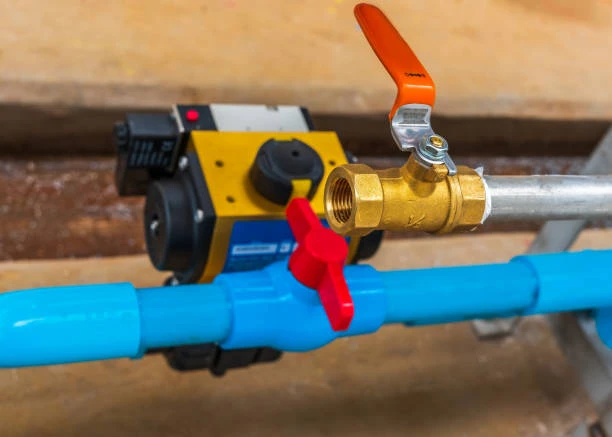
In modern piping systems, the choice of valve materials plays a significant role in the efficiency and overall reliability of the installation. Among the many options available today, CPVC (Chlorinated Polyvinyl Chloride) valves have gained increasing popularity due to their impressive combination of chemical resistance, thermal performance, and mechanical strength. However, one of the most underrated yet crucial advantages of CPVC valves is their lightweight nature.
This article explores the numerous benefits associated with the lightweight design of CPVC valves. From cost savings and easy handling to safety improvements and structural compatibility, the reduced weight of CPVC valves delivers far-reaching advantages across various industries.
The Importance of Weight in Valve Selection
When engineers and system designers evaluate valves for use in plumbing, industrial processing, water treatment, or chemical distribution, they consider multiple criteria. These include compatibility, durability, pressure rating, and cost. Yet, weight is often overlooked, despite being essential in many applications.
Heavy valves can complicate transportation, strain support structures, increase installation costs, and raise safety concerns. Therefore, lighter valve options, like those made from CPVC, offer practical advantages that extend far beyond the valve itself.
What Makes CPVC Valves Lightweight?
CPVC is a thermoplastic derived from PVC (Polyvinyl Chloride), with additional chlorine atoms added during polymerization. This modified chemical structure gives CPVC enhanced resistance to heat and chemicals while maintaining a low material density.
Compared to metal valves made of brass, bronze, stainless steel, or cast iron, CPVC valves are significantly lighter. Even when compared with some other plastic materials, CPVC achieves a favorable balance between low weight and high strength.
Consequently, CPVC valves are easier to move, store, and install. This inherent lightweight property translates into meaningful benefits at every stage of a project—from planning and procurement to long-term operation.
Easier Transportation and Handling
One of the first advantages realized with lightweight CPVC valves is in transportation. Heavier valve systems require more robust packaging, additional support equipment, and sometimes even special permits or handling protocols. These requirements can increase both cost and complexity.
In contrast, CPVC valves can be shipped in bulk with less fuel consumption, lower risk of damage, and simplified logistics. Contractors can carry more units per shipment, reducing the number of delivery runs and overall environmental impact.
Moreover, when materials arrive on-site, handling is much easier. Workers can move CPVC valves manually without forklifts or cranes, especially for small to mid-size projects. This enhances site efficiency and lowers the chance of job site injuries.
Simplified Installation Process
The installation phase is another area where the lightweight nature of CPVC valves offers clear advantages. Because the valves are easy to lift and position, they can be installed quickly without the need for specialized lifting equipment.
This is particularly important in tight or elevated spaces, where maneuvering heavy components can be challenging. Plumbers and technicians can fit CPVC valves into position with minimal assistance, reducing labor costs and avoiding delays.
In multi-story buildings or complex industrial installations, lightweight CPVC valves can also reduce strain on support structures. This not only saves time during setup but also contributes to long-term structural integrity.
Reduced Structural Load on Systems
In many installations, the combined weight of piping and valve systems must be supported by brackets, beams, and walls. The heavier the system, the greater the stress on these supports. Over time, this can lead to wear, sagging, or even structural failure.
Fortunately, CPVC valves help minimize this issue. Their lightweight design reduces the overall system load, which is especially beneficial in suspended piping networks and vertical runs.
Additionally, this lighter load allows for more design flexibility. Engineers can place valves in areas that may not support heavier alternatives, expanding system layout options and improving functionality.
Enhanced Worker Safety
Job site safety is always a top priority, and heavy components can pose a risk during transport and installation. Strains, falls, and dropped components can result in injury or damage to equipment.
Because CPVC valves are light and manageable, they significantly reduce the risk of lifting-related injuries. Workers can transport and install them without excessive strain or the need for bulky safety gear.
Furthermore, the risk of damage from accidental drops is also lower. Even if a CPVC valve falls, it is less likely to cause injury or break surrounding materials. This contributes to a safer and more efficient work environment.
Cost Savings Across the Board
Every phase of a valve’s lifecycle benefits financially from its light weight. First, shipping costs are lower due to reduced weight and volume. Warehousing is also more efficient because more units can be stored in a given space.
During installation, the need for specialized labor or lifting machinery is minimized. This results in faster turnaround times and lower overall project costs. Moreover, since CPVC valves are easier to handle, labor productivity increases.
In the long run, reduced structural stress and fewer accidents translate into lower maintenance and liability costs. Therefore, the lightweight nature of CPVC valves contributes directly to both capital and operational savings.
Greater Suitability for Modular Systems
In recent years, modular construction has become more prevalent in plumbing and HVAC systems. Prefabricated units are built off-site, then transported and assembled on location. In such systems, every kilogram matters.
CPVC valves are ideal for modular construction. Their light weight allows prefabricated assemblies to remain within manageable weight limits, easing transport and installation. As a result, modular units can be more compact, easier to ship, and faster to deploy.
Furthermore, this advantage is amplified in mobile systems such as portable water treatment units, temporary pipeline setups, or shipboard installations. In such cases, minimizing system weight is essential to performance and mobility.
Comparison with Metal Valves
To fully appreciate the benefits of CPVC valves, it is useful to compare them with traditional metal alternatives.
Brass valves, for example, are strong and corrosion-resistant but considerably heavier. Installing large numbers of brass valves requires more support infrastructure and may slow down projects due to weight constraints.
Stainless steel valves are even heavier and more expensive, though they offer high performance. However, in many cases, their strength is more than what the system requires. This results in unnecessary cost and effort.
Cast iron valves, while inexpensive, are extremely heavy. They often require cranes or mechanical hoists for installation. Moreover, their weight adds to long-term stress on piping networks.
In comparison, CPVC valves provide adequate pressure and temperature resistance for most applications without the burden of extra weight. Their performance-to-weight ratio is highly favorable, especially in medium-duty systems.
Versatile Applications for Lightweight CPVC Valves
The lightweight property of CPVC valves makes them versatile and suitable for a wide range of industries and applications. For example:
- Residential plumbing: CPVC valves are commonly used in home hot and cold water systems. Their light weight makes them ideal for use behind walls, under sinks, or in ceiling spaces.
- Commercial buildings: Multi-floor structures benefit greatly from reduced valve weight, which lessens structural load and simplifies vertical installations.
- Chemical processing: Lightweight CPVC valves are easy to integrate into complex pipeline networks that carry corrosive fluids.
- Agriculture and irrigation: In outdoor installations, the light weight of CPVC valves makes them easy to carry across fields and mount onto piping.
- Swimming pools and spas: CPVC valves resist chlorine and other pool chemicals while being light enough for easy maintenance.
- Water treatment plants: In filtration and distribution systems, the low weight helps reduce stress on tanks, pumps, and piping.
Environmental Benefits of Reduced Weight
Lightweight materials like CPVC also contribute to environmental sustainability. Lower shipping weight results in reduced fuel consumption and fewer emissions during transport. Warehouses require less energy for handling and storage, and smaller support structures consume fewer raw materials.
In addition, CPVC valves last a long time and are recyclable in many cases. Therefore, their overall environmental impact remains low across the product lifecycle.
When used in systems designed with energy efficiency in mind, the benefits compound. For example, when paired with CPVC piping, lightweight CPVC valves help optimize pump efficiency and minimize pressure drop.
Industry Standards and Certifications
Despite their light weight, CPVC valves meet or exceed industry standards for strength, pressure, and safety. They are certified by various organizations including:
- NSF International
- ASTM International
- ISO
- UL (for fire protection applications)
These certifications confirm that CPVC valves deliver not only lightweight advantages but also safe, reliable operation over time.
Long-Term Durability and Light Weight Combined
Some users may associate lightweight components with fragility, but CPVC valves break this stereotype. They are engineered to handle long-term exposure to pressure, temperature, and chemical stressors without deformation or degradation.
Their lightweight construction does not compromise durability. On the contrary, CPVC valves maintain their performance even after years of continuous use. They do not corrode, weaken, or require frequent maintenance.
This combination of light weight and long life makes them a reliable solution for projects where both performance and efficiency are critical.
Conclusion: Lightweight CPVC Valves Offer Practical Advantages
To conclude, the lightweight nature of CPVC valves delivers a range of practical and financial advantages. From easier transport and quicker installation to lower structural stress and improved safety, the benefits of reduced weight are significant and far-reaching.
When combined with CPVC’s well-known durability and chemical resistance, the result is a valve that is easy to handle yet tough enough for demanding applications. As industries continue to seek efficient, cost-effective, and sustainable solutions, lightweight CPVC valves stand out as a smart choice for the future.
IFAN international standard
IFAN products comply with a wide range of international standards, ensuring quality and reliability across different markets. These standards include ASTM D2846, DIN 8079/8080, ASTM F441/F441M SCH80, various DIN specifications, the GB/T 18993 Series standards, AS/NZS 1477, CSA B137.6, NSF/ANSI 14, and TIS 17-2532/1131-2535. This broad compliance demonstrates IFAN’s commitment to meeting global requirements and delivering products that meet the strictest performance and safety criteria.
Contact
IFAN is a professional manufacturer with of experience, dedicated to producing high-quality plastic pipes, fittings, and valves. Our products include brass valves, PPR valves, as well as various pipes and fittings to meet different customer needs. Whether you need plumbing and drainage pipes or valve products, IFAN can provide a diverse range of high-quality, cost-effective products to support your projects. Below is our contact information.
We will reply your email or fax within 24 hours.
You can call us at any time if there is any question on our production.
For more information,pls visit our webside https://www.ifanplus.com/
Pls Mailto: [email protected]
Whatsapp: + 86 19857948982























