


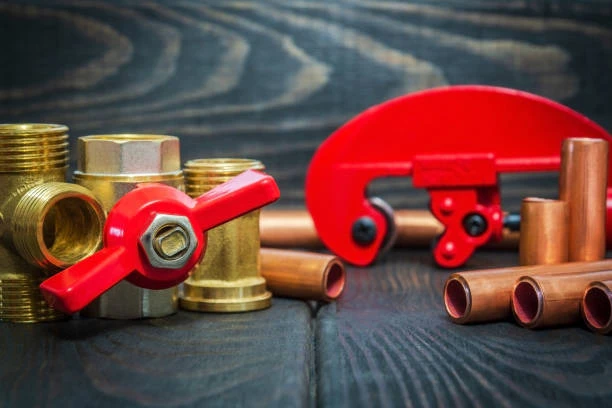
Control valves are an integral part of numerous fluid and gas systems, playing a critical role in regulating flow, pressure, and temperature. They are widely used in industries ranging from oil and gas to water treatment, food processing, and HVAC systems. The ability to precisely control fluid flow ensures that systems operate efficiently and safely. In this article, we will explore the advantages of them, discussing their key features, benefits, and why they are essential in various applications.
1. Understanding Control Valves
Control valves are devices used to control the flow of fluids, gases, or steam within a system. They regulate the rate of flow or pressure to maintain desired operational conditions. The valve achieves this by adjusting the size of an orifice in the valve body, using either pneumatic, electric, or hydraulic actuators. Control valves are essential in ensuring that systems operate at optimal performance levels, making them indispensable in modern engineering systems.
Typically, control valves are found in systems where precise regulation is required. They are commonly used in industries such as oil and gas, pharmaceuticals, power generation, water treatment, and food processing. They help improve safety, reduce energy consumption, and enhance system performance.
2. Precision Control of Flow and Pressure
One of the primary advantages of them is their ability to provide precise control of flow and pressure. By adjusting the valve opening, operators can fine-tune the flow rate to match the specific needs of the system. This is especially important in processes that require accurate and consistent flow, such as chemical reactions, water treatment, and cooling systems.
For example, in a chemical processing plant, precise control of flow ensures that chemicals mix correctly, preventing undesirable reactions. In water treatment plants, the ability to regulate the flow of water helps achieve optimal filtration and purification. In HVAC systems, control valves adjust the temperature and humidity levels, ensuring that indoor environments are comfortable and energy-efficient.
Moreover, control valves enable operators to adjust the flow in response to changing system conditions. For instance, when pressure builds up beyond a set point, the valve can automatically adjust to release pressure, preventing damage to the system. This dynamic adjustment feature makes control valves an indispensable tool for maintaining system stability and efficiency.
3. Increased Energy Efficiency
Control valves also contribute to energy efficiency in various systems. By regulating the flow of fluids, these valves ensure that the system uses only the amount of energy necessary to maintain the desired operating conditions. This is particularly valuable in industries that consume large amounts of energy, such as manufacturing, power generation, and HVAC systems.
In heating, ventilation, and air conditioning (HVAC) systems, they help optimize energy use by regulating the flow of hot or cold fluids. By adjusting the flow based on temperature needs, control valves prevent energy waste, leading to lower operating costs. In industrial settings, control valves ensure that machines and equipment run efficiently without unnecessary energy consumption.
For example, in a steam system, control valves regulate the flow of steam to maintain consistent pressure and temperature. By optimizing steam usage, control valves help prevent overheating and energy loss, which results in cost savings and improved overall system efficiency.
4. Enhanced System Safety
Control valves are essential for maintaining the safety of fluid and gas systems. By regulating pressure, flow, and temperature, they prevent hazardous situations such as overpressure, overheating, or the release of dangerous substances. In industries like oil and gas, where high-pressure systems are common, control valves are crucial for ensuring the safe operation of pipelines and equipment.
In addition to controlling the flow of fluids, control valves can be equipped with safety features that protect against system failures. For instance, some control valves have built-in relief valves that open when pressure exceeds a certain threshold, releasing pressure and preventing potential damage or accidents. This feature is particularly important in systems where pressure fluctuations can lead to catastrophic failures.
Furthermore, control valves help prevent system overloading, which could lead to equipment damage or system downtime. By maintaining the correct flow and pressure, they ensure that the system operates within safe limits, reducing the risk of accidents and costly repairs.
5. Versatility and Adaptability
Control valves are highly versatile and adaptable, making them suitable for a wide range of applications. They can be used to control various types of fluids, including gases, liquids, and slurries, in diverse industries. Whether it is a simple on/off control or a more complex modulation of flow, control valves can be tailored to meet specific system requirements.
Moreover, control valves come in various sizes and configurations, allowing them to be used in different system capacities. Whether in small household plumbing systems or large-scale industrial operations, they can be designed to meet the demands of the application. This adaptability makes control valves a preferred choice in many industries.
For example, in the food and beverage industry, they are used to regulate the flow of liquids, gases, and ingredients in production lines. In the pharmaceutical industry, control valves help maintain the sterile environment required for drug manufacturing. Their versatility ensures that they can meet the unique demands of each industry.
6. Improved Process Control and Automation
In modern systems, they are often integrated with automation systems to improve process control. Automation allows for real-time adjustments based on data received from sensors and controllers. This integration ensures that processes remain stable and efficient without requiring constant manual intervention.
Automated control valves can respond to changing system conditions in real time, optimizing performance and reducing human error. For instance, in a chemical plant, automated control valves can adjust the flow of chemicals based on temperature and pressure readings, ensuring that the reaction takes place within optimal conditions. This level of automation improves the accuracy of the process, reduces waste, and enhances overall productivity.
By integrating control valves with supervisory control and data acquisition (SCADA) systems or distributed control systems (DCS), operators can remotely monitor and adjust valve settings, making it easier to manage complex processes. The automation of control valve functions leads to more efficient operations, faster response times, and fewer manual interventions.
7. Long-Term Reliability and Durability
Control valves are designed to be durable and reliable, even under demanding conditions. High-quality materials such as stainless steel, brass, and carbon steel ensure that they can withstand harsh environments, including high temperatures, pressures, and corrosive fluids. Their robust construction makes them a long-lasting investment in any system.
Control valves are also designed for minimal maintenance. The use of high-performance materials and precision engineering ensures that control valves continue to perform well over time with minimal wear and tear. Additionally, many control valves are designed with replaceable parts, such as seats and seals, allowing for easy maintenance and extended service life.
For example, in the oil and gas industry, they are exposed to high pressures and corrosive chemicals. By using materials that resist corrosion and wear, control valves maintain their performance and reliability in harsh environments. Their longevity reduces the need for frequent replacements, saving companies time and money on maintenance.
8. Cost-Effectiveness in the Long Run
While control valves may represent an initial investment, their long-term benefits far outweigh the upfront cost. By improving system efficiency, reducing energy consumption, enhancing safety, and minimizing downtime, they provide significant cost savings over time. Additionally, the reduced need for maintenance and repairs helps to lower the total cost of ownership.
For example, in large industrial systems, they prevent overuse of energy, which reduces operational costs. By maintaining the correct flow and pressure, they ensure that the system operates optimally, leading to lower energy bills and fewer system failures. Furthermore, the reliability and durability of them reduce the need for costly repairs or replacements.
Control valves are also essential for improving the overall productivity of a system. By maintaining consistent operational conditions, they help ensure that processes run smoothly and efficiently, maximizing output while minimizing waste.
9. Environmental Benefits
They play a role in reducing the environmental impact of fluid and gas systems. By improving efficiency and reducing energy consumption, control valves help lower carbon emissions and resource use. In industries like power generation, where large amounts of energy are consumed, control valves help optimize energy use, contributing to a more sustainable operation.
They ensure that systems operate within safe limits, preventing overflows, leaks, and waste. In water treatment plants, for instance, control valves regulate the flow of water to ensure that resources are used efficiently. Similarly, in the oil and gas industry, control valves help prevent the release of harmful chemicals or gases into the environment.
By reducing energy consumption, improving process efficiency, and minimizing waste, control valves contribute to more environmentally friendly operations.
Conclusion
They offer numerous advantages, making them essential components in a wide range of fluid and gas control systems. Their ability to precisely regulate flow, pressure, and temperature ensures that systems operate efficiently, safely, and sustainably. Moreover, their versatility, durability, and adaptability make them suitable for use in various industries, from manufacturing and power generation to water treatment and food processing.
By providing enhanced system safety, improved process control, and long-term reliability,they deliver significant cost savings over time. Their role in automation, energy efficiency, and environmental sustainability further enhances their value in modern systems. With all these advantages, they are undoubtedly a crucial part of any fluid control system, ensuring optimal performance and reliability.
IFAN international standard
IFAN’s HDPE compression fittings and pipes comply with a wide range of international standards, ensuring high performance and global compatibility. These include ASTM D3035 and ASTM D3350 from the United States, ISO 4427 series and EN 12201 series from Europe, DIN 8074/8075 from Germany, GB/T 13663 series from China, AS/NZS 4130 from Australia and New Zealand, JIS K6760 from Japan, BS 6572 from the United Kingdom, and CSA B137.1 from Canada. Adherence to these standards guarantees excellent mechanical properties, chemical resistance, and long-term durability across diverse water supply and industrial applications.
Contact
IFAN is a professional manufacturer with of experience, dedicated to producing high-quality plastic pipes, fittings, and valves. Our products include brass valves, PPR valves, as well as various pipes and fittings to meet different customer needs. Whether you need plumbing and drainage pipes or valve products, IFAN can provide a diverse range of high-quality, cost-effective products to support your projects. Below is our contact information.
We will reply your email or fax within 24 hours.
You can call us at any time if there is any question on our production.
For more information,pls visit our webside https://www.ifanplus.com/
Pls Mailto: [email protected]
Whatsapp: + 86 19857948982























