


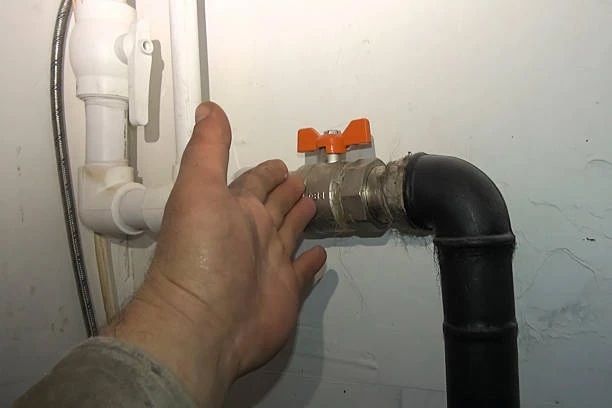
Mini ball valves are vital components in various fluid control systems, offering precise control over liquids and gases. These valves are known for their durability and low maintenance costs, making them ideal for both residential and industrial applications. This article will explore the benefits, features, and key advantages of low maintenance cost mini ball valves, along with practical examples of their use.
1. Understanding Mini Ball Valves
Mini ball valves are compact, durable valves designed to regulate the flow of fluids through pipes. Essentially, they consist of a ball with a hole in the middle. When the valve opens, fluid passes through the hole; when closed, the ball blocks the flow completely. These valves are typically operated manually but can also be automated in specific setups.
The compact design of mini ball valves makes them perfect for systems with limited space. This feature is particularly useful in residential plumbing systems, small industrial machines, and compact HVAC setups. Whether made from stainless steel, brass, or PVC, mini ball valves are designed to offer longevity, dependability, and minimal maintenance.
2. Why Low Maintenance Cost Matters
One of the major reasons mini ball valves are highly valued is their low maintenance cost. Regular maintenance often incurs significant expenses, especially for complex machinery or systems. However, mini ball valves reduce this burden. Their simple, durable design ensures fewer repairs, which directly translates into fewer maintenance-related costs.
For instance, these valves generally require minimal cleaning, lubrication, or part replacements. As a result, users save money by not needing regular professional repairs. The reduced maintenance also leads to fewer system downtimes, ensuring greater operational efficiency. Additionally, the straightforward design makes these valves easier to maintain, even for those with limited technical expertise.
3. Key Materials Used in Mini Ball Valves
The materials used in the construction of mini ball valves significantly influence their maintenance costs. High-quality materials improve the durability of these valves, ultimately reducing the frequency of repairs. Let’s take a look at some common materials used:
- Stainless Steel: Stainless steel is widely used due to its resistance to corrosion and rust. As a result, mini ball valves made from stainless steel perform well in harsh environments without requiring frequent maintenance. Whether in industrial settings or plumbing systems, they offer long-term reliability.
- Brass: Brass valves are commonly used in residential plumbing systems. Brass is durable, corrosion-resistant, and requires minimal upkeep. These valves are affordable and maintain their performance over time, reducing the need for replacements or repairs.
- PVC: For chemical or water handling systems, PVC mini ball valves offer lightweight yet durable performance. PVC valves are resistant to chemicals and are easy to maintain. They are ideal for use in irrigation, water treatment, and non-corrosive environments.
Each material is designed to reduce maintenance needs while providing the necessary durability for specific applications. Choosing the right material ensures fewer service calls, fewer repairs, and ultimately lower maintenance costs.
4. Design Features That Contribute to Low Maintenance Costs
They are known for their simple yet effective design. Fewer moving parts contribute to their low maintenance cost, making them less prone to wear and tear compared to more complex valve types. The ball inside the valve, for example, is often coated with materials like chrome, reducing friction and ensuring smooth operation over time.
Moreover, mini ball valves have well-engineered seals that prevent leaks and maintain their integrity even after prolonged use. These seals are made of high-quality materials such as rubber or PTFE, ensuring they last longer and require less frequent replacement. The robust construction minimizes the chances of valve failure, which would otherwise result in costly repairs.
The straightforward design also ensures ease of installation and maintenance. Even if a component needs replacing, like the ball or seals, the process is simple and doesn’t require specialized tools. This design flexibility further contributes to their low maintenance costs.
5. Benefits of Low Maintenance Cost Mini Ball Valves
The benefits of mini ball valves with low maintenance costs are numerous. These valves help save money, reduce downtime, and improve system performance. Below are some of the major benefits:
- Cost Savings: The most obvious benefit is the reduction in repair and replacement costs. A durable, low-maintenance mini ball valve ensures that you won’t face frequent repairs, which results in savings over time.
- Reliability: These valves are designed to be highly reliable. Because they have fewer moving parts, there is less chance of malfunction or wear. Therefore, they consistently perform well in a variety of applications.
- User-Friendly Operation: Mini ball valves are easy to use. Their simple on/off function makes them intuitive, whether installed in a residential or industrial setting. As a result, they are less prone to damage caused by improper operation.
- Energy Efficiency: With fewer moving parts, mini ball valves cause less friction, meaning they have a lower pressure drop. This contributes to smoother fluid flow, reducing energy consumption and increasing system efficiency.
- Long Lifespan: These valves are designed to last. With minimal maintenance required, they offer a long service life, making them a cost-effective choice in the long run.
6. Common Applications of Low Maintenance Cost Mini Ball Valves
Low maintenance mini ball valves are used in various industries due to their reliability, compactness, and low maintenance requirements. Let’s look at some common applications:
- Residential Plumbing: These valves are perfect for household plumbing systems, where they are used to control water flow in pipes, faucets, and heating systems. The low maintenance cost and ease of operation make them an ideal choice for home use.
- HVAC Systems: In heating, ventilation, and air conditioning (HVAC) systems, mini ball valves regulate the flow of water or refrigerants. Since HVAC systems are typically used frequently, having a low maintenance valve is essential for ensuring reliability and reducing repair costs.
- Water Treatment Facilities: In water treatment plants, mini ball valves control the flow of water through filtration systems. Their low maintenance cost ensures the smooth operation of the treatment processes without interruptions or additional costs for repairs.
- Industrial Processes: Many industrial machines rely on mini ball valves for fluid and gas control. The low-maintenance nature of these valves reduces downtime in factories, saving time and money.
- Irrigation: Irrigation systems benefit from mini ball valves, which provide efficient control over water flow. The simplicity and low-maintenance features are essential for keeping agricultural operations running smoothly.
7. Maintenance Tips for Low Maintenance Cost Mini Ball Valves
While mini ball valves are designed for minimal maintenance, following a few simple practices can help extend their lifespan. Here are some helpful tips:
- Clean Regularly: Regular cleaning prevents debris and buildup from affecting valve performance. A soft brush or cloth is typically sufficient for cleaning the valve body.
- Lubricate When Needed: Apply appropriate lubrication to the valve’s moving parts to reduce friction and ensure smooth operation. This step is especially important for valves that are used frequently.
- Inspect Seals: Regularly check the seals for signs of wear or damage. If the seals show signs of deterioration, replace them promptly to prevent leaks and further damage.
- Check for Leaks: Perform regular leak tests to ensure the valve’s seals are functioning properly. Tighten the valve or replace seals if necessary.
- Proper Operation: Operate the valve according to the manufacturer’s instructions to avoid unnecessary strain on the internal components. Proper operation ensures minimal wear and longer valve life.
8. The Cost Efficiency of Low Maintenance Mini Ball Valves
Low maintenance mini ball valves offer excellent cost efficiency. Over time, the savings from reduced repairs and fewer replacements significantly outweigh the initial investment. For industrial settings, where downtime can be costly, the low-maintenance nature of these valves is crucial for maintaining continuous operations.
In residential applications, mini ball valves provide peace of mind. Homeowners don’t need to worry about frequent repairs or replacements, allowing them to enjoy reliable performance without the burden of high maintenance costs.
9. How to Choose the Right Low Maintenance Mini Ball Valve
Selecting the right mini ball valve is critical to maximizing its benefits. Consider the following factors:
- Material: Choose the material that best suits your application. Stainless steel is ideal for industrial settings, while PVC works well for water-based applications.
- Size: Make sure the valve size matches your system’s requirements. Using an incorrectly sized valve can result in performance issues and increased maintenance needs.
- Application: Always choose a valve that is designed for your specific use. For example, if you need a valve for chemical handling, a PVC ball valve is ideal.
By making informed decisions, you ensure that your mini ball valve performs optimally and requires minimal maintenance.
Conclusion
Mini ball valves with low maintenance costs are an excellent investment for anyone seeking efficient fluid control with minimal upkeep. Their durable construction, simple operation, and cost-effective maintenance make them ideal for both residential and industrial applications. By selecting the right materials, design, and following basic maintenance practices, users can maximize the lifespan and performance of their mini ball valves.
IFAN international standard
IFAN’s HDPE compression fittings and pipes comply with a wide range of international standards, ensuring high performance and global compatibility. These include ASTM D3035 and ASTM D3350 from the United States, ISO 4427 series and EN 12201 series from Europe, DIN 8074/8075 from Germany, GB/T 13663 series from China, AS/NZS 4130 from Australia and New Zealand, JIS K6760 from Japan, BS 6572 from the United Kingdom, and CSA B137.1 from Canada. Adherence to these standards guarantees excellent mechanical properties, chemical resistance, and long-term durability across diverse water supply and industrial applications.
Contact
IFAN is a professional manufacturer with of experience, dedicated to producing high-quality plastic pipes, fittings, and valves. Our products include brass valves, PPR valves, as well as various pipes and fittings to meet different customer needs. Whether you need plumbing and drainage pipes or valve products, IFAN can provide a diverse range of high-quality, cost-effective products to support your projects. Below is our contact information.
We will reply your email or fax within 24 hours.
You can call us at any time if there is any question on our production.
For more information,pls visit our webside https://www.ifanplus.com/
Pls Mailto: [email protected]
Whatsapp: + 86 19857948982























