


Introduction: Managing Costs with Reliable Fittings
Plumbing and irrigation systems require long-lasting, leak-free connections to operate efficiently. Contractors, engineers, and farmers look for materials that reduce costs without sacrificing quality. HDPE (High-Density Polyethylene) compression fittings deliver both affordability and performance. These fittings connect HDPE pipes using mechanical pressure, avoiding the need for glue, welding, or heat fusion.
Every project—whether a farm irrigation system, a municipal water network, or a small garden setup—depends on reliable components. Cost-effective solutions allow businesses to lower overhead while maintaining high system standards. HDPE compression fittings reduce labor costs, shorten installation times, and extend system life. Over time, these benefits add up and create significant savings.
Understanding HDPE Compression Fittings
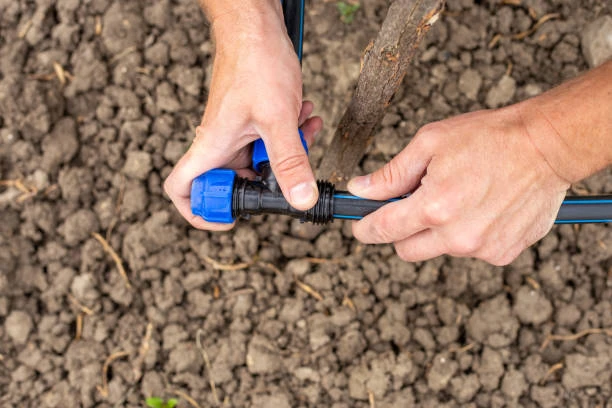
HDPE compression fittings connect two or more HDPE pipes using mechanical force. Each fitting consists of a body, a compression nut, a grip ring, and a sealing ring. Users push the pipe into the fitting and tighten the nut. This action compresses the grip and sealing rings around the pipe, forming a tight, leak-proof connection.
These fittings eliminate the need for expensive tools, heat sources, or curing time. People in remote or rural areas especially benefit from this simplicity. Without external power or skilled labor, they can install or repair pipe systems quickly and affordably.
Material Cost Savings with HDPE
HDPE compression fittings use cost-effective raw materials. Compared to metal or brass fittings, HDPE offers similar durability at a lower price. Manufacturers can produce HDPE parts in large volumes without expensive processing. This production efficiency keeps unit prices low and stable.
Also, HDPE fittings weigh less than metal alternatives. Lower weight reduces transportation costs, especially for large shipments. Construction and agricultural businesses that operate across wide areas can cut logistics expenses by using HDPE.
Labor Cost Advantages
Installation speed significantly affects total project cost. HDPE compression fittings allow workers to connect pipes in minutes. With no glue, welding, or special training required, crews work faster and more efficiently. Employers can hire general laborers instead of certified welders or pipefitters, saving additional money.
Even small teams can handle large installations when using HDPE. On farms or rural water systems, workers complete long pipe runs quickly and return to other tasks sooner. Faster labor means shorter project timelines and fewer payroll hours.
No Special Tools or Power Required
HDPE compression fittings require only basic hand tools. Installers need a wrench and a pipe cutter—tools found in almost every toolbox. In contrast, fusion joints require generators, welding machines, and power outlets. Glue joints need dry conditions and curing time.
HDPE compression fittings eliminate these complications. They function well in rain, wind, or direct sun. Farmers and contractors do not delay work due to weather or electricity problems. That flexibility saves both time and money on site.
Fewer Failures, Lower Maintenance Costs
Leakage, joint failure, and corrosion cause recurring expenses in piping systems. HDPE compression fittings resist these problems better than many traditional fittings. Their design creates strong mechanical seals that last for years. The grip ring locks tightly around the pipe, and the rubber sealing ring prevents leaks.
Because they resist corrosion and wear, HDPE fittings reduce repair frequency. Less downtime and fewer emergency calls translate into cost savings. Agricultural systems that run daily through the growing season benefit from this reliability.
Also, HDPE material resists chemicals and UV radiation. In fertilizer lines or outdoor systems, these properties help extend the life of fittings. Long-lasting performance minimizes the need to replace parts or rework joints.
Easy Disassembly and Reuse
Unlike glued or fused joints, HDPE compression fittings allow disassembly. Workers can unscrew the nut, remove the pipe, and reuse the fitting elsewhere. This feature adds flexibility and reduces waste.
When layouts change or systems expand, users do not need to buy new parts. They can move fittings to different locations and reconnect pipes quickly. This ability to reuse fittings supports long-term cost reduction.
Also, during seasonal operations like farm irrigation, users can dismantle systems after harvest. They store the fittings safely and reinstall them next season. This reduces the need for frequent purchases and provides better return on investment.
Ideal for Small and Large Projects
Contractors often struggle to balance budget and quality. HDPE compression fittings meet both goals. For small projects like home gardens or residential plumbing, these fittings offer quick installation and low cost. Users can complete the job without hiring plumbers or buying equipment.
For large infrastructure projects, savings multiply. When laying hundreds or thousands of meters of pipe, the speed and simplicity of compression fittings make a significant difference. Municipal water systems, plantation irrigation, or industrial cooling lines can all benefit from this efficiency.
Bulk orders of HDPE fittings also reduce price per unit. Contractors who purchase in volume save money and ensure uniform quality across the project.
Reduced Environmental and Disposal Costs
Disposal fees and environmental impact create hidden costs in many industries. HDPE fittings reduce waste because they do not require glue, solvent, or welding rods. They do not emit harmful gases or produce toxic byproducts. This clean installation process lowers environmental compliance costs.
Because workers can reuse the fittings, fewer parts end up in landfills. If a fitting reaches the end of its life, recycling facilities can process HDPE material easily. This supports green initiatives and reduces disposal expenses.
Companies that follow environmental regulations closely will appreciate this advantage. It helps meet sustainability goals while keeping budgets under control.
Comparisons with Other Fitting Types
Fusion Fittings
Fusion fittings require expensive tools, power sources, and trained personnel. They create strong joints but involve higher upfront costs. Repairs take longer and require specialized help. In contrast, HDPE compression fittings offer similar strength without those complications.
Threaded Metal Fittings
Metal fittings can leak or corrode over time. They require sealing tape or compounds, which add labor and material costs. They also weigh more and cost more to ship. HDPE fittings avoid these issues while delivering equal or better performance.
Solvent-Welded Plastic Fittings
Glue-based fittings need dry conditions and precise application. Mistakes can cause joint failure. Also, they cannot be reused. HDPE compression fittings install faster and allow disassembly without damage.
How Projects Benefit Over the Long Term
In the short term, HDPE compression fittings save money on labor and tools. Over the long term, they reduce maintenance, downtime, and replacement part expenses. This combination of benefits supports better budgeting for farms, factories, and municipalities.
When planning multi-year infrastructure or irrigation projects, managers must consider total cost of ownership. HDPE fittings reduce operating costs year after year. They keep systems running with fewer problems, allowing teams to focus on production or service delivery.
Longer life cycles and fewer repairs lower the need for extra inventory. Fewer stored parts reduce warehouse space and stock management costs.
Tips to Maximize Cost Efficiency
- Buy in bulk: Larger orders often qualify for discounts.
- Use proper pipe sizes: Mismatched parts can cause leaks or waste.
- Train workers briefly: A few minutes of instruction avoids mistakes and improves speed.
- Store unused parts properly: Keep them out of sunlight and moisture for longer life.
- Inspect parts before use: Catch defects early to avoid rework.
Following these tips helps users get the best value from every fitting.
Who Uses HDPE Compression Fittings Today?
- Farmers build seasonal or permanent irrigation systems quickly and cheaply.
- Municipalities use them in water supply networks for easy repair access.
- Contractors install them in residential and commercial plumbing without special tools.
- Greenhouse operators create customized layouts with flexible components.
- Industrial users rely on HDPE in low-pressure cooling or chemical lines.
This wide range of applications proves the cost advantages across many industries.
Manufacturers and Global Market Trends
Manufacturers continue to improve HDPE compression fittings with better sealing rings, stronger grips, and faster installation features. These improvements help users reduce labor and improve efficiency even more.
Global demand grows steadily due to urban expansion, farming modernization, and infrastructure development. As prices for energy and raw materials rise, people turn to HDPE for affordability. Suppliers now offer fittings in standard and custom sizes to meet global needs.
Governments and international aid groups also support HDPE systems in clean water projects. These fittings provide reliable solutions in areas with limited resources. Their affordability supports humanitarian and environmental goals.
Conclusion: A Smart Investment for Every System
HDPE compression fittings help users cut costs while building strong, leak-free pipe systems. They reduce material, labor, and maintenance expenses. They eliminate the need for power tools or specialized training.Support reuse and long-term planning.
In agriculture, infrastructure, and industry, these fittings continue to gain popularity. Their flexibility, durability, and low cost make them ideal for nearly every project. By choosing HDPE compression fittings, users make smart decisions that save money today and in the future.
IFAN international standard
IFAN’s HDPE compression fittings and pipes comply with a wide range of international standards, ensuring high performance and global compatibility. These include ASTM D3035 and ASTM D3350 from the United States, ISO 4427 series and EN 12201 series from Europe, DIN 8074/8075 from Germany, GB/T 13663 series from China, AS/NZS 4130 from Australia and New Zealand, JIS K6760 from Japan, BS 6572 from the United Kingdom, and CSA B137.1 from Canada. Adherence to these standards guarantees excellent mechanical properties, chemical resistance, and long-term durability across diverse water supply and industrial applications.
Contact
IFAN is a professional manufacturer with of experience, dedicated to producing high-quality plastic pipes, fittings, and valves. Our products include brass valves, PPR valves, as well as various pipes and fittings to meet different customer needs. Whether you need plumbing and drainage pipes or valve products, IFAN can provide a diverse range of high-quality, cost-effective products to support your projects. Below is our contact information.
We will reply your email or fax within 24 hours.
You can call us at any time if there is any question on our production.
For more information,pls visit our webside https://www.ifanplus.com/
Pls Mailto: [email protected]
Whatsapp: + 86 19857948982























