


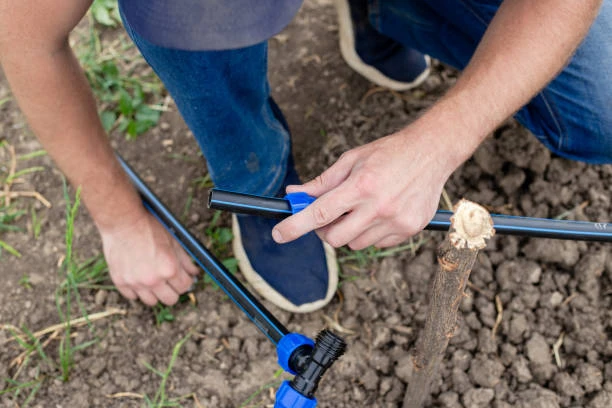
Introduction to Agricultural Irrigation and HDPE Compression Fittings
Farmers around the world depend on effective irrigation systems to deliver water to their crops. In modern agriculture, the quality and reliability of irrigation systems directly affect crop yield and operational efficiency. To ensure smooth water flow and minimal maintenance, farmers use robust piping components that perform well under tough field conditions. HDPE compression fittings serve as essential components in these systems.
HDPE (High-Density Polyethylene) compression fittings connect sections of HDPE pipe in irrigation systems. These fittings create strong, leak-free joints that endure pressure, movement, and environmental changes. Unlike glue or heat-based connections, compression fittings rely on mechanical force. This force ensures a secure connection that stays intact in varied agricultural environments.
Why Farmers Choose HDPE for Irrigation Systems
Farmers value HDPE material because it offers strength, flexibility, and resistance to chemicals. It performs well in the sun, underground, or in wet and dry climates. HDPE pipes and fittings resist cracking and damage from impacts or vibrations. This makes HDPE systems durable and dependable, even in tough agricultural landscapes.
Traditional metal fittings corrode and rust over time. Plastic alternatives like PVC may become brittle in sunlight. HDPE, however, maintains flexibility and strength for many years. Farmers can rely on HDPE compression fittings to reduce downtime and extend the life of their irrigation systems.
How HDPE Compression Fittings Work
HDPE compression fittings work by mechanically compressing the pipe against a sealing surface. This creates a tight and reliable connection. The fittings include several components: the body, compression nut, grip ring, and sealing ring (usually rubber or elastomer). When a user inserts a pipe and tightens the compression nut, the grip ring locks the pipe in place. The sealing ring prevents leaks by forming a water-tight barrier around the pipe.
The mechanical nature of these fittings means farmers can install them without special tools or heat. This makes repairs and installations faster and more convenient. If a pipe breaks or needs extension, the farmer simply inserts a new pipe section and tightens the fitting.
Installing HDPE Compression Fittings in Irrigation Systems
Farmers follow several steps when installing HDPE compression fittings. First, they measure and cut the HDPE pipe to the desired length. They ensure the pipe end is smooth and square to prevent sealing issues. Then, they loosen the compression nut on the fitting and insert the pipe.
Next, they tighten the compression nut by hand or with a wrench. The tightening process causes the grip ring and sealing ring to compress around the pipe. This forms a secure, leak-proof connection that withstands pressure and movement.
The process takes just a few minutes per joint. Unlike glued or welded fittings, compression joints allow disconnection and reuse. Farmers can change the layout of their irrigation systems without wasting fittings or pipe.
Advantages of Using HDPE Compression Fittings in Agriculture
Quick and Easy Installation
HDPE compression fittings do not require glue, welding, or electricity. Farmers install them easily by hand, even in remote areas. This saves time during setup and repair work. During peak planting and growing seasons, this speed proves valuable.
Reusability and Flexibility
Unlike glued joints, compression fittings allow farmers to dismantle and reuse components. When they expand or adjust irrigation layouts, they do not need to buy new parts. They simply reuse the existing fittings with new pipe sections.
High Resistance to Environmental Stress
Agricultural systems face sunlight, rain, wind, soil movement, and mechanical pressure from equipment. HDPE compression fittings resist these stresses without cracking, leaking, or deforming. They maintain function over many seasons, reducing maintenance costs and crop disruption.
Compatibility with HDPE Pipe Sizes
HDPE compression fittings come in many sizes to match common pipe dimensions. This makes them suitable for both small-scale gardens and large commercial farms. Farmers can use them for drip irrigation, sprinkler lines, or main supply pipelines.
Strong Leak-Free Performance
HDPE compression fittings handle internal pressure and flow fluctuations well. When irrigation pumps start and stop, pressure surges can occur. These fittings absorb the pressure without leaking. This ensures consistent water delivery to crops.
Applications in Various Agricultural Settings
Drip Irrigation Systems
Drip irrigation systems deliver water directly to plant roots. They reduce water waste and improve plant health. These systems use small-diameter HDPE tubing and compression fittings to create long rows of emitters. Farmers use tees, elbows, and couplers to build precise layouts with these fittings.
Because drip irrigation works with lower pressure, HDPE compression fittings perform very well. They remain sealed and strong for many seasons. Even under direct sunlight, they resist UV degradation and keep the system leak-free.
Sprinkler Systems
Sprinkler systems require higher flow rates and more robust components. HDPE compression fittings join the larger diameter pipes that supply water to sprinklers. These systems experience more pressure variation. Yet, compression fittings handle it effectively.
Farmers use elbows and tees to route water around fields. They use end caps and valves for control and maintenance. All of these components work together to create a flexible and efficient irrigation layout.
Greenhouses and Nurseries
In greenhouses, plants need precise watering schedules and gentle flow rates. HDPE compression fittings help build systems that match these needs. Growers use small-diameter pipes and fittings to supply water across benches and growing trays. The flexibility of HDPE allows them to move lines easily when changing crop arrangements.
Compression fittings in greenhouses need to seal tightly while allowing frequent adjustments. Because these fittings do not rely on heat or glue, they meet this demand. Growers can make quick changes without disrupting other plants.
Large-Scale Field Irrigation
Large farms often use extensive underground pipe networks to deliver water across wide fields. HDPE compression fittings allow quick repairs and extensions without shutting down the entire system. When tractors or plows damage a pipe, workers can quickly install a replacement using compression fittings.
The high-pressure resistance of these fittings ensures reliable performance over long distances. They reduce downtime, minimize water loss, and increase overall productivity.
Tips for Maintaining HDPE Compression Fittings
Farmers should follow a few guidelines to ensure long-lasting performance:
- Always cut pipe ends straight and remove burrs.
- Do not overtighten the compression nut. Hand-tight or light wrench-tight usually works.
- Check for dirt or debris inside the fitting before assembly.
- Store unused fittings away from direct sunlight.
- Inspect seals periodically and replace worn ones if needed.
Following these steps will prevent leaks, ensure strong connections, and reduce repair costs over time.
Choosing the Right HDPE Compression Fittings
Manufacturers produce HDPE compression fittings in many shapes and sizes. Farmers should choose the correct type based on the irrigation layout and water pressure. Common fitting types include:
- Couplings: Straight connections between two pipe sections.
- Elbows: 90-degree or 45-degree turns in the pipe layout.
- Tees: Branches that split one line into two directions.
- End Caps: Closures at the end of a pipe.
- Adapters: Connections between different pipe types or sizes.
Before purchasing, farmers should consider the pressure rating, diameter, and environmental conditions. Reliable suppliers provide fittings that meet international standards and resist UV damage, pressure, and chemicals.
Comparing HDPE Compression Fittings to Other Options
HDPE compression fittings offer clear advantages over traditional connection methods. Glue-based joints often fail under movement or sun exposure. Metal fittings corrode in wet soil or harsh chemicals. Heat fusion joints require special equipment and training. In contrast, compression fittings need only simple tools.
They allow flexibility during installation and repair. Farmers can rotate pipes, adjust angles, or change directions without cutting or welding. This flexibility makes them ideal for changing crop patterns or expanding farm operations.
The Future of HDPE Compression Fittings in Agriculture
As climate change affects water availability, farmers must use water more efficiently. HDPE compression fittings support this goal by enabling precise irrigation systems. Drip and sprinkler systems with HDPE components reduce waste and improve yield. As farming practices evolve, HDPE fittings will continue to support innovation.
Manufacturers continue to improve materials, shapes, and sealing methods. New designs offer higher pressure ratings and quicker installation. These innovations help farmers build smarter, more sustainable irrigation systems.
Conclusion
HDPE compression fittings play a vital role in modern agricultural irrigation. They provide farmers with reliable, easy-to-use solutions for building and maintaining water delivery systems. Their strength, flexibility, and resistance to pressure and weather make them ideal for a wide range of applications. Farmers can install them quickly, reuse them as needed, and trust them to last for many seasons.
By choosing HDPE compression fittings, agricultural professionals reduce system downtime, improve water efficiency, and increase crop productivity. As farming technology advances, these fittings will remain essential components in the future of irrigation.
IFAN international standard
IFAN’s HDPE compression fittings and pipes comply with a wide range of international standards, ensuring high performance and global compatibility. These include ASTM D3035 and ASTM D3350 from the United States, ISO 4427 series and EN 12201 series from Europe, DIN 8074/8075 from Germany, GB/T 13663 series from China, AS/NZS 4130 from Australia and New Zealand, JIS K6760 from Japan, BS 6572 from the United Kingdom, and CSA B137.1 from Canada. Adherence to these standards guarantees excellent mechanical properties, chemical resistance, and long-term durability across diverse water supply and industrial applications.
Contact
IFAN is a professional manufacturer with of experience, dedicated to producing high-quality plastic pipes, fittings, and valves. Our products include brass valves, PPR valves, as well as various pipes and fittings to meet different customer needs. Whether you need plumbing and drainage pipes or valve products, IFAN can provide a diverse range of high-quality, cost-effective products to support your projects. Below is our contact information.
We will reply your email or fax within 24 hours.
You can call us at any time if there is any question on our production.
For more information,pls visit our webside https://www.ifanplus.com/
Pls Mailto: [email protected]
Whatsapp: + 86 19857948982























