


Introduction
HDPE compression fittings are critical for maintaining secure, pressure-resistant connections in piping systems. They are widely used in water, gas, and industrial systems. Their ability to withstand high pressure ensures system efficiency and safety. This article explains how HDPE compression fittings resist pressure and perform in various applications.
Understanding Pressure Resistance
Pressure resistance refers to a material’s ability to handle internal or external forces without failing. In piping systems, pressure is generated by the flow of liquids or gases. If pressure exceeds the fitting’s capacity, leaks or ruptures can occur. This can lead to safety hazards or costly repairs.
HDPE compression fittings are designed to handle high pressures. Their strong yet flexible material helps prevent failure. The fittings’ design also aids in pressure distribution. These fittings ensure long-lasting, leak-free performance, even under extreme conditions.
Role of HDPE Material in Pressure Resistance
HDPE, or High-Density Polyethylene, is known for its strength, flexibility, and chemical resistance. These qualities make it ideal for high-pressure systems. HDPE has a dense molecular structure that enhances its ability to resist pressure without cracking or breaking. This structure also gives it resistance to impact and stress cracking.
HDPE also resists corrosion, which is important in high-pressure systems exposed to chemicals or moisture. As a result, HDPE compression fittings maintain their pressure resistance over time. They offer reliable performance without degrading under pressure, making them a preferred choice for piping systems.
Design Features of HDPE Compression Fittings
Several key design features contribute to the pressure resistance of HDPE compression fittings. These features include:
- Grip Rings: These secure the pipe and prevent slippage under pressure. Made of high-strength materials, they ensure a firm hold.
- Seals: Elastomeric O-rings or rubber seals create tight, leak-free connections. They help maintain the pressure resistance of the system.
- Thrust Rings: Thrust rings distribute pressure evenly, preventing localized stress that could cause failure. This ensures the fitting remains intact.
- Compression Nuts: When tightened, the compression nut secures the fitting components, providing a tight, pressure-resistant seal.
These design features work together to ensure the fitting maintains a strong, leak-free connection under high pressure.
Pressure Resistance in Different Applications
HDPE compression fittings are used in various industries. These industries rely on the fittings’ ability to withstand high pressures in different environments.
Water Supply Systems
Water supply systems experience constant pressure. HDPE compression fittings ensure these systems remain intact and efficient. They resist pressure variations caused by factors like water hammer. The fittings can handle both constant and fluctuating pressures. This flexibility ensures water systems run smoothly, reducing the risk of failure.
Water distribution systems can face pressure surges or drops. HDPE fittings can adapt to these fluctuations, preventing leaks. This ensures a steady, safe water supply to users.
Gas Transportation Systems
Gas transportation systems often deal with high pressures. HDPE compression fittings are used in these systems due to their ability to handle such pressures. They also resist corrosion, making them ideal for gas pipelines that transport various fluids. Even small leaks in gas systems can be dangerous, so the pressure resistance of HDPE fittings is crucial.
HDPE compression fittings ensure the system remains leak-free. Their flexibility allows them to handle pressure changes without failure. The fittings perform well in these demanding environments, ensuring safe gas transportation.
Agricultural Irrigation Systems
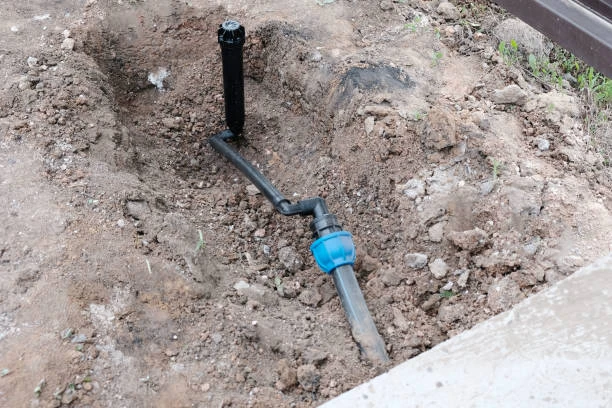
In agricultural irrigation systems, water pressure must remain steady for efficient crop watering. HDPE compression fittings provide reliable, leak-free connections even under high pressure. These fittings ensure consistent pressure, which is vital for large-scale irrigation.
The fittings also remain flexible, allowing them to adjust to temperature changes or soil shifts. This ability prevents the fittings from breaking or leaking under pressure changes, ensuring uninterrupted irrigation.
Industrial Applications
HDPE compression fittings are also used in industrial applications. These systems often transport chemicals, oils, or other liquids under high pressure. HDPE fittings are perfect for these environments due to their pressure resistance and durability.
The chemical resistance of HDPE ensures that the fittings do not degrade over time. They remain intact and continue to resist pressure, even when exposed to harsh chemicals or fluctuating temperatures.
Advantages of HDPE Compression Fittings
HDPE compression fittings offer several advantages over traditional metal fittings. These advantages include:
- Corrosion Resistance: HDPE does not corrode like metal, ensuring long-term performance without degradation.
- Easy Installation: HDPE compression fittings are easy to install, saving time and reducing labor costs.
- Durability: HDPE fittings last longer under pressure and harsh conditions compared to metal fittings.
- Cost-Effectiveness: HDPE fittings are often more affordable than metal fittings, making them an economical choice.
- Environmental Benefits: HDPE is recyclable, offering an environmentally friendly solution. Its long service life reduces the need for frequent replacements.
Conclusion
HDPE compression fittings provide excellent pressure resistance. Their material properties and design features ensure reliable performance in a variety of applications. These fittings excel in water, gas, and industrial systems. HDPE’s flexibility, strength, and resistance to corrosion make it ideal for handling high-pressure conditions. As industries demand more durable and sustainable solutions, HDPE compression fittings will continue to be an important choice in piping systems worldwide.
IFAN international standard
IFAN’s HDPE compression fittings and pipes comply with a wide range of international standards, ensuring high performance and global compatibility. These include ASTM D3035 and ASTM D3350 from the United States, ISO 4427 series and EN 12201 series from Europe, DIN 8074/8075 from Germany, GB/T 13663 series from China, AS/NZS 4130 from Australia and New Zealand, JIS K6760 from Japan, BS 6572 from the United Kingdom, and CSA B137.1 from Canada. Adherence to these standards guarantees excellent mechanical properties, chemical resistance, and long-term durability across diverse water supply and industrial applications.
Contact
IFAN is a professional manufacturer with of experience, dedicated to producing high-quality plastic pipes, fittings, and valves. Our products include brass valves, PPR valves, as well as various pipes and fittings to meet different customer needs. Whether you need plumbing and drainage pipes or valve products, IFAN can provide a diverse range of high-quality, cost-effective products to support your projects. Below is our contact information.
We will reply your email or fax within 24 hours.
You can call us at any time if there is any question on our production.
For more information,pls visit our webside https://www.ifanplus.com/
Pls Mailto: [email protected]
Whatsapp: + 86 19857948982























