


Introduction
HDPE (High-Density Polyethylene) compression fittings connect pipes through mechanical force rather than welding or adhesive bonding. These fittings serve water supply systems, irrigation networks, and industrial pipelines. Their simple assembly and durable performance make them ideal for installations in the field. Installers can connect pipes without electricity, heat sources, or curing time. This article explains how HDPE compression fittings function and highlights each component’s role during installation and operation.
Main Components of HDPE Compression Fittings
Fitting Body
The fitting body forms the main structure of the compression fitting. Manufacturers mold this part from polypropylene or other engineering plastics. The inner chamber holds the sealing and gripping components. This design keeps all parts aligned during installation. Some fitting bodies include a built-in stop to guide pipe insertion and prevent over-insertion. The body must withstand internal pressure and external stress, especially in buried or high-flow systems. Its durability determines the fitting’s long-term performance.
Grip Ring
The grip ring holds the pipe in place after installation. This ring often contains sharp teeth made from acetal resin or metal. These teeth dig into the pipe’s outer wall when installers tighten the nut. The grip ring prevents pipe slippage caused by internal pressure, flow surges, or vibration. It also supports axial loads. In some designs, the grip ring allows disassembly and reuse. The grip ring plays a key role in system stability.
Thrust Ring
The thrust ring sits between the grip ring and the sealing ring. It transfers the nut’s compression force evenly across the internal components. The thrust ring protects the sealing ring from damage caused by uneven pressure. It also helps the grip ring move into position. Engineers use strong, non-deforming plastics to manufacture thrust rings. This ring maintains its shape under pressure, ensuring consistent sealing over time.
Sealing Ring
The sealing ring, often made from EPDM or NBR rubber, ensures a watertight connection. Installers compress this ring between the pipe and the fitting body during assembly. The rubber deforms and creates a tight radial seal. This seal blocks leaks even when pressure or temperature changes occur. The sealing ring resists aging, chemicals, and fluid movement. In some fittings, manufacturers use dual seals for added reliability.
Compression Nut
The compression nut secures all components in place. When tightened, it pushes the grip ring and sealing ring against the pipe. This process creates the grip and seal. The nut must apply strong, even force without cracking. Manufacturers design nuts with thick walls and large gripping surfaces. In some models, torque markings or stops guide installers during tightening. A well-made compression nut improves installation speed and joint reliability.
How the Compression Mechanism Works
Compression Assembly Process
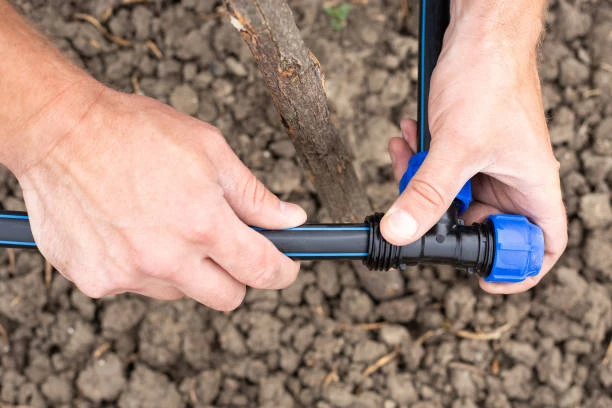
To connect an HDPE pipe using compression fittings, installers push the pipe into the fitting body. Then, they screw the compression nut onto the body. This action pushes the thrust ring, grip ring, and sealing ring forward. The grip ring locks onto the pipe. The sealing ring compresses tightly between the pipe and fitting wall. This simple process takes only minutes, requires no glue or heat, and works in tight or remote spaces.
Radial Sealing Function
The sealing ring creates a radial seal between the pipe and fitting. Installers compress the rubber against both surfaces. This pressure blocks fluid from escaping around the pipe. The sealing ring functions well with smooth pipe surfaces. Dirt or roughness may weaken the seal, so pipe preparation plays a vital role. The radial sealing system performs reliably under pressure, movement, and temperature changes.
Axial Locking Effect
The grip ring prevents pipe pullout by biting into the pipe wall. Its teeth anchor the pipe in place when the system experiences pressure spikes or temperature shifts. Axial locking holds the pipe firmly even during vibration or expansion. This mechanical grip removes the need for bonding materials or welding. The ring, thrust ring, and nut all work together to maintain a solid connection.
Step-by-Step Installation Guide
Step 1: Cut the Pipe
Use a pipe cutter to make a clean, straight cut. A square edge ensures full contact with the sealing ring and grip ring. Avoid saws that leave jagged or angled cuts.
Step 2: Clean the Pipe
Wipe the pipe surface with a clean cloth. Remove dirt, dust, and oil. A clean pipe ensures better grip and sealing performance.
Step 3: Prepare the Fitting
Unscrew the nut and remove internal parts if needed. Slide the nut, grip ring, thrust ring, and sealing ring onto the pipe in the correct order. Position them close to the pipe end.
Step 4: Insert the Pipe
Push the pipe fully into the fitting body until it reaches the internal stop. Full insertion ensures that all rings align properly.
Step 5: Tighten the Nut
Turn the nut by hand first. Then use a wrench to tighten it further. Follow the manufacturer’s torque recommendation. Do not overtighten, as this may damage components.
Step 6: Inspect for Leaks
After tightening, pressurize the system and check the joint. If water appears around the fitting, shut off the system, disassemble, clean, and reassemble carefully.
Pressure and Performance Factors
Pressure Handling
Most HDPE compression fittings handle pressures up to 16 bar (232 psi). The pressure rating depends on the fitting size, design, and material. Select a fitting that matches the application’s maximum pressure.
Torque Accuracy
Installers should apply correct torque during assembly. Too little torque may cause leaks. Too much may damage internal parts. Some fittings include indicators or wrenches with torque settings to guide installers.
Benefits of HDPE Compression Fittings
Easy Installation
Installers can connect pipes quickly without glue, welding, or drying time. This saves labor and reduces equipment needs.
Reusability
Compression fittings allow disassembly and reuse. This makes them ideal for temporary setups or systems that may need frequent changes.
High Durability
These fittings resist corrosion, UV radiation, and many chemicals. They work well in buried installations and outdoor conditions.
Broad Application
HDPE compression fittings suit water supply, drainage, irrigation, and even low-pressure gas lines. Their flexibility makes them suitable for many industries.
Reliable Sealing
With a strong radial seal and axial grip, these fittings hold tight under pressure. They prevent leaks and withstand movement over time.
Conclusion
HDPE compression fittings use mechanical force to form strong, leak-proof connections without fusion or adhesives. Each component—the body, grip ring, thrust ring, sealing ring, and nut—plays a vital role in sealing and locking the pipe in place. Their ease of use, high durability, and flexible application make them ideal for both temporary and permanent installations. With proper installation and pipe preparation, these fittings perform reliably under pressure and environmental stress. Professionals across agriculture, municipal infrastructure, and construction continue to trust HDPE compression fittings for fast, secure connections.
IFAN international standard
IFAN’s HDPE compression fittings and pipes comply with a wide range of international standards, ensuring high performance and global compatibility. These include ASTM D3035 and ASTM D3350 from the United States, ISO 4427 series and EN 12201 series from Europe, DIN 8074/8075 from Germany, GB/T 13663 series from China, AS/NZS 4130 from Australia and New Zealand, JIS K6760 from Japan, BS 6572 from the United Kingdom, and CSA B137.1 from Canada. Adherence to these standards guarantees excellent mechanical properties, chemical resistance, and long-term durability across diverse water supply and industrial applications.
Contact
IFAN is a professional manufacturer with of experience, dedicated to producing high-quality plastic pipes, fittings, and valves. Our products include brass valves, PPR valves, as well as various pipes and fittings to meet different customer needs. Whether you need plumbing and drainage pipes or valve products, IFAN can provide a diverse range of high-quality, cost-effective products to support your projects. Below is our contact information.
We will reply your email or fax within 24 hours.
You can call us at any time if there is any question on our production.
For more information,pls visit our webside https://www.ifanplus.com/
Pls Mailto: [email protected]
Whatsapp: + 86 19857948982























