


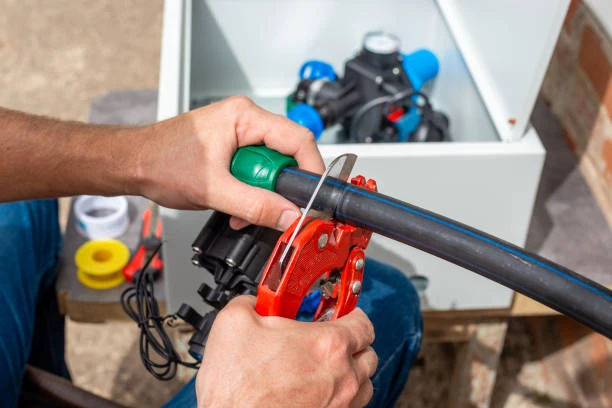
Irrigation plays a vital role in modern agriculture. As water becomes scarcer and the need for efficient irrigation systems grows, farmers and engineers increasingly choose sustainable materials. High-Density Polyethylene (HDPE) has become a preferred material for irrigation pipes due to its durability, chemical resistance, and recyclability. In this article, we will explore the benefits, applications, and environmental advantages of recyclable HDPE irrigation pipes.
What is HDPE?
High-Density Polyethylene (HDPE) is a thermoplastic polymer made from petroleum. Its molecular structure gives it exceptional strength and resistance to various environmental factors. These properties make HDPE an ideal material for piping systems. HDPE boasts a high strength-to-density ratio, contributing to its durability, resistance to impact, and immunity to corrosion and chemical degradation. Today, HDPE pipes have widespread use in water distribution, sewer systems, gas pipelines, and increasingly in irrigation systems.
The use of HDPE in irrigation pipes has surged due to its ability to endure harsh environmental conditions, its long lifespan, and its recyclability. With increasing attention to sustainability, recyclable HDPE irrigation pipes offer an effective solution for modern agricultural needs.
The Importance of Irrigation in Agriculture
Irrigation ensures crops receive a steady supply of water, which supports healthy growth and maximizes yields. In regions with scarce water or irregular rainfall, irrigation systems are crucial for crop survival. However, traditional irrigation systems often rely on materials that degrade over time, leading to higher maintenance costs and environmental damage.
As agriculture modernizes, farmers and engineers now prioritize advanced materials like HDPE to improve irrigation systems’ performance and durability. By using recyclable HDPE irrigation pipes, they can address operational challenges and reduce the environmental impact of irrigation systems.
Advantages of Recyclable HDPE Irrigation Pipes
- Durability and Longevity
Recyclable HDPE pipes last for several decades, significantly reducing the need for frequent replacements. This durability makes HDPE pipes cost-effective over time, as farmers do not need to replace them as often as traditional materials. - Resistance to Environmental Factors
HDPE pipes resist UV radiation, extreme temperatures, and soil chemicals. These properties ensure that the pipes stay intact and functional, even under harsh weather conditions. As a result, recyclable HDPE pipes require minimal maintenance, offering reliable performance for many years. - Chemical Resistance
Irrigation systems often transport water mixed with fertilizers, pesticides, or other chemicals. HDPE pipes resist chemical corrosion, which helps prolong their lifespan. Additionally, HDPE pipes reduce the risk of water contamination, keeping agricultural water safe for crops. - Flexibility and Strength
HDPE pipes combine flexibility with strength, making them suitable for various irrigation designs. The ability to bend and shape the pipes allows farmers to configure irrigation systems to fit their specific needs. This flexibility reduces the need for additional joints and fittings, simplifying installation. HDPE pipes also handle pressure fluctuations and external impacts with ease. - Low Maintenance Requirements
Unlike traditional materials such as metal or concrete, HDPE does not corrode or scale over time. As a result, HDPE pipes require minimal inspections and repairs, which lowers maintenance costs. Farmers can save on labor and repair costs, making HDPE pipes a more efficient choice. - Environmental Benefits
Recyclable HDPE pipes offer significant environmental advantages. HDPE is 100% recyclable, meaning that farmers can reuse the material at the end of its service life. This reduces plastic waste and promotes a circular economy, helping to reduce the environmental impact of agriculture. - Cost-Effectiveness
Although HDPE pipes may have a slightly higher initial cost compared to traditional materials, their longevity and low maintenance requirements result in long-term cost savings. Their durability and efficiency offer great value to both small and large agricultural operations.
How Recyclable HDPE Pipes Benefit the Environment
The use of recyclable HDPE pipes plays a crucial role in reducing the environmental footprint of irrigation systems. Several factors make HDPE pipes an eco-friendly option:
- Reduced Plastic Waste
Traditional irrigation pipes often end up in landfills at the end of their lifespan. In contrast, HDPE is fully recyclable. Farmers can repurpose old pipes into new products or recycle them into new pipes. This helps minimize plastic waste and supports sustainable agricultural practices. - Lower Carbon Footprint
HDPE pipes are lightweight, reducing transportation costs and energy consumption. The materials used to manufacture HDPE pipes have a smaller environmental impact than alternatives like metal or concrete. This reduction in carbon emissions contributes to global efforts to fight climate change. - Reduction in Water Loss
One of the major challenges in irrigation systems is water loss due to pipe leaks or inefficiencies. HDPE pipes minimize leakage, reducing water wastage. By improving water efficiency, HDPE pipes conserve water, a precious resource for agriculture. - Non-Toxic Material
HDPE is non-toxic, meaning it does not leach harmful chemicals into the water. This is especially important in agriculture, where water used for irrigation must remain safe for crops. The use of non-toxic materials ensures that soil health is not compromised. - Energy Savings
The flexibility and durability of HDPE pipes mean farmers use less energy during installation and maintenance. This reduction in energy consumption helps lower the overall environmental impact of irrigation systems.
Applications of Recyclable HDPE Irrigation Pipes
Recyclable HDPE pipes have various applications in agriculture. Some of the most common uses include:
- Drip Irrigation Systems
Drip irrigation delivers water directly to the roots of plants, reducing water wastage. HDPE pipes suit this system because they can be customized to meet specific irrigation needs. The flexibility and strength of HDPE pipes allow for precise control over water flow, improving crop yields and conserving water. - Sprinkler Systems
HDPE pipes are perfect for sprinkler irrigation systems, which are common in larger agricultural fields. The pipes’ resistance to environmental stressors and ability to handle high-pressure water make them an ideal choice for these systems. - Underground Irrigation
HDPE pipes perform well in underground irrigation systems, which require durability and resistance to pressure. The pipes maintain efficient water distribution and ensure that irrigation systems remain operational for years. - Agricultural Greenhouses
In greenhouses, where controlled water delivery is essential, HDPE pipes provide reliable performance. Their durability and resistance to harsh conditions make them ideal for maintaining moisture levels necessary for plant growth. - Landscape Irrigation
HDPE pipes also serve landscape irrigation systems for residential and commercial properties. The pipes’ low-maintenance nature and resistance to UV radiation ensure that they endure outdoor conditions and deliver water efficiently.
The Future of Recyclable HDPE Irrigation Pipes
As demand for sustainable and cost-effective irrigation systems rises, the adoption of recyclable HDPE pipes is expected to increase. Advances in recycling technologies will further enhance the sustainability of HDPE pipes, making it easier to repurpose and recycle the material. Additionally, the growing emphasis on water conservation and environmental protection will drive more farmers to choose HDPE pipes for their irrigation needs.
The future of agriculture depends on adopting efficient and sustainable solutions. Recyclable HDPE pipes provide an excellent option for reducing the environmental impact of irrigation systems while improving water efficiency and supporting crop growth.
Conclusion
Recyclable HDPE irrigation pipes offer many advantages, from durability and chemical resistance to environmental benefits. These pipes provide long-term cost savings and contribute to sustainable agriculture by reducing waste and conserving water. As the agricultural sector faces increasing challenges related to water scarcity and environmental concerns, recyclable HDPE pipes offer a smart solution.
Farmers, engineers, and environmental advocates recognize the potential of recyclable HDPE irrigation pipes to support sustainable practices in agriculture. As agricultural technology continues to evolve, these pipes will play a critical role in creating more efficient and eco-friendly irrigation systems.
IFAN international standard
IFAN’s HDPE products comply with various international standards, ensuring quality, durability, and reliability. These standards include ASTM D3035 and ASTM D3350, which define specifications for polyethylene (PE) pipes and materials. The ISO 4427 and EN 12201 series set global benchmarks for PE pipes used in water supply systems. Additionally, DIN 8074/8075 and GB/T 13663 establish performance and dimension requirements for HDPE pipes in European and Chinese markets. Other recognized standards, such as AS/NZS 4130 (Australia/New Zealand), JIS K6760 (Japan), BS 6572 (UK), and CSA B137.1 (Canada), further demonstrate IFAN’s commitment to meeting industry regulations worldwide.
Contact
IFAN is a professional manufacturer with of experience, dedicated to producing high-quality plastic pipes, fittings, and valves. Our products include brass valves, PPR valves, as well as various pipes and fittings to meet different customer needs. Whether you need plumbing and drainage pipes or valve products, IFAN can provide a diverse range of high-quality, cost-effective products to support your projects. Below is our contact information.
We will reply your email or fax within 24 hours.
You can call us at any time if there is any question on our production.
For more information,pls visit our webside https://www.ifanplus.com/
Pls Mailto: [email protected]
Whatsapp: + 86 19857948982























