


In modern agriculture, efficiency plays a vital role in ensuring crops get the required amount of water in a timely and effective manner. Among the various types of pipes available, HDPE (High-Density Polyethylene) pipes stand out as one of the most reliable and cost-effective solutions. These pipes offer numerous benefits, especially when it comes to saving time at every stage of the irrigation process, from installation to long-term use. This article highlights how HDPE pipes save time, focusing on their quick installation, low maintenance needs, and efficient water delivery.
1. What Are HDPE Irrigation Pipes?
Before diving into how these pipes save time, let’s first understand what makes HDPE pipes an excellent choice for irrigation systems. HDPE pipes consist of high-density polyethylene, a flexible, durable thermoplastic material. Farmers and agricultural engineers appreciate these pipes for their strength, corrosion resistance, and long lifespan. They are available in various sizes, making them suitable for a wide range of irrigation setups.
Because of their flexibility and strength, HDPE pipes perform well in diverse terrains, whether on flat land or hilly fields. These pipes resist UV radiation and harsh environmental conditions, making them durable in areas with prolonged sunlight exposure. Additionally, the smooth inner surface of these pipes helps reduce friction, allowing water to flow efficiently.
2. Fast and Efficient Installation
The speed of installation is one of the most notable time-saving advantages of HDPE pipes. Installing traditional pipes often involves extensive labor and time due to the complexity of joints, fittings, and heavier materials. In contrast, HDPE pipes are significantly easier and faster to install.
2.1. Simple Setup
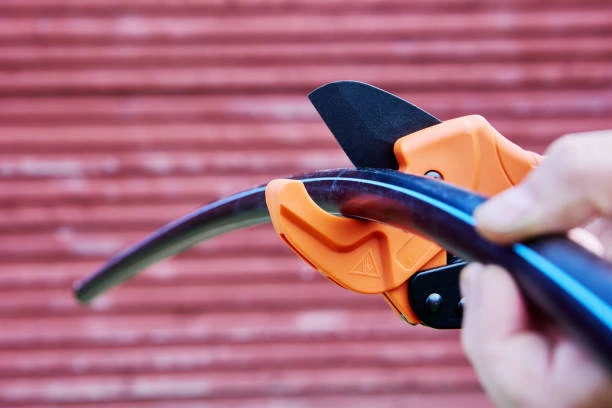
Traditional pipes often require cutting and fitting each piece to the correct length, which can extend the installation time. HDPE pipes, however, often come in continuous coils, which can easily be unrolled and cut to the necessary length. This reduces preparation time and eliminates the need for specialized tools.
2.2. Fewer Fittings and Connections
Another significant time-saving aspect of HDPE pipes is their ability to navigate obstacles without requiring additional joints. Due to their flexibility, HDPE pipes can bend around obstacles and contours of the land. Traditional pipes, by comparison, need numerous fittings and connections to turn corners or avoid obstacles. Each joint or fitting increases installation time and introduces potential failure points in the system.
Using HDPE pipes means fewer connections, which translates to quicker installation. The reduced need for fittings ensures that water flows more efficiently, and the system has fewer potential leak points.
2.3. Lightweight and Easier Handling
The lightweight nature of HDPE pipes makes handling and installation much easier. Traditional pipes made from materials such as concrete or steel are heavier and require more labor to install. These heavy pipes often slow down the process and require multiple workers to lift, position, and join them.
On the other hand, HDPE pipes are easy to carry and manipulate, which helps workers complete the installation much faster. This advantage reduces both installation time and labor costs.
3. Reduced Maintenance and Downtime
Once installed, HDPE pipes provide significant time savings by requiring less maintenance. These pipes last longer and are less prone to damage compared to pipes made from other materials. This durability reduces the amount of time spent on repairs or replacements.
3.1. Fewer Repairs
HDPE pipes are highly resistant to corrosion, cracking, and chemical damage. These features mean farmers rarely need to replace or repair HDPE pipes over time. Traditional pipes, on the other hand, may corrode or deteriorate, requiring frequent repairs. Farmers save time because they do not need to spend valuable hours on maintenance and repairs.
3.2. Reduced Leaks and Blockages
Traditional pipes often suffer from leaks and blockages, which can interrupt the flow of water and lead to time-consuming repairs. HDPE pipes, due to their smooth inner surface, significantly reduce the risk of clogs and leaks. This minimizes the time spent on inspecting and fixing irrigation systems. Farmers don’t have to deal with constant interruptions caused by system failures.
3.3. Self-Cleaning Properties
HDPE pipes have self-cleaning properties due to their smooth inner surface, which helps reduce the buildup of debris or sediment. Traditional pipes may require cleaning more often, as they are prone to clogs. With HDPE pipes, the reduced need for cleaning means that farmers spend less time maintaining their irrigation systems, making them more productive.
4. Efficient Water Delivery
HDPE pipes not only save time during installation and maintenance but also improve the efficiency of water delivery to crops. Efficient water delivery reduces the amount of time farmers spend adjusting the system or managing irrigation schedules.
4.1. Consistent Water Flow
HDPE pipes feature a low friction coefficient, allowing water to flow smoothly and consistently through the pipes. Other types of pipes may cause water to slow down or pool due to increased friction or blockages. With HDPE pipes, water travels efficiently from the source to the crops, ensuring that water distribution remains consistent. This improves irrigation efficiency and saves time that would otherwise be spent adjusting the system or troubleshooting issues.
4.2. Reduced Water Waste
In traditional irrigation systems, water waste often occurs due to improper delivery, which can lead to overwatering and increased costs. HDPE pipes, however, provide precise water delivery to crops, minimizing waste. By delivering water more accurately, HDPE pipes help farmers use water more efficiently and reduce the time spent adjusting irrigation schedules. With the ability to minimize water waste, these pipes ensure that irrigation systems run more effectively and require less management.
5. Long-Term Time Savings
In addition to offering immediate time-saving benefits, HDPE pipes deliver long-term advantages as well. HDPE pipes typically last for several decades without the need for frequent replacements or repairs. This long lifespan means farmers spend less time managing their irrigation systems over the years.
5.1. Durability Leads to Less Work
HDPE pipes require minimal maintenance over their lifetime. The durability of these pipes means that farmers do not need to worry about frequent failures or replacements. With traditional pipes, farmers often have to deal with corrosion or leaks, resulting in more downtime and more time spent on repairs. HDPE pipes significantly reduce these issues, saving valuable time over the years.
5.2. Reduced System Failures
HDPE pipes also help reduce the chance of system failures, which can cause costly delays in irrigation. Unlike older systems that may require constant attention, HDPE pipes maintain consistent performance. As a result, farmers spend less time troubleshooting, making these pipes a long-term investment that saves both time and money.
6. Conclusion
HDPE irrigation pipes offer substantial time-saving benefits for farmers and agricultural operations. These pipes provide faster installation, lower maintenance, and more efficient water delivery, all of which contribute to time savings. Whether during the installation phase, while maintaining the system, or through efficient water management, HDPE pipes allow farmers to spend less time managing their irrigation systems and more time focusing on crop management and overall farm productivity.
In a world where time equals money, the time-saving advantages of HDPE pipes make them an indispensable tool for modern agriculture. Their reliability, ease of installation, and durability ensure that farmers can efficiently manage their irrigation systems, reduce water waste, and ultimately, increase crop yields with less effort. As the agricultural sector continues to grow, HDPE pipes will continue to play a crucial role in optimizing irrigation systems for better performance and increased efficiency.
IFAN international standard
IFAN’s HDPE products comply with various international standards, ensuring quality, durability, and reliability. These standards include ASTM D3035 and ASTM D3350, which define specifications for polyethylene (PE) pipes and materials. The ISO 4427 and EN 12201 series set global benchmarks for PE pipes used in water supply systems. Additionally, DIN 8074/8075 and GB/T 13663 establish performance and dimension requirements for HDPE pipes in European and Chinese markets. Other recognized standards, such as AS/NZS 4130 (Australia/New Zealand), JIS K6760 (Japan), BS 6572 (UK), and CSA B137.1 (Canada), further demonstrate IFAN’s commitment to meeting industry regulations worldwide.
Contact
IFAN is a professional manufacturer with of experience, dedicated to producing high-quality plastic pipes, fittings, and valves. Our products include brass valves, PPR valves, as well as various pipes and fittings to meet different customer needs. Whether you need plumbing and drainage pipes or valve products, IFAN can provide a diverse range of high-quality, cost-effective products to support your projects. Below is our contact information.
We will reply your email or fax within 24 hours.
You can call us at any time if there is any question on our production.
For more information,pls visit our webside https://www.ifanplus.com/
Pls Mailto: [email protected]
Whatsapp: + 86 19857948982























