


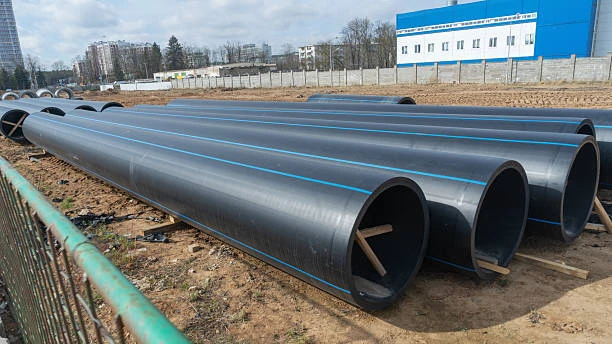
In agricultural practices, irrigation plays a vital role in ensuring the health and productivity of crops. Over time, farmers have increasingly turned to High-Density Polyethylene (HDPE) pipes for their irrigation systems, appreciating their stability, durability, and performance. This article explores the stability of HDPE irrigation pipes by examining their resistance to environmental factors, long-term durability, and performance in various irrigation systems.
1. Understanding HDPE Pipes
Before discussing the stability of HDPE pipes, it’s important to understand what they are. HDPE (High-Density Polyethylene) is a thermoplastic polymer known for its strength, flexibility, and resilience under various environmental conditions. HDPE pipes have become a standard solution in irrigation systems because of their ability to resist pressure, withstand high temperatures, and endure rough handling during installation. These pipes come in various sizes and thicknesses, making them suitable for both small-scale and large-scale irrigation applications.
Manufacturers create HDPE pipes by compressing polyethylene into high-density forms. This process results in rigid yet flexible pipes resistant to cracking or breaking. Consequently, HDPE pipes offer reliable water transport while ensuring long-term sustainability for irrigation systems.
2. Key Features Contributing to Stability
Several features contribute to the stability of HDPE pipes in irrigation systems. These include their durability, chemical resistance, flexibility, UV resistance, and smooth surface, all of which help enhance their performance in various environmental and operational conditions.
2.1. Durability and Longevity
HDPE pipes exhibit long lifespans, often lasting more than with proper maintenance. Their resistance to wear, corrosion, and degradation makes them an excellent choice for environments where other materials, like metal or concrete, would fail prematurely. This durability significantly enhances the stability of an irrigation system, reducing the need for frequent replacements or repairs.
Traditional metal pipes, for example, face issues like rust and corrosion when exposed to water over time. On the other hand, HDPE pipes do not suffer from such problems. Their long-lasting nature ensures consistent and stable performance for irrigation systems, even under challenging conditions.
2.2. Resistance to Corrosion and Chemical Damage
HDPE pipes offer exceptional corrosion resistance. Unlike metal pipes, which corrode when exposed to water or chemicals, HDPE pipes resist these issues. This ability to withstand corrosion ensures long-term stability and prevents the pipes from degrading due to chemical exposure. This feature is especially important in agricultural environments where chemicals such as fertilizers, herbicides, and pesticides are frequently used.
Additionally, HDPE pipes can withstand exposure to a wide variety of chemicals used in irrigation, making them suitable for different agricultural applications where other pipes might fail.
2.3. Flexibility and Adaptability
HDPE pipes are highly flexible, making them adaptable to a range of environments. The flexibility allows the pipes to bend and curve easily according to the landscape’s contours without cracking or breaking. This feature ensures that HDPE pipes can be installed in a variety of terrains, reducing the need for additional fittings, cutting installation time and costs.
Furthermore, flexibility allows HDPE pipes to adjust to ground movements. In areas where soil shifts or settles, these pipes remain intact, continuing to perform reliably. This level of adaptability makes them especially useful in regions prone to soil movement or earthquakes, where other materials may struggle to maintain stability.
2.4. Resistance to UV Degradation
Exposure to sunlight can cause some materials to degrade, but HDPE pipes exhibit resistance to UV radiation. This protection prevents the pipes from becoming brittle or cracked when exposed to sunlight. UV resistance ensures that HDPE pipes maintain their structural integrity even when used in above-ground irrigation systems.
HDPE pipes’ ability to resist UV degradation significantly contributes to their stability in outdoor applications, especially in regions with intense sunlight.
2.5. Low Coefficient of Friction
HDPE pipes have a smooth inner surface that reduces friction, allowing water to flow more freely with minimal energy loss. This feature makes them an ideal choice for irrigation systems that require efficient water transport, especially over long distances. The low friction within HDPE pipes contributes to stable water flow, preventing blockages or buildup of materials that could negatively affect the system’s performance.
3. Performance in Different Irrigation Systems
HDPE pipes are versatile and widely used in several types of irrigation systems, including drip irrigation, sprinkler systems, and subsurface irrigation. The stability of HDPE pipes ensures that they perform reliably across various agricultural applications, delivering consistent results even under challenging conditions.
3.1. Drip Irrigation Systems
Drip irrigation delivers water directly to the plant’s roots, minimizing water waste. HDPE pipes are often used in drip systems due to their high pressure tolerance, chemical resistance, and long lifespan. The flexibility of HDPE pipes makes them ideal for creating efficient water delivery networks in various field configurations. Additionally, the smooth inner surface helps ensure consistent water flow, reducing the risk of clogging and maintaining the stability of the system over time.
In drip irrigation, the reliable water flow provided by HDPE pipes encourages healthy crop growth and prevents over-irrigation, making these pipes highly valuable for water conservation in agriculture.
3.2. Sprinkler Irrigation Systems
Sprinkler irrigation requires uniform water distribution across large areas. HDPE pipes play a critical role in ensuring the stable operation of sprinkler systems. Their high pressure resistance and flexibility make them ideal for maintaining the necessary water pressure and adapting to different layouts.
HDPE pipes’ durability and ability to resist environmental stressors ensure that they maintain performance over time, even when exposed to the elements. This ability prevents issues like water pooling or uneven distribution, which could affect crop yields.
3.3. Subsurface Irrigation
In subsurface irrigation systems, water is delivered below the soil surface to the plant roots. HDPE pipes are particularly useful in these systems because of their resistance to degradation and ability to withstand environmental conditions underground. Their flexibility ensures easy installation and adaptation to different soil types and depths.
Subsurface irrigation systems powered by HDPE pipes offer improved water efficiency while minimizing the evaporation that often occurs with above-ground systems. These pipes also help prevent waterlogging and conserve water, especially in areas facing water scarcity.
4. Environmental Stability
HDPE pipes are designed to perform reliably in a wide range of environmental conditions, contributing to their stability and making them a versatile option for irrigation systems in various regions.
4.1. Performance in Cold Climates
In cold climates, freezing temperatures can cause traditional pipes to crack or burst. HDPE pipes are well-suited for such conditions because they can expand and contract without damage. This flexibility allows them to withstand freezing and thawing cycles, maintaining structural integrity in colder environments.
HDPE pipes’ resilience in cold climates ensures they remain stable, providing a reliable irrigation solution even in challenging weather conditions.
4.2. Performance in Hot and Dry Regions
In hot and dry regions, water conservation is a priority. HDPE pipes help minimize water loss through evaporation due to their smooth inner surface. Additionally, the UV resistance of HDPE pipes ensures that the pipes will not degrade from sun exposure, maintaining their stability and efficiency.
The durability of HDPE pipes in hot climates ensures that they continue to perform optimally, even in extreme temperatures.
4.3. Performance in High-Salinity Areas
HDPE pipes also offer excellent corrosion resistance, making them well-suited for areas with high salinity in the soil or water. Saltwater can cause other materials to corrode quickly, but HDPE pipes maintain their performance and stability even in saline conditions. This property makes HDPE pipes a reliable choice for irrigation systems in coastal areas or regions with saline groundwater.
5. Conclusion
HDPE irrigation pipes offer a stable, long-lasting solution for delivering water efficiently to crops. Their resistance to corrosion, chemical damage, UV degradation, and extreme environmental conditions ensures that they remain reliable and durable over time. The flexibility of HDPE pipes allows them to adapt to different terrains, while their smooth surface ensures efficient water flow.
From drip irrigation to sprinkler systems, HDPE pipes maintain stable performance, making them an essential component of modern irrigation practices. By offering cost-effective and sustainable irrigation solutions, HDPE pipes help farmers reduce water usage and improve crop yields, ultimately supporting global efforts to enhance agricultural productivity.
In summary, HDPE pipes provide the stability and performance needed for efficient irrigation systems. Their ability to handle diverse environmental factors and long lifespan makes them an indispensable part of agricultural infrastructure.
IFAN international standard
IFAN’s HDPE products comply with various international standards, ensuring quality, durability, and reliability. These standards include ASTM D3035 and ASTM D3350, which define specifications for polyethylene (PE) pipes and materials. The ISO 4427 and EN 12201 series set global benchmarks for PE pipes used in water supply systems. Additionally, DIN 8074/8075 and GB/T 13663 establish performance and dimension requirements for HDPE pipes in European and Chinese markets. Other recognized standards, such as AS/NZS 4130 (Australia/New Zealand), JIS K6760 (Japan), BS 6572 (UK), and CSA B137.1 (Canada), further demonstrate IFAN’s commitment to meeting industry regulations worldwide.
Contact
IFAN is a professional manufacturer with of experience, dedicated to producing high-quality plastic pipes, fittings, and valves. Our products include brass valves, PPR valves, as well as various pipes and fittings to meet different customer needs. Whether you need plumbing and drainage pipes or valve products, IFAN can provide a diverse range of high-quality, cost-effective products to support your projects. Below is our contact information.
We will reply your email or fax within 24 hours.
You can call us at any time if there is any question on our production.
For more information,pls visit our webside https://www.ifanplus.com/
Pls Mailto: [email protected]
Whatsapp: + 86 19857948982























