


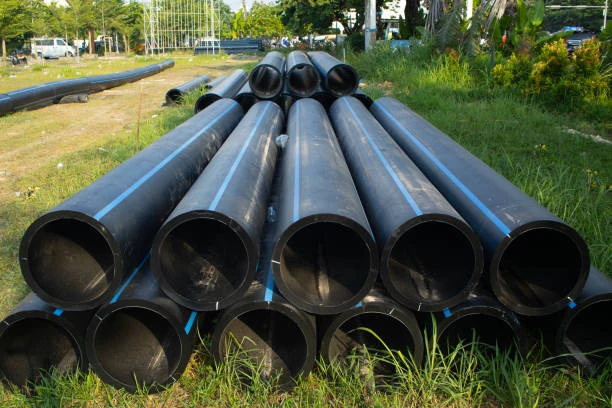
Polyethylene (PE) plumbing systems are gaining popularity in many industries due to their remarkable durability and versatility. Among the most impressive features of polyethylene, particularly high-density polyethylene (HDPE), is its abrasion resistance. This property is crucial for applications exposed to abrasive substances. In this article, we explore polyethylene plumbing systems’ abrasion resistance, contributing factors, and their benefits in industrial and commercial settings.
Understanding Polyethylene and Its Composition
Before delving deeper, it is essential to understand the composition of polyethylene. Polyethylene is a thermoplastic polymer made from ethylene, a simple hydrocarbon. It is widely used due to its low cost and ease of processing. There are different types of polyethylene, including low-density polyethylene (LDPE) and high-density polyethylene (HDPE). HDPE is more rigid, durable, and resistant to abrasion. This makes it ideal for plumbing applications that require strength and long-lasting performance.
The molecular structure of polyethylene plays a significant role in its properties. HDPE, in particular, has tightly packed polymer chains. This structure provides strength, stiffness, and abrasion resistance. Additionally, HDPE’s molecular structure makes it suitable for high-pressure environments and abrasive media.
What Is Abrasion Resistance?
Abrasion resistance refers to the ability of a material to withstand wear or erosion caused by repeated contact with abrasive particles. In plumbing systems, it is crucial for pipes exposed to flowing materials containing solid particles. These particles can cause significant damage to traditional piping systems. However, polyethylene plumbing systems excel at handling such challenges.
In environments where pipes encounter high-velocity fluids with abrasive particles, polyethylene plumbing systems remain reliable. This is because abrasion resistance prevents rapid wear, cracks, or degradation. As a result, polyethylene ensures long-lasting performance, reducing the need for frequent replacements.
Key Factors Contributing to Abrasion Resistance in Polyethylene Plumbing
Several factors contribute to the exceptional abrasion resistance of polyethylene plumbing systems. These include the molecular structure, surface hardness, flexibility, and impact resistance of polyethylene. Each of these factors plays a unique role in ensuring durability.
1. Molecular Structure
Polyethylene’s molecular structure is one of the primary reasons for its abrasion resistance. HDPE consists of long, straight polymer chains tightly packed together. This tightly packed structure enhances the material’s strength and stiffness. Furthermore, these characteristics help the material resist wear caused by abrasive particles. The arrangement of molecules ensures polyethylene pipes can endure external stresses without significant wear.
Additionally, polyethylene’s flexibility helps it absorb impacts without cracking or breaking. This is especially beneficial in environments where pipes face mechanical stress or abrasion. It is important to note that the flexibility allows polyethylene to recover from slight deformations, maintaining the pipe’s integrity.
2. Surface Hardness and Smoothness
Polyethylene pipes also possess a smooth surface finish, which contributes to their abrasion resistance. The smoother the surface, the less friction there is between the pipe and the flowing materials. Reduced friction helps prevent abrasion from damaging the internal surface. Additionally, the surface hardness of polyethylene makes it resistant to scratches and wear from abrasive substances. Therefore, the material maintains its structural integrity for a more extended period.
In comparison to materials like metal or ceramics, polyethylene’s smoothness provides a significant advantage in high-abrasion environments. The smooth surface reduces wear and enhances the performance of plumbing systems exposed to abrasive fluids.
3. Impact Resistance
In addition to abrasion resistance, polyethylene exhibits strong impact resistance. The material can absorb sudden stresses and impacts without breaking or cracking. This characteristic is especially valuable in environments where plumbing systems may face external forces or pressure surges.
Polyethylene’s resilience helps prevent cracks or fractures, ensuring the system remains functional even when exposed to harsh conditions. This impact resistance works synergistically with abrasion resistance to provide reliable, long-lasting performance in challenging applications.
4. Moisture Resistance
Polyethylene is naturally resistant to moisture. This property enhances its abrasion resistance in wet environments, such as slurry pipelines or water treatment systems. Exposure to moisture can exacerbate wear on many materials, but polyethylene’s inherent resistance to water helps it maintain its durability.
Furthermore, polyethylene’s moisture resistance prevents degradation in wet environments, allowing it to retain its strength. As a result, polyethylene pipes in moisture-rich conditions can endure abrasive particles without suffering the adverse effects that other materials may experience.
Advantages of Using Polyethylene Plumbing in Abrasive Environments
The abrasion resistance of polyethylene brings several key advantages to plumbing systems exposed to harsh conditions. These advantages are evident across various industries, including mining, agriculture, and wastewater management.
1. Extended Service Life
Polyethylene plumbing systems offer a significantly longer service life than conventional piping materials. The exceptional abrasion resistance ensures that polyethylene pipes can endure years of wear without significant damage. This durability translates into fewer repairs and replacements, ultimately saving money on maintenance costs.
In industries where pipes are exposed to harsh conditions, such as mining or chemical processing, polyethylene offers a superior solution. It resists the effects of abrasive particles and pressure, ensuring continuous operation for extended periods.
2. Reduced Maintenance and Repair Costs
Polyethylene’s abrasion resistance reduces the need for frequent maintenance. Over time, pipes made of less durable materials, such as steel or PVC, will wear down due to abrasion. However, polyethylene’s ability to withstand abrasive forces results in fewer issues like leaks or blockages. This leads to reduced repair costs, as well as a decrease in downtime.
The reduced likelihood of wear and damage helps industries that rely on continuous operation, such as water treatment plants or oil refineries. These systems can operate without worrying about frequent repairs or replacements, thanks to polyethylene’s durability.
3. Improved Flow Characteristics
Another advantage of polyethylene pipes is their smooth inner surface, which improves flow characteristics. The reduced friction between the pipe surface and the flowing media allows for better flow efficiency. This feature is especially useful when transporting abrasive fluids, as the smooth surface reduces wear while maintaining flow speed.
In high-velocity environments, polyethylene’s smoothness and abrasion resistance help maintain optimal flow rates without damaging the system. This is particularly important for systems that carry slurries, sand, or gravel, which can cause significant wear on traditional materials.
4. Flexibility for Installation
Polyethylene’s flexibility allows for easier installation in various environments. The material can bend and conform to different shapes without cracking or breaking. This is beneficial when pipes need to navigate around obstacles or adapt to different layouts.
Additionally, polyethylene pipes can be joined using fusion methods, such as heat fusion or electrofusion. These techniques create strong, seamless connections that enhance the abrasion resistance of the system by reducing the risk of leaks or failures at the joints. Thus, the flexibility of polyethylene contributes not only to its abrasion resistance but also to its ease of installation.
5. Environmental Benefits
Polyethylene is a recyclable material, making it an environmentally friendly option for plumbing systems. Unlike other materials, such as metal or PVC, polyethylene does not release harmful substances during manufacturing or disposal. This is crucial in industries that prioritize sustainability.
The ability to recycle polyethylene at the end of its service life reduces waste. It also minimizes the environmental impact of plumbing systems over time. As more industries seek eco-friendly solutions, polyethylene offers a viable option that balances performance with environmental responsibility.
Applications of Abrasion-Resistant Polyethylene Plumbing
Polyethylene plumbing’s abrasion resistance makes it ideal for various industries and applications. Whether in mining, agriculture, or water treatment, polyethylene offers long-lasting performance.
1. Mining Industry
In the mining industry, polyethylene is used for slurry pipelines that transport abrasive materials like sand and ore. The abrasion resistance ensures that the pipes remain functional without suffering from wear and tear over time.
2. Agriculture
Polyethylene is also widely used in irrigation and drainage systems. These systems often deal with soil particles and debris, which can damage less durable pipes. Polyethylene’s resistance to abrasion makes it an ideal choice for these environments.
3. Water Treatment and Wastewater Management
Polyethylene plumbing is commonly used in water treatment plants and wastewater management systems. These applications often involve transporting abrasive sludges and other materials that can cause damage to pipes. Polyethylene’s durability ensures these systems operate efficiently.
4. Industrial Processing
In industries such as chemical processing and food and beverage manufacturing, polyethylene plumbing systems handle abrasive fluids. Its ability to resist abrasion while maintaining performance makes it ideal for these demanding applications.
Conclusion
Polyethylene plumbing systems offer excellent abrasion resistance, making them a reliable and cost-effective choice for various industries. The molecular structure, surface hardness, and flexibility of polyethylene ensure that it can withstand even the harshest environments. By reducing maintenance costs, improving flow efficiency, and providing long-lasting durability, polyethylene is an ideal solution for plumbing systems exposed to abrasive conditions.
IFAN international standard
IFAN’s HDPE products comply with various international standards, ensuring quality, durability, and reliability. These standards include ASTM D3035 and ASTM D3350, which define specifications for polyethylene (PE) pipes and materials. The ISO 4427 and EN 12201 series set global benchmarks for PE pipes used in water supply systems. Additionally, DIN 8074/8075 and GB/T 13663 establish performance and dimension requirements for HDPE pipes in European and Chinese markets. Other recognized standards, such as AS/NZS 4130 (Australia/New Zealand), JIS K6760 (Japan), BS 6572 (UK), and CSA B137.1 (Canada), further demonstrate IFAN’s commitment to meeting industry regulations worldwide.
Contact
IFAN is a professional manufacturer with of experience, dedicated to producing high-quality plastic pipes, fittings, and valves. Our products include brass valves, PPR valves, as well as various pipes and fittings to meet different customer needs. Whether you need plumbing and drainage pipes or valve products, IFAN can provide a diverse range of high-quality, cost-effective products to support your projects. Below is our contact information.
We will reply your email or fax within 24 hours.
You can call us at any time if there is any question on our production.
For more information,pls visit our webside https://www.ifanplus.com/
Pls Mailto: [email protected]
Whatsapp: + 86 19857948982























