


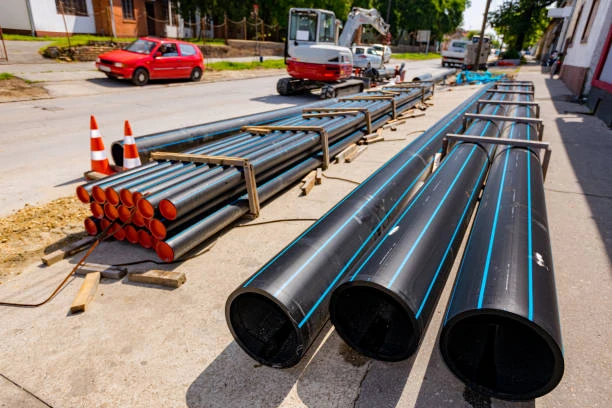
Polyethylene (PE) plumbing systems have become increasingly popular in various industries, including water supply, industrial applications, and waste management. One of the standout features that make polyethylene plumbing a preferred choice is its exceptional chemical resistance. This characteristic not only enhances the longevity and durability of the piping systems but also ensures their functionality across a wide range of aggressive environments. In this article, we will delve into the reasons behind the outstanding chemical resistance of polyethylene plumbing, the factors that influence this resistance, and the benefits that come with using polyethylene in diverse applications.
Understanding Polyethylene and Its Properties
Before discussing the chemical resistance of polyethylene plumbing, it’s essential to first understand what polyethylene is and why it has such remarkable properties. Polyethylene is a type of thermoplastic polymer made from polymerizing ethylene, a simple hydrocarbon. It is one of the most commonly used plastics in the world due to its low cost, ease of processing, and versatility.
Polyethylene is available in various forms, including high-density polyethylene (HDPE) and low-density polyethylene (LDPE). The primary difference between these two types lies in their molecular structure, which directly impacts their strength, density, and chemical resistance. HDPE, for example, is the more robust and durable version, making it ideal for plumbing systems exposed to harsh chemical environments.
Polyethylene’s molecular structure consists of long, straight chains that are relatively resistant to many chemicals. This, combined with the material’s low reactivity, ensures that polyethylene plumbing systems can withstand a wide array of corrosive substances, making them suitable for both potable water and industrial applications.
Chemical Resistance in Polyethylene Plumbing
Polyethylene’s ability to resist damage caused by exposure to various chemicals is one of its most important attributes. The material’s chemical resistance is influenced by several factors, including the type of chemical, the temperature, and the duration of exposure. To better understand how polyethylene performs in different conditions, let’s explore some of the specific chemicals it is resistant to and the factors that affect its resistance.
Resistance to Acids and Bases
Polyethylene exhibits outstanding resistance to both acids and bases, making it a reliable material for systems that handle corrosive liquids. Hydrochloric acid, sulfuric acid, and nitric acid, all of which are highly corrosive, have minimal impact on polyethylene pipes. Similarly, strong bases like sodium hydroxide do not degrade polyethylene, even after prolonged exposure.
This chemical resistance is particularly important in industrial applications, where polyethylene plumbing systems are often used to carry acidic or alkaline solutions. In these settings, polyethylene offers significant advantages over metals, which can corrode or weaken when exposed to aggressive chemicals.
Resistance to Organic Solvents
Polyethylene’s chemical resistance extends to many organic solvents, such as alcohols, oils, ketones, and esters. While it is not immune to all organic solvents, polyethylene performs well with substances like ethanol, methanol, and isopropyl alcohol. These substances are commonly found in various industries, including the pharmaceutical, cosmetic, and chemical manufacturing sectors.
It’s worth noting that certain solvents, especially aromatic hydrocarbons like benzene and toluene, can affect the structure of polyethylene over time. However, for most common organic chemicals, polyethylene offers reliable protection and long-term performance.
Resistance to Chlorine and Chlorinated Compounds
Chlorine and its derivatives, such as chlorine dioxide and chloramines, are commonly used in water treatment plants for disinfection purposes. These chemicals can be highly corrosive to metals, but polyethylene shows excellent resistance to chlorinated water. This is why polyethylene is frequently used in drinking water distribution systems, where chlorine levels are prevalent.
Polyethylene also resists degradation when exposed to chlorinated hydrocarbons, which are often found in industrial applications. This resistance ensures that polyethylene plumbing systems maintain their integrity even when dealing with water or substances containing chlorine or similar chemicals.
Resistance to Oxidizing Agents
Polyethylene’s resistance to oxidizing agents, such as hydrogen peroxide and ozone, further contributes to its chemical durability. Oxidizing agents can cause serious damage to many materials, including metals, but polyethylene remains largely unaffected by these substances. This is especially useful in environments where oxidizing agents are part of the treatment processes, such as in wastewater management or chemical processing plants.
Impact of Temperature on Chemical Resistance
While polyethylene demonstrates impressive chemical resistance, its ability to withstand various chemicals can be influenced by temperature. High temperatures can accelerate the degradation of polyethylene, making it more susceptible to chemical attack. Therefore, it’s crucial to consider the operating temperature when designing a polyethylene plumbing system.
For example, while polyethylene performs well with acids and alkalis at room temperature, exposure to these substances at elevated temperatures may weaken the material over time. Therefore, maintaining a balance between temperature and chemical exposure is critical to ensuring the long-term performance of polyethylene pipes.
Durability Under Stress
In addition to its chemical resistance, polyethylene exhibits high impact resistance, which means it can withstand mechanical stresses without cracking or failing. This property makes polyethylene a preferred choice for plumbing systems exposed to external pressures, such as those found in mining operations or heavy industrial environments. The combination of chemical resistance and impact strength ensures that polyethylene plumbing systems maintain their functionality even in challenging conditions.
Advantages of Polyethylene Plumbing Systems
Polyethylene’s chemical resistance, along with its other beneficial properties, makes it an excellent choice for a variety of plumbing applications. Below, we will discuss some of the key advantages of polyethylene plumbing systems, which explain their increasing use across different industries.
1. Cost-Effectiveness
Polyethylene is an affordable material, making it a cost-effective option for plumbing systems. Compared to metals like copper or steel, polyethylene is significantly less expensive, both in terms of material costs and installation. Its lightweight nature reduces transportation costs, and its ease of installation further reduces labor costs.
2. Longevity and Durability
Polyethylene plumbing systems are known for their long lifespan. With proper installation and maintenance, these systems can last for decades without showing signs of wear. This long lifespan is partly due to polyethylene’s resistance to chemicals, corrosion, and physical damage, which significantly reduces the need for frequent repairs or replacements.
3. Ease of Installation
Polyethylene is relatively easy to work with during installation. Unlike traditional metal pipes, which require welding, threading, or soldering, polyethylene pipes can be easily connected using heat fusion or mechanical fittings. This makes the installation process faster and simpler, reducing the overall project time and labor costs.
4. Flexibility and Lightweight
The flexibility of polyethylene allows it to bend and flex without breaking, which is particularly useful when installing pipes in areas with shifting soil or frozen ground. Additionally, polyethylene’s lightweight nature makes it easier to transport, handle, and install, further improving its cost-effectiveness and efficiency.
5. Environmental Benefits
Polyethylene is recyclable, making it a more environmentally friendly choice compared to other materials. The low carbon footprint of polyethylene production, combined with its ability to be recycled at the end of its life cycle, contributes to sustainability efforts in plumbing and construction.
6. Resistance to Microbial Growth
Polyethylene is resistant to the growth of bacteria, mold, and other microorganisms that can compromise water quality in plumbing systems. This makes polyethylene pipes an ideal choice for potable water systems, as it helps maintain the integrity and safety of drinking water.
Applications of Polyethylene Plumbing Systems
Given its excellent chemical resistance and other beneficial properties, polyethylene plumbing systems are widely used in various sectors. Here are some of the key applications:
1. Water Supply Systems
Polyethylene is commonly used in municipal water supply systems, including drinking water distribution, irrigation systems, and wastewater management. The chemical resistance of polyethylene makes it particularly suitable for systems that deal with chlorinated water or acidic environments.
2. Industrial Applications
Polyethylene plumbing is often used in industrial settings, such as chemical processing plants, where pipes are exposed to a range of harsh chemicals. The ability of polyethylene to resist acids, solvents, and oxidizing agents makes it an ideal material for these types of environments.
3. Oil and Gas Industry
Polyethylene is also used in the oil and gas industry, particularly in offshore drilling and refining processes, where exposure to various corrosive substances is common. The material’s resistance to chemicals and environmental stressors ensures its reliability in these demanding conditions.
4. Food and Beverage Industry
Polyethylene plumbing systems are widely used in the food and beverage industry, where there is a need to transport liquids safely and hygienically. The resistance to microbial growth and chemicals makes polyethylene pipes an ideal choice for carrying products like juices, syrups, and other beverages.
Conclusion
The chemical resistance of polyethylene plumbing systems is one of their most significant advantages, making them a preferred choice for a wide range of applications. Whether in water supply systems, industrial plants, or the oil and gas industry, polyethylene pipes and fittings provide reliability, durability, and cost-effectiveness. With their excellent resistance to a variety of chemicals, low maintenance requirements, and long lifespan, polyethylene plumbing systems offer significant benefits over traditional materials, ensuring safe and efficient operations for years to come.
IFAN international standard
IFAN’s HDPE products comply with various international standards, ensuring quality, durability, and reliability. These standards include ASTM D3035 and ASTM D3350, which define specifications for polyethylene (PE) pipes and materials. The ISO 4427 and EN 12201 series set global benchmarks for PE pipes used in water supply systems. Additionally, DIN 8074/8075 and GB/T 13663 establish performance and dimension requirements for HDPE pipes in European and Chinese markets. Other recognized standards, such as AS/NZS 4130 (Australia/New Zealand), JIS K6760 (Japan), BS 6572 (UK), and CSA B137.1 (Canada), further demonstrate IFAN’s commitment to meeting industry regulations worldwide.
Contact
IFAN is a professional manufacturer with of experience, dedicated to producing high-quality plastic pipes, fittings, and valves. Our products include brass valves, PPR valves, as well as various pipes and fittings to meet different customer needs. Whether you need plumbing and drainage pipes or valve products, IFAN can provide a diverse range of high-quality, cost-effective products to support your projects. Below is our contact information.
We will reply your email or fax within 24 hours.
You can call us at any time if there is any question on our production.
For more information,pls visit our webside https://www.ifanplus.com/
Pls Mailto: [email protected]
Whatsapp: + 86 19857948982























