


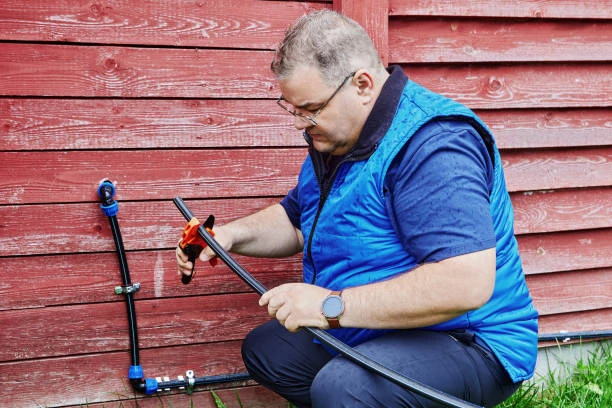
Polyethylene (PE) pipe fittings are common in plumbing, water distribution, gas distribution, and other piping systems. As the world increasingly values eco-friendly solutions, the recyclability of materials becomes crucial. Polyethylene pipe fittings, made from high-density polyethylene (HDPE), provide significant environmental benefits due to their recyclability, sustainability, and minimal environmental impact. This article will explore the recyclability of polyethylene pipe fittings, their role in promoting sustainability, and how they compare with other materials.
What is Polyethylene?
Polyethylene is a thermoplastic polymer widely used across industries, including construction, packaging, and plumbing. Manufacturers produce it by polymerizing ethylene monomers into long chains, creating a material known for its strength, flexibility, and resistance to chemicals. The two most common forms of polyethylene used in piping systems are low-density polyethylene (LDPE) and high-density polyethylene (HDPE). HDPE stands out in pipe fitting applications because of its higher tensile strength, resistance to impact, and ability to withstand high temperatures and pressures.
The recyclability of polyethylene pipe fittings stems from the material’s structure. This structure allows polyethylene to break down and reuse many times without losing essential properties, making it an excellent choice for sustainable plumbing systems that minimize waste.
Why is Recyclability Important?
Recyclability is critical to sustainability. As global concerns about plastic pollution and environmental degradation grow, many industries now move towards a circular economy model. A circular economy emphasizes reducing waste by reusing materials. Polyethylene pipe fittings align perfectly with this model. They enable the reuse of raw materials, reduce energy consumption, and limit landfill waste.
Recycling polyethylene also offers economic advantages. The process saves raw materials and energy compared to producing new polyethylene. Therefore, it can lower production costs and benefit consumers with reduced prices. By choosing recyclable materials like polyethylene, industries can contribute to environmental conservation while enjoying economic benefits.
How Polyethylene Pipe Fittings Are Recycled
Polyethylene pipe fittings undergo a well-established recycling process that ensures effective reuse of the material while maintaining quality. The key steps in this process include collection, sorting, cleaning, shredding, melting, and reusing the material.
1. Collection and Sorting
After the end of their useful life, polyethylene pipe fittings gather from various sources, such as construction sites, plumbing systems, and waste disposal facilities. Workers then sort these fittings based on material type and color. Sorting ensures that only polyethylene materials go for recycling and prevents contamination from other plastics that might not be suitable for the process.
2. Cleaning and Shredding
Once sorted, workers clean the polyethylene pipe fittings to remove dirt, grease, and other contaminants. They then shred the material into smaller pieces. Shredding makes it easier to process the material in the next stages of recycling.
3. Melting and Extruding
After cleaning and shredding, manufacturers melt the polyethylene using heat. This process transforms the shredded material into a molten form, which they shape into new products. Often, the melted polyethylene gets extruded into long tubes or strands, cooled, and cut into pellets. These pellets serve as the final product of the recycling process and can be used to manufacture new polyethylene products, including pipe fittings.
Recycling polyethylene pipe fittings means manufacturers reduce the need for new polyethylene production, saving both energy and resources.
4. Reusing Recycled Polyethylene
Manufacturers often reuse recycled polyethylene to create new pipe fittings or other products like packaging and plastic containers. The properties of recycled polyethylene are similar to those of virgin polyethylene, making it suitable for a wide range of applications. However, the mechanical properties of recycled polyethylene may slightly decline if recycled multiple times. Despite this, it remains a viable material for many uses.
Environmental Benefits of Recycling Polyethylene Pipe Fittings
Recycling polyethylene pipe fittings provides significant environmental advantages, including reducing plastic waste, conserving natural resources, saving energy, and lowering greenhouse gas emissions. Below, we examine these environmental benefits.
1. Reduction of Plastic Waste
Polyethylene is one of the most widely used plastics, contributing significantly to plastic waste. Recycling polyethylene pipe fittings reduces the volume of waste sent to landfills. This helps minimize plastic pollution, which can harm wildlife and ecosystems. Furthermore, recycling polyethylene lowers the demand for virgin polyethylene production, reducing the environmental damage associated with extracting and producing new plastic.
2. Conservation of Natural Resources
Polyethylene comes from petroleum, a non-renewable resource. Producing virgin polyethylene requires extracting and processing petroleum, which harms the environment and depletes natural resources. Recycling polyethylene pipe fittings reduces the demand for new polyethylene production, helping conserve petroleum and other raw materials.
Using recycled polyethylene means industries can reduce their reliance on virgin materials, promoting a more sustainable, circular economy.
3. Energy Savings
Recycling polyethylene pipe fittings uses far less energy than producing new polyethylene. Recycling eliminates the need for the energy-intensive processes of extracting and refining petroleum. Additionally, recycling generally consumes less energy than producing plastic from raw materials. This reduction in energy use results in lower carbon emissions and a smaller carbon footprint during polyethylene production.
4. Reduction of Greenhouse Gas Emissions
Recycling polyethylene pipe fittings also helps reduce greenhouse gas emissions. Producing polyethylene from virgin materials generates substantial carbon emissions, contributing to global warming and climate change. Recycling polyethylene reduces emissions, making it an effective strategy for mitigating climate change.
5. Decreased Need for Landfills
Plastic waste takes centuries to decompose in landfills, exacerbating the landfill overflow problem. Recycling them reduces the volume of waste in landfills, decreasing the need for additional landfill space. By recycling, industries can alleviate landfill overcrowding, preserve valuable land, and reduce environmental pollution.
The Role of Polyethylene Pipe Fittings in Sustainable Building and Construction
Sustainability is vital in modern construction and infrastructure projects. As industries work to minimize environmental impact, polyethylene pipe fittings have emerged as an ideal solution due to their recyclability and environmental advantages. Incorporating recyclable materials like polyethylene into building projects allows construction companies to meet sustainability goals while benefiting from cost savings associated with recycling.
Polyethylene pipe fittings stand out in sustainable building projects because of their durability, ease of installation, and recyclability. In addition to being recyclable, PE pipe fittings resist corrosion, ensuring a long lifespan without frequent replacements. Their longevity makes them a smart investment for residential and commercial projects by reducing the overall environmental impact of plumbing systems.
Comparing Polyethylene Pipe Fittings with Other Materials
Polyethylene pipe fittings are just one option in plumbing systems, and it’s essential to compare them with other materials, such as PVC, copper, and steel, in terms of recyclability.
Polyethylene vs. PVC
PVC is another widely used material for pipe fittings, but it presents some challenges in recycling. The PVC recycling process is more complex than polyethylene’s and often leads to a decline in material quality after multiple recycling cycles. Additionally, PVC contains chlorine, which releases harmful emissions during recycling. In contrast, polyethylene is easier to recycle and does not release toxic substances, making it a more environmentally friendly choice.
Polyethylene vs. Copper
Copper is a valuable and recyclable material, but it comes at a higher price point than polyethylene. Copper fittings are durable and resistant to corrosion, but their recycling process requires specialized methods. Extracting copper also has an environmental impact. Polyethylene, on the other hand, remains abundant, relatively inexpensive, and easy to recycle, making it a more sustainable option in many cases.
Polyethylene vs. Steel
Steel pipe fittings are durable and strong, but they tend to corrode over time. Steel recycling requires energy-intensive methods that produce significant emissions. Polyethylene pipe fittings, however, don’t corrode, require less energy for recycling, and have a smaller environmental footprint.
Conclusion
Polyethylene pipe fittings offer a sustainable, recyclable, and environmentally friendly option for modern plumbing systems. Their recyclability helps reduce plastic waste, conserve natural resources, save energy, and lower greenhouse gas emissions. As industries increasingly focus on sustainability, polyethylene pipe fittings provide a cost-effective and eco-friendly solution that benefits both the environment and the economy.
By choosing polyethylene pipe fittings, industries can contribute to a more sustainable future, reduce their environmental footprint, and support the transition to a circular economy that minimizes waste and maximizes resource efficiency. As recycling technology advances, the recyclability of polyethylene will continue to improve, making it an even more attractive option for sustainable systems.
IFAN international standard
IFAN’s HDPE products comply with various international standards, ensuring quality, durability, and reliability. These standards include ASTM D3035 and ASTM D3350, which define specifications for polyethylene (PE) pipes and materials. The ISO 4427 and EN 12201 series set global benchmarks for PE pipes used in water supply systems. Additionally, DIN 8074/8075 and GB/T 13663 establish performance and dimension requirements for HDPE pipes in European and Chinese markets. Other recognized standards, such as AS/NZS 4130 (Australia/New Zealand), JIS K6760 (Japan), BS 6572 (UK), and CSA B137.1 (Canada), further demonstrate IFAN’s commitment to meeting industry regulations worldwide.
Contact
IFAN is a professional manufacturer with of experience, dedicated to producing high-quality plastic pipes, fittings, and valves. Our products include brass valves, PPR valves, as well as various pipes and fittings to meet different customer needs. Whether you need plumbing and drainage pipes or valve products, IFAN can provide a diverse range of high-quality, cost-effective products to support your projects. Below is our contact information.
We will reply your email or fax within 24 hours.
You can call us at any time if there is any question on our production.
For more information,pls visit our webside https://www.ifanplus.com/
Pls Mailto: [email protected]
Whatsapp: + 86 19857948982























