


Introduction
Copper piping fittings play an essential role in plumbing, heating, and cooling systems. One of the most significant properties of copper is its excellent thermal conductivity, which allows it to efficiently transfer heat. This characteristic makes copper an ideal material for applications that require efficient energy transfer, such as heating, ventilation, air conditioning (HVAC), and industrial processes.
In this article, we will explore the thermal conductivity of copper piping fittings in detail. We will examine why copper has superior heat transfer properties, compare it with other materials, and discuss its benefits in various applications. Furthermore, we will highlight how copper fittings enhance energy efficiency and contribute to sustainable building solutions.
Understanding Thermal Conductivity
Thermal conductivity refers to a material’s ability to conduct heat. It is measured in watts per meter-kelvin (W/m·K), indicating the rate at which heat passes through a material. The higher the thermal conductivity, the faster heat can move through the material.
Copper has a thermal conductivity of approximately 385 W/m·K, making it one of the best conductors of heat among commonly used metals. This property allows copper piping and fittings to facilitate rapid heat transfer in heating and cooling systems.
To put this in perspective, let’s compare copper’s thermal conductivity with other materials:
- Copper: 385 W/m·K
- Aluminum: 237 W/m·K
- Brass: 109 W/m·K
- Steel: 50 W/m·K
- PVC (Plastic): 0.19 W/m·K
Clearly, copper outperforms most other materials in heat transfer efficiency. This property makes it indispensable in applications where quick heat distribution is crucial.
Why Copper Has High Thermal Conductivity
Copper’s high thermal conductivity is primarily due to its atomic structure. Being a metal, copper has free-moving electrons that facilitate efficient heat transfer. When heat energy is introduced, these electrons quickly transfer thermal energy throughout the material, ensuring an even temperature distribution.
Moreover, copper has a face-centered cubic (FCC) crystal structure, which provides fewer barriers to heat flow. Unlike some metals that may have structural imperfections limiting conductivity, copper’s crystal arrangement allows uninterrupted energy transfer.
The Role of Copper Fittings in Heat Transfer
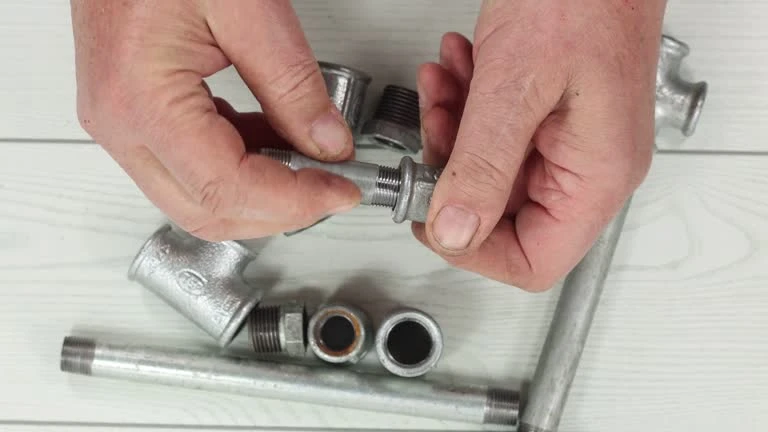
Copper piping fittings enhance heat transfer by ensuring a secure and efficient connection between copper pipes. These fittings come in various forms, including elbows, tees, couplings, reducers, and unions, all designed to facilitate seamless heat flow.
Several key factors make copper fittings excellent for thermal applications:
- Minimal Heat Loss
Copper fittings ensure a tight and conductive connection, reducing energy loss. Unlike plastic fittings, which can hinder heat flow, copper fittings maintain efficient thermal transfer. - Even Heat Distribution
In heating systems, copper fittings help distribute heat evenly, preventing localized overheating or inefficient heat dispersion. This is crucial in applications like underfloor heating and radiators. - Durability Under Heat Stress
Copper fittings withstand high temperatures without degrading. This makes them ideal for steam heating systems and hot water distribution networks, where materials must endure continuous heat exposure.
Applications of Copper Fittings in Thermal Systems
Because of their excellent heat transfer properties, copper piping fittings are widely used in numerous industries. Let’s explore some key applications:
1. Plumbing and Hot Water Systems
Copper fittings are commonly used in hot water pipes because they quickly transfer heat from water heaters to taps and showers. Unlike plastic pipes, which can delay heat transfer, copper ensures rapid delivery of hot water, reducing energy waste.
2. HVAC Systems
Heating, ventilation, and air conditioning systems rely heavily on copper pipes and fittings for efficient heat exchange. Copper’s high conductivity allows HVAC systems to operate with minimal energy loss, improving overall system performance.
3. Refrigeration and Cooling Systems
In refrigeration, copper fittings help transport coolant efficiently, ensuring proper heat dissipation. This enhances the performance of refrigerators, air conditioners, and industrial cooling systems.
4. Industrial Heat Exchangers
Many industries use heat exchangers to transfer heat between fluids. Copper fittings are essential in these systems because they ensure rapid and efficient heat transfer, improving energy efficiency in power plants and chemical processing facilities.
5. Solar Water Heating Systems
Copper is widely used in solar water heating due to its ability to absorb and transfer heat efficiently. Copper fittings connect solar collectors to storage tanks, ensuring effective heat exchange for sustainable energy use.
Advantages of Copper Fittings Over Other Materials
While there are various piping materials available, copper stands out due to its exceptional properties. Let’s examine how copper fittings compare to alternatives:
1. Copper vs. Plastic (PVC, PEX)
- Heat Transfer: Copper is far superior in thermal conductivity (385 W/m·K vs. 0.19 W/m·K).
- Durability: Copper fittings can handle high temperatures without deforming, whereas plastic can soften or melt.
- Longevity: Copper fittings have a longer lifespan than plastic, making them more cost-effective in the long run.
2. Copper vs. Steel
- Thermal Conductivity: Copper is almost eight times more conductive than steel, ensuring better heat distribution.
- Corrosion Resistance: Copper is naturally corrosion-resistant, whereas steel requires protective coatings.
- Weight: Copper is lighter, making it easier to install and transport.
3. Copper vs. Aluminum
- Heat Conductivity: While aluminum has good conductivity (237 W/m·K), copper still performs significantly better.
- Durability: Copper is more resistant to corrosion, especially in plumbing applications.
Energy Efficiency and Sustainability
The high thermal conductivity of copper not only improves system efficiency but also contributes to sustainability. Here’s how:
- Reduced Energy Consumption
Since copper fittings minimize heat loss, systems require less energy to maintain desired temperatures. This results in lower utility bills and decreased energy demand. - Long Lifespan and Recyclability
Copper fittings are highly durable and fully recyclable, reducing waste. Unlike plastic, which may degrade over time, copper can be reused without losing its thermal properties. - Lower Carbon Footprint
Efficient heat transfer means reduced fuel consumption, leading to fewer carbon emissions. This is particularly beneficial in industries aiming for greener solutions.
Conclusion
Copper piping fittings are an excellent choice for heat transfer applications due to their outstanding thermal conductivity. Their ability to quickly and efficiently conduct heat makes them ideal for plumbing, HVAC, refrigeration, and industrial systems. Compared to alternative materials, copper fittings offer superior durability, energy efficiency, and sustainability.
By using copper fittings, engineers and homeowners can optimize heating and cooling systems while reducing energy consumption. As technology advances, the role of copper in heat transfer applications will only continue to grow, ensuring that this versatile material remains a fundamental component in efficient and sustainable infrastructure.
IFAN international standard
IFAN’s HDPE products comply with various international standards, ensuring quality, durability, and reliability. These standards include ASTM D3035 and ASTM D3350, which define specifications for polyethylene (PE) pipes and materials. The ISO 4427 and EN 12201 series set global benchmarks for PE pipes used in water supply systems. Additionally, DIN 8074/8075 and GB/T 13663 establish performance and dimension requirements for HDPE pipes in European and Chinese markets. Other recognized standards, such as AS/NZS 4130 (Australia/New Zealand), JIS K6760 (Japan), BS 6572 (UK), and CSA B137.1 (Canada), further demonstrate IFAN’s commitment to meeting industry regulations worldwide.
Contact
IFAN is a professional manufacturer with of experience, dedicated to producing high-quality plastic pipes, fittings, and valves. Our products include brass valves, PPR valves, as well as various pipes and fittings to meet different customer needs. Whether you need plumbing and drainage pipes or valve products, IFAN can provide a diverse range of high-quality, cost-effective products to support your projects. Below is our contact information.
We will reply your email or fax within 24 hours.
You can call us at any time if there is any question on our production.
For more information,pls visit our webside https://www.ifanplus.com/
Pls Mailto: [email protected]
Whatsapp: + 86 19857948982























