


Introduction
A reliable and efficient water supply system plays a crucial role in every household. Homeowners need a system that ensures safe, clean, and uninterrupted water flow for daily activities, such as drinking, cooking, cleaning, and bathing. One of the most essential components in household water supply systems is the valve. Among the different types of valves available, the copper ball valve stands out due to its durability, corrosion resistance, and excellent sealing performance.
Copper ball valves play a significant role in controlling water flow within residential plumbing systems. These valves offer smooth operation, long-lasting performance, and minimal maintenance. In this article, we will explore the features, benefits, and applications of copper ball valves in household water supply systems. Additionally, we will discuss their installation, maintenance, and how they compare with other valve types.
Understanding Copper Ball Valves
Before diving into their role in household water supply, it is important to understand what copper ball valves are and how they function.
Basic Structure and Function
A copper ball valve consists of several key components that work together to regulate water flow. These include:
- Valve Body: The outer shell, usually made of copper or brass, which houses all internal components.
- Ball: A spherical component with a hole through the center, which rotates to control the flow of water.
- Seats: Soft or hard rings that create a seal between the ball and the valve body.
- Stem: The part connected to the handle, which rotates the ball to open or close the valve.
- Handle or Lever: The external component that allows users to operate the valve easily.
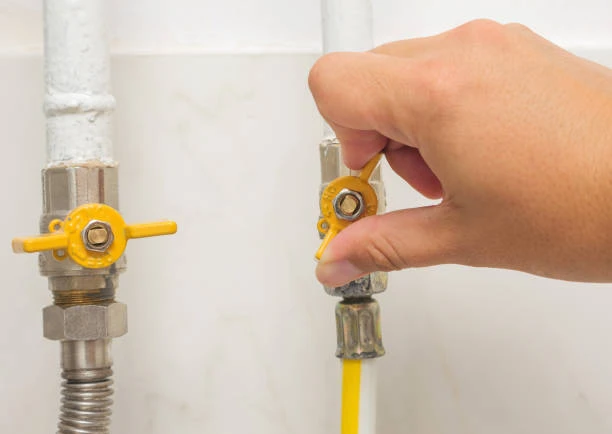
The operation of a copper ball valve is simple. When the handle is turned 90 degrees, the ball inside rotates, either allowing water to flow through or blocking it completely. This quick and easy operation makes ball valves one of the most user-friendly options in plumbing systems.
Why Copper?
Copper is a preferred material for plumbing valves due to several important characteristics:
- Corrosion Resistance: Unlike steel or iron, copper resists rust and corrosion, making it ideal for water supply systems.
- Durability: Copper ball valves can withstand high water pressure and temperature fluctuations without breaking down.
- Antimicrobial Properties: Copper naturally inhibits bacterial growth, ensuring clean and safe drinking water.
- Heat Tolerance: Copper performs well in both hot and cold water applications, making it versatile for household plumbing.
Now that we understand how copper ball valves work and why copper is an excellent material, let’s explore their specific benefits in household water supply systems.
Benefits of Copper Ball Valves in Household Water Supply
1. Excellent Sealing Performance
One of the most significant advantages of copper ball valves is their ability to provide a tight seal. When closed, the ball presses against the valve seats, creating a leak-proof barrier. This prevents water from dripping or seeping through, ensuring efficiency and reducing water wastage.
Unlike other valve types, such as gate valves or globe valves, ball valves do not rely on multiple moving parts to create a seal. This means fewer chances of wear and tear over time. Homeowners benefit from a long-lasting solution with minimal risk of leaks.
2. Easy and Quick Operation
Copper ball valves operate with a simple quarter-turn mechanism, allowing homeowners to open or close the valve instantly. This feature is particularly useful in emergencies, such as pipe leaks or plumbing repairs, where shutting off the water supply quickly is crucial.
In contrast, gate valves require multiple turns to fully open or close, making them slower and less convenient in household applications.
3. Durability and Longevity
Since household water supply systems operate continuously, durability is an essential factor. Copper ball valves have a robust design that withstands frequent use without deteriorating. They resist wear, corrosion, and pressure fluctuations, ensuring they last for many years without needing replacement.
Additionally, copper ball valves require little maintenance. With proper installation and occasional inspection, they continue to function efficiently for an extended period.
4. Versatility in Water Supply Applications
Copper ball valves are suitable for various applications within a household water supply system, including:
- Main Water Shutoff Valve: Located at the point where water enters the home, controlling the entire water supply.
- Branch Line Valves: Installed along different water lines to control supply to specific areas, such as kitchens, bathrooms, and laundry rooms.
- Outdoor Faucets: Used for garden hose connections and irrigation systems.
- Water Heaters: Regulating hot water flow to ensure safe operation and energy efficiency.
This versatility makes copper ball valves a valuable component in any residential plumbing system.
5. Resistance to Temperature Changes
Household plumbing systems experience fluctuations in temperature due to hot and cold water usage. Some valve materials expand and contract under extreme temperatures, leading to cracks or leaks. However, copper remains stable, making it highly reliable for both hot and cold water applications.
For example, in colder regions, frozen pipes are a common concern. Copper ball valves handle these conditions well, minimizing the risk of pipe bursts caused by freezing and thawing cycles.
6. Water Safety and Hygiene
Clean and safe drinking water is a priority in every home. Copper ball valves contribute to water safety by preventing contamination. Unlike plastic valves, which may degrade over time and release harmful chemicals into the water, copper maintains its integrity.
Additionally, copper’s natural antimicrobial properties help prevent bacterial growth inside the valve, reducing the risk of waterborne illnesses.
Installation and Maintenance of Copper Ball Valves
Proper Installation for Optimal Performance
Installing copper ball valves correctly ensures optimal performance and longevity. Plumbers follow specific steps to achieve a secure and leak-free connection:
- Pipe Preparation: The ends of the copper pipes must be cleaned and deburred before installation.
- Soldering or Threaded Connection: Depending on the valve type, it is either soldered onto copper pipes or connected using threaded fittings.
- Leak Testing: After installation, plumbers test the system by turning on the water supply and checking for leaks.
- Proper Orientation: The handle should be easily accessible for quick operation.
Routine Maintenance for Longevity
Copper ball valves require minimal maintenance, but occasional inspections help ensure continued efficiency. Homeowners can follow these maintenance tips:
- Check for Leaks: Inspect the valve connections periodically for any signs of leakage.
- Operate the Valve Regularly: Turning the valve on and off occasionally prevents it from sticking.
- Clean the Exterior: Wiping the valve helps prevent dirt buildup and corrosion.
- Replace Worn Seals: If the valve starts to leak, replacing the internal seats and seals restores its functionality.
By following these simple maintenance steps, homeowners can extend the lifespan of their copper ball valves and maintain a reliable water supply system.
Comparison with Other Valve Types
Copper ball valves offer superior performance compared to other common household valve types:
- Gate Valves: While durable, gate valves require multiple turns to operate and may develop sealing issues over time.
- Globe Valves: These provide precise flow control but have a more complex design, increasing the risk of wear.
- Plastic Ball Valves: While lightweight and affordable, plastic valves lack the durability and heat resistance of copper.
Overall, copper ball valves combine durability, ease of use, and excellent sealing performance, making them an ideal choice for household water supply systems.
Conclusion
Copper ball valves offer a highly effective solution for controlling household water supply. Their durability, corrosion resistance, and ease of operation make them superior to other valve types. By choosing copper ball valves, homeowners ensure a reliable, leak-free, and long-lasting plumbing system. Proper installation and routine maintenance further enhance their performance, contributing to a safe and efficient home water supply.
IFAN international standard
IFAN’s HDPE products comply with various international standards, ensuring quality, durability, and reliability. These standards include ASTM D3035 and ASTM D3350, which define specifications for polyethylene (PE) pipes and materials. The ISO 4427 and EN 12201 series set global benchmarks for PE pipes used in water supply systems. Additionally, DIN 8074/8075 and GB/T 13663 establish performance and dimension requirements for HDPE pipes in European and Chinese markets. Other recognized standards, such as AS/NZS 4130 (Australia/New Zealand), JIS K6760 (Japan), BS 6572 (UK), and CSA B137.1 (Canada), further demonstrate IFAN’s commitment to meeting industry regulations worldwide.
Contact
IFAN is a professional manufacturer with of experience, dedicated to producing high-quality plastic pipes, fittings, and valves. Our products include brass valves, PPR valves, as well as various pipes and fittings to meet different customer needs. Whether you need plumbing and drainage pipes or valve products, IFAN can provide a diverse range of high-quality, cost-effective products to support your projects. Below is our contact information.
We will reply your email or fax within 24 hours.
You can call us at any time if there is any question on our production.
For more information,pls visit our webside https://www.ifanplus.com/
Pls Mailto: [email protected]
Whatsapp: + 86 19857948982























