


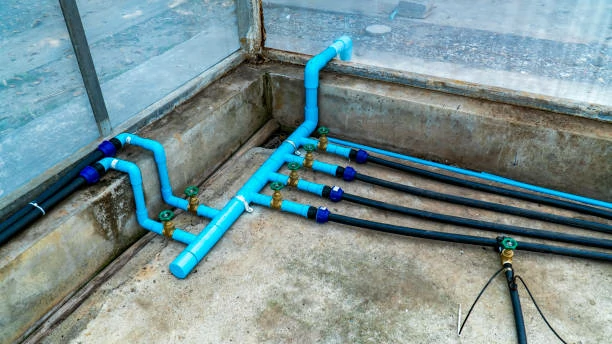
As environmental concerns continue to rise globally, the demand for sustainable solutions in infrastructure and building systems is more important than ever. Among these solutions, plastic water pipes have emerged as a key element in modern water distribution systems. These pipes offer numerous advantages over traditional materials, particularly when it comes to sustainability and environmental impact. This article explores how plastic water pipes align with current environmental policies, their role in reducing ecological footprints, and the innovations that make them a sustainable choice for modern water supply networks.
The Growing Need for Sustainable Water Infrastructure
The global population continues to grow, and urbanization accelerates, leading to increasing demand for water. At the same time, climate change and resource depletion threaten the sustainability of natural water supplies. Governments around the world are implementing stricter environmental policies to reduce carbon emissions, conserve resources, and promote sustainable practices. The construction and maintenance of water supply systems play a critical role in these efforts.
Water infrastructure has traditionally relied on materials such as steel, cast iron, and concrete, which often require more energy to produce, transport, and install. Additionally, these materials are prone to corrosion and require frequent maintenance, contributing to the depletion of resources over time. In contrast, plastic water pipes offer a range of benefits that contribute to both environmental sustainability and resource efficiency.
Plastic Water Pipes and Environmental Sustainability
Plastic water pipes, including those made from materials like Polyvinyl Chloride (PVC), High-Density Polyethylene (HDPE), and Cross-Linked Polyethylene (PEX), offer several advantages that align with environmental policies and goals:
1. Energy-Efficient Manufacturing Process
The production of plastic water pipes requires significantly less energy compared to the manufacturing of metal pipes. Traditional materials like steel and iron require high temperatures for smelting and processing, consuming substantial amounts of energy and releasing large quantities of greenhouse gases. Plastic pipe production, on the other hand, involves a much lower energy input. This reduction in energy consumption helps to lower the carbon footprint associated with the manufacturing of plumbing materials.
Moreover, the production of plastic pipes generally uses fewer raw materials than traditional materials. Plastics can be molded into precise shapes and sizes, which minimizes waste during production. This results in lower emissions and reduced environmental impact.
2. Long Lifespan and Durability
One of the significant environmental benefits of plastic water pipes is their long lifespan. These pipes do not corrode, unlike metal pipes, which can rust and degrade over time. Corrosion in metal pipes leads to leaks, water contamination, and the need for frequent repairs or replacements. Plastic pipes, however, resist corrosion and require less maintenance, which reduces the frequency of replacements and repairs.
The durability of plastic water pipes ensures a longer operational life, reducing the need for resource-intensive maintenance activities. In the context of urbanization, where infrastructure is constantly expanding, using materials with longer lifespans is crucial to reducing the environmental impact of construction and maintenance efforts.
3. Lightweight and Easy Installation
Plastic water pipes are considerably lighter than traditional materials like cast iron, concrete, or steel. This reduced weight simplifies the transportation process, reducing fuel consumption and carbon emissions associated with shipping. Additionally, lighter pipes are easier to handle, which speeds up installation times. Faster installation means reduced energy use during the construction phase of water distribution systems.
The ease of installation also minimizes the disruption to the environment during the construction process. Less excavation and fewer heavy machines are required, preserving the surrounding ecosystem and minimizing soil and water contamination.
4. Resistance to Chemicals and Environmental Stress
Plastic water pipes, especially those made from HDPE and PEX, are resistant to a wide range of chemicals that may be found in urban environments, such as chlorine, acids, and other substances used in water treatment processes. This resistance ensures that the pipes maintain their integrity over time, preventing leakage and water loss.
In addition to their resistance to chemicals, plastic pipes can withstand environmental stresses such as temperature fluctuations, ground movement, and exposure to moisture. These characteristics make plastic pipes more resilient in diverse environmental conditions, ensuring that they remain functional without frequent replacements.
5. Reduced Water Loss and Waste
Water loss due to leaking pipes is a significant issue in many urban areas, contributing to both wasted resources and unnecessary energy use. Plastic pipes have been shown to significantly reduce leakage compared to traditional materials like steel and concrete. The smooth inner surface of plastic pipes prevents the accumulation of minerals and debris, which can obstruct water flow and lead to leakage.
By reducing leakage, plastic water pipes help conserve water, reduce the need for excessive water treatment, and lower energy consumption associated with water supply systems. This supports environmental policies aimed at conserving water and reducing waste.
Recycling and Reuse: Plastic Pipes as a Sustainable Resource
One of the most compelling environmental advantages of plastic pipes is their recyclability. Many plastic water pipes, such as those made from PVC and HDPE, can be recycled at the end of their operational life. Recycling plastic pipes reduces the need for virgin materials, conserving natural resources and reducing the environmental impact of production.
In addition, the recycling process for plastic pipes requires less energy than manufacturing new pipes from raw materials. By investing in recycling technologies and creating systems to repurpose old plastic pipes, municipalities and industries can significantly reduce the amount of waste sent to landfills.
Furthermore, plastic pipes can be reused for non-water applications. For example, old pipes can be repurposed for construction materials, road barriers, or drainage systems, providing a second life for these materials and further reducing environmental impact.
Plastic Water Pipes and Green Building Certifications
The construction industry is increasingly focused on achieving sustainability certifications, such as Leadership in Energy and Environmental Design (LEED) or Green Globes. These certifications require compliance with environmental standards related to water use, energy efficiency, and resource conservation. Plastic water pipes play a crucial role in these certifications by offering energy-efficient installation, reducing water waste, and supporting the overall sustainability of buildings and infrastructure.
Moreover, many green building standards prioritize the use of environmentally friendly materials. The energy-efficient production process, durability, and recyclability of plastic pipes make them a favorable choice for builders aiming to meet these stringent standards. By using plastic pipes, builders and developers can contribute to the environmental goals outlined in these certifications.
Government Policies Supporting Sustainable Infrastructure
Governments around the world have implemented various policies to encourage the use of environmentally friendly materials in infrastructure projects. These policies include incentives for using sustainable materials, regulations that restrict the use of harmful substances, and initiatives aimed at reducing carbon emissions and waste.
Plastic pipes align well with these policies, particularly in terms of their low environmental impact during both production and use. Many governments are encouraging the adoption of plastic pipes in water distribution systems to reduce the overall environmental footprint of urban infrastructure. Additionally, as more municipalities invest in smart water systems and technologies to monitor water consumption and reduce waste, plastic pipes offer a reliable, durable, and sustainable solution.
Regulations on Waste and Water Conservation
Plastic pipes also help address regulations related to waste and water conservation. For instance, policies that encourage the reduction of water consumption and improved water quality often benefit from the use of plastic pipes. The reduced leakage and resistance to corrosion ensure that water reaches consumers in an efficient and clean manner.
Water conservation policies, which focus on reducing water waste and improving water management, are closely linked to the adoption of technologies that minimize environmental impact. Plastic pipes contribute to these goals by providing an effective and sustainable solution for water distribution systems.
Innovation in Plastic Water Pipes
Innovation continues to drive improvements in the environmental performance of plastic water pipes. New materials, coatings, and technologies are being developed to enhance the sustainability of plastic pipes even further. For example, some companies are developing biodegradable plastics or pipes made from recycled plastic, which can reduce the reliance on virgin plastic and minimize the environmental impact of production.
Additionally, new pipe designs are being introduced that optimize the flow of water, further reducing waste and improving system efficiency. These innovations help municipalities meet the growing demands for water while adhering to environmental policies aimed at sustainability.
Conclusion
Plastic water pipes offer an environmentally sustainable solution to the challenges posed by rapid urbanization and increasing water demand. With their energy-efficient manufacturing process, long lifespan, resistance to corrosion, and recyclability, plastic pipes align with global environmental policies that aim to reduce carbon emissions, conserve resources, and minimize waste.
As cities and countries continue to focus on sustainable development, plastic water pipes will play an increasingly important role in creating efficient, durable, and eco-friendly water distribution systems. By adopting these materials, municipalities can contribute to a greener future while ensuring a reliable and safe water supply for their growing populations.
IFAN international standard
IFAN’s HDPE products comply with various international standards, ensuring quality, durability, and reliability. These standards include ASTM D3035 and ASTM D3350, which define specifications for polyethylene (PE) pipes and materials. The ISO 4427 and EN 12201 series set global benchmarks for PE pipes used in water supply systems. Additionally, DIN 8074/8075 and GB/T 13663 establish performance and dimension requirements for HDPE pipes in European and Chinese markets. Other recognized standards, such as AS/NZS 4130 (Australia/New Zealand), JIS K6760 (Japan), BS 6572 (UK), and CSA B137.1 (Canada), further demonstrate IFAN’s commitment to meeting industry regulations worldwide.
Contact
IFAN is a professional manufacturer with of experience, dedicated to producing high-quality plastic pipes, fittings, and valves. Our products include brass valves, PPR valves, as well as various pipes and fittings to meet different customer needs. Whether you need plumbing and drainage pipes or valve products, IFAN can provide a diverse range of high-quality, cost-effective products to support your projects. Below is our contact information.
We will reply your email or fax within 24 hours.
You can call us at any time if there is any question on our production.
For more information,pls visit our webside https://www.ifanplus.com/
Pls Mailto: [email protected]
Whatsapp: + 86 19857948982























