


Introduction
Safe water systems play a crucial role in maintaining public health and hygiene. The choice of piping material directly affects water quality, durability, and system efficiency. Chlorinated Polyvinyl Chloride (CPVC) pipes have emerged as a reliable option for safe water supply systems in residential, commercial, and industrial settings. Their ability to withstand high temperatures, resist chemical corrosion, and prevent microbial growth makes them an excellent choice for transporting clean and potable water.
This article explores how CPVC pipes contribute to safe water systems by addressing water quality, installation efficiency, long-term durability, and environmental sustainability.
Ensuring Clean and Safe Water
CPVC pipes provide a non-toxic and hygienic solution for water distribution systems. The material does not leach harmful substances into the water, maintaining its purity from the source to the point of use.
Preventing Water Contamination
CPVC pipes resist scaling and buildup, which helps maintain consistent water flow and prevents bacterial growth. The smooth internal surface minimizes friction, reducing the risk of biofilm formation that could contaminate drinking water. Unlike metal pipes, CPVC does not corrode or release metallic particles into the water supply.
Maintaining Water Quality
Municipal water systems often use disinfectants such as chlorine to kill bacteria and viruses. CPVC pipes withstand chlorine exposure without degrading, ensuring that water remains safe throughout the distribution network.
Durability and Longevity in Water Systems
CPVC pipes offer exceptional durability, making them ideal for long-term safe water solutions. Their structural integrity ensures that they function efficiently in various environmental conditions.
High-Temperature Resistance
CPVC withstands temperatures up to 200°F (93°C), making it suitable for both hot and cold water applications. Traditional plastic pipes, such as standard PVC, soften under high temperatures, but CPVC maintains its strength and functionality.
Resistance to Corrosion and Chemicals
CPVC does not corrode when exposed to acidic or alkaline substances, ensuring long-lasting performance. Unlike galvanized steel or copper pipes, CPVC does not rust or degrade due to chemical reactions with water additives.
Structural Strength and Flexibility
CPVC pipes resist impact damage, reducing the likelihood of leaks or fractures. Their flexibility allows for easy installation in complex plumbing systems, including high-rise buildings and industrial facilities.
Efficiency in Installation and Maintenance
CPVC pipes simplify the installation process, reducing labor costs and system downtime. Their lightweight nature and compatibility with various fittings make them a practical choice for new constructions and retrofit projects.
Easy Handling and Joining
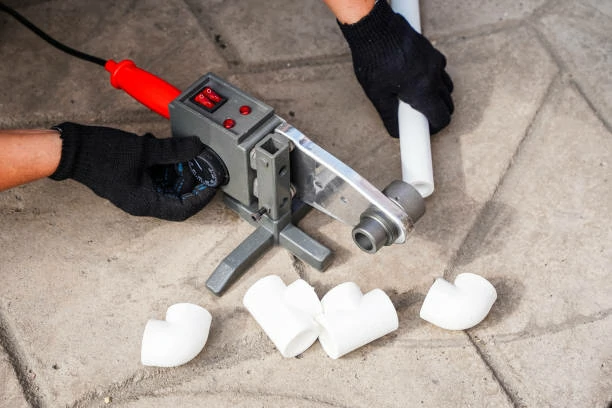
CPVC pipes weigh significantly less than metal pipes, making transportation and handling easier. Solvent cement bonding provides strong, leak-proof joints without requiring welding or threading.
Low Maintenance Requirements
CPVC pipes do not require frequent inspections or costly treatments to prevent corrosion. Their resistance to scaling and sediment buildup ensures minimal cleaning and maintenance over time.
CPVC in Residential and Commercial Plumbing
The versatility of CPVC makes it suitable for a wide range of applications in residential homes, commercial buildings, and industrial facilities.
Residential Water Supply
CPVC pipes deliver clean drinking water without altering taste, odor, or safety. Homeowners benefit from an affordable, durable piping solution that does not require frequent replacements. The material’s heat resistance allows for reliable performance in both hot and cold water systems.
Commercial and Industrial Applications
Hospitals and laboratories use CPVC pipes for transporting purified water due to their non-toxic properties. Hotels, schools, and office buildings benefit from CPVC’s reliability in high-demand plumbing systems. Industrial facilities use CPVC for transporting water in chemical processing and manufacturing environments.
CPVC in Water Treatment and Distribution
Municipal water treatment plants and large-scale distribution networks require pipes that can maintain water quality over long distances. CPVC plays a critical role in these systems by providing a safe, efficient, and long-lasting solution.
Municipal Water Treatment Systems
CPVC pipes transport treated water from filtration plants to homes and businesses without introducing contaminants. Their ability to resist chlorine and other disinfectants ensures that water remains safe during transit.
Water Distribution Networks
CPVC’s leak-resistant joints minimize water loss and prevent infiltration from surrounding soil contaminants. The material’s flexibility allows for expansion and contraction, reducing the risk of cracks and leaks in extreme temperatures.
Environmental Benefits of CPVC Pipes
Sustainable water management depends on materials that reduce waste and energy consumption. CPVC pipes contribute to environmental conservation in several ways.
Energy Efficiency
CPVC’s smooth interior reduces friction, allowing water to flow more efficiently and decreasing pumping energy requirements. The material’s insulation properties minimize heat loss in hot water systems, improving overall energy efficiency.
Long Service Life and Reduced Waste
CPVC pipes last decades without requiring replacement, reducing material waste in landfills. Their resistance to environmental factors, such as UV exposure and chemical degradation, ensures extended usability.
Recyclability and Eco-Friendly Manufacturing
CPVC can be repurposed or recycled into new piping materials, reducing its environmental footprint. Many manufacturers implement sustainable production processes that minimize emissions and resource consumption.
CPVC Pipes in Disaster Relief and Emergency Water Supply
Natural disasters and emergencies often disrupt clean water access, making durable piping solutions essential for rapid response efforts. CPVC pipes help restore safe water systems in affected areas.
Emergency Water Distribution
Relief organizations use CPVC pipes to set up temporary water supply systems for displaced communities. Quick installation and lightweight properties enable faster deployment compared to metal pipes.
Resilient Infrastructure in Disaster-Prone Areas
CPVC withstands earthquakes, hurricanes, and extreme weather conditions better than many traditional piping materials. The material’s corrosion resistance ensures that pipes remain functional in flood-prone regions.
The Future of CPVC in Safe Water Systems
As global water demands increase, CPVC pipes will continue to evolve with new innovations and applications. Emerging technologies will further enhance their efficiency, safety, and sustainability.
Smart Plumbing Systems
CPVC pipes may integrate with IoT-based monitoring systems that detect leaks, pressure changes, and water quality issues. Real-time data collection will help utilities and homeowners optimize water usage and prevent contamination.
Advancements in Antimicrobial Coatings
Research into antimicrobial CPVC coatings will enhance protection against bacteria and viruses in water systems. These innovations will improve water safety in healthcare facilities, schools, and public water networks.
Expanded Use in Water-Sensitive Regions
Developing countries and arid regions will benefit from CPVC’s cost-effective and reliable water transport capabilities. Governments and NGOs may implement CPVC-based infrastructure projects to improve access to clean drinking water.
Conclusion
CPVC pipes provide a safe, durable, and efficient solution for water systems in residential, commercial, and industrial applications. Their resistance to corrosion, microbial growth, and high temperatures ensures reliable water delivery without compromising quality. Additionally, CPVC’s ease of installation, low maintenance requirements, and environmental benefits make it an ideal choice for modern plumbing infrastructure.
With continuous advancements in material science and sustainable manufacturing, CPVC will play a vital role in securing clean water access for future generations.
IFAN international standard
IFAN’s HDPE products comply with various international standards, ensuring quality, durability, and reliability. These standards include ASTM D3035 and ASTM D3350, which define specifications for polyethylene (PE) pipes and materials. The ISO 4427 and EN 12201 series set global benchmarks for PE pipes used in water supply systems. Additionally, DIN 8074/8075 and GB/T 13663 establish performance and dimension requirements for HDPE pipes in European and Chinese markets. Other recognized standards, such as AS/NZS 4130 (Australia/New Zealand), JIS K6760 (Japan), BS 6572 (UK), and CSA B137.1 (Canada), further demonstrate IFAN’s commitment to meeting industry regulations worldwide.
Contact
IFAN is a professional manufacturer with of experience, dedicated to producing high-quality plastic pipes, fittings, and valves. Our products include brass valves, PPR valves, as well as various pipes and fittings to meet different customer needs. Whether you need plumbing and drainage pipes or valve products, IFAN can provide a diverse range of high-quality, cost-effective products to support your projects. Below is our contact information.
We will reply your email or fax within 24 hours.
You can call us at any time if there is any question on our production.
For more information,pls visit our webside https://www.ifanplus.com/
Pls Mailto: [email protected]
Whatsapp: + 86 19857948982























