


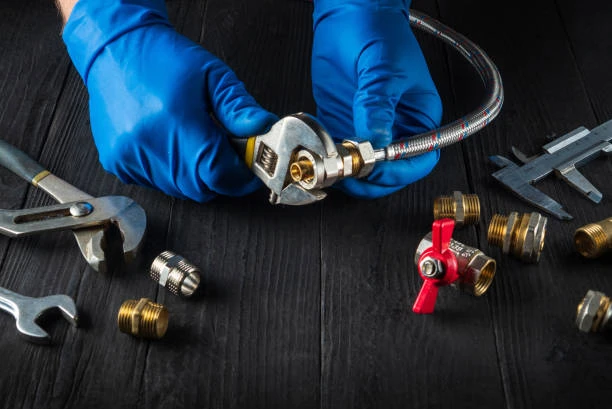
Introduction
The market for copper water valves has evolved significantly in recent years. The demand for copper water valves continues to grow due to their reliability, durability, and superior performance in water distribution systems. With advancements in plumbing technology and increasing awareness of water conservation, copper valves are becoming more popular in both residential and commercial markets. This article explores the various trends in the copper water valve market, including technological innovations, sustainability efforts, and shifting consumer preferences.
Increasing Demand for Durable and Long-Lasting Solutions
The demand for durable, long-lasting solutions in the plumbing industry is on the rise. Homeowners, businesses, and industries are increasingly looking for products that offer longevity and reliability. Copper water valves fit this demand perfectly due to their exceptional resistance to corrosion and ability to withstand high pressure and temperature. Their superior lifespan compared to valves made from other materials, such as plastic or steel, makes them a valuable investment for customers.
As plumbing systems age, there is an increasing need for high-quality valves that will stand the test of time. Copper water valves, with their ability to endure harsh conditions, meet the market’s need for longevity. These valves are particularly popular in regions with harsh climates or high water salinity, where other materials would degrade more quickly. The growing preference for long-term, cost-effective solutions has increased the market share of copper water valves.
Technological Advancements and Innovations
Technological advancements are influencing the copper water valve market. Manufacturers are constantly innovating to improve the design and functionality of copper valves. Modern copper valves are now equipped with advanced features such as enhanced flow control, better sealing technology, and improved corrosion resistance. These innovations allow copper valves to perform even better in challenging environments, including high-pressure and high-temperature systems.
Smart water systems are becoming more common, and copper valves are adapting to these changes. The integration of copper valves with automated water management systems allows for better control and monitoring of water flow. These valves are now equipped with sensors that monitor water usage, detect leaks, and alert users to maintenance needs. The trend of smart plumbing solutions is expected to grow, and copper valves are well-positioned to be a part of this evolution.
Sustainability and Environmental Considerations
Sustainability is a significant trend driving the growth of the copper water valve market. Copper is a highly sustainable material due to its recyclability and durability. As environmental awareness grows, consumers are more focused on reducing their ecological footprint. Copper water valves align well with these concerns as they can be recycled multiple times without degrading their quality.
Manufacturers are increasingly adopting eco-friendly practices in the production of copper valves. This includes reducing the carbon footprint of production processes and minimizing waste. Copper’s inherent resistance to corrosion also means that fewer replacements are necessary, leading to less material waste over time. The emphasis on reducing environmental impact has led to increased interest in copper valves, as they provide a long-lasting, recyclable solution for water management.
Additionally, copper’s antimicrobial properties add another layer of environmental benefit. These properties help prevent the growth of harmful bacteria and microbes in water systems, ensuring cleaner, safer water. As people become more aware of the importance of water quality, the demand for copper valves is expected to rise.
Shifting Consumer Preferences
Consumer preferences in the plumbing industry have shifted in recent years. There is now a greater emphasis on water conservation and the efficiency of plumbing systems. Copper water valves play a crucial role in these efforts by providing more precise control over water flow and preventing leaks. Their reliability ensures that water systems operate efficiently, reducing waste and promoting better resource management.
Consumers are also more inclined to choose products that offer both functionality and aesthetics. Copper valves, with their distinctive color and natural patina, provide a visually appealing option for high-end residential and commercial installations. As more consumers look for durable yet attractive solutions, copper water valves are gaining popularity due to their unique aesthetic qualities.
Another shift in consumer behavior is the increasing preference for materials that are safe for both humans and the environment. Copper is non-toxic and does not leach harmful chemicals into the water, which appeals to health-conscious consumers. This trend is especially prominent in the residential sector, where homeowners prioritize safe and sustainable products for their plumbing systems.
Global Expansion of Copper Water Valve Markets
The global market for copper water valves has expanded significantly. As infrastructure development continues in emerging markets, the demand for copper valves in these regions is growing. Countries in Asia, Africa, and Latin America are investing heavily in water distribution infrastructure, which increases the need for reliable and durable valve solutions. Copper water valves are well-suited to these markets due to their superior performance and longevity.
In addition to emerging markets, established markets in North America and Europe continue to experience strong demand for copper water valves. In these regions, the trend toward modernizing plumbing systems and upgrading infrastructure is contributing to the growth of the copper valve market. Both residential and commercial sectors are investing in high-quality water management solutions to ensure the longevity of their systems and minimize maintenance costs.
As these regions continue to urbanize and industrialize, the need for advanced water management systems will increase. Copper valves, with their durability and adaptability, are expected to play a significant role in these expanding markets. The ability to withstand extreme conditions and provide reliable performance makes copper water valves a popular choice in rapidly developing regions.
Price Trends and Market Competition
Price remains an important factor in the copper water valve market. While copper valves tend to be more expensive upfront than valves made from other materials, their long lifespan and minimal maintenance costs make them a cost-effective option in the long run. As more consumers and businesses become aware of the total cost of ownership, copper valves are gaining popularity despite their higher initial cost.
Manufacturers are also focusing on reducing production costs to make copper valves more affordable. Advances in manufacturing processes, such as automation and more efficient sourcing of materials, help lower the cost of copper valves. These improvements allow manufacturers to offer competitive pricing while maintaining high product quality.
Competition in the copper valve market is growing as more players enter the market. In response to increasing demand, manufacturers are innovating to differentiate their products. Companies are offering valves with advanced features such as improved corrosion resistance, better flow control, and compatibility with smart water management systems. These innovations are driving competition and contributing to the growth of the market.
Challenges Facing the Copper Water Valve Market
Despite the many advantages of copper water valves, the market faces some challenges. One of the primary concerns is the fluctuating price of copper. As copper prices rise due to supply chain issues or geopolitical factors, the cost of copper valves may increase. This can lead to higher costs for consumers, potentially reducing demand.
Additionally, the rise of alternative materials, such as plastic and composite valves, presents a challenge to the copper valve market. These materials are often cheaper to produce and are gaining traction in the plumbing industry. Manufacturers of copper valves must continue to innovate and find ways to make copper a more attractive option compared to these alternatives.
Another challenge is the environmental impact of copper mining. While copper itself is recyclable, the extraction process can have significant environmental consequences. As demand for copper increases, the industry must find ways to balance the benefits of copper valves with the environmental costs of mining.
Future Outlook
The future of the copper water valve market looks promising. With continued urbanization, increased infrastructure development, and growing consumer awareness of water quality and sustainability, the demand for copper valves is expected to rise. Technological advancements, such as the integration of copper valves into smart water management systems, will also drive market growth.
As copper valve manufacturers continue to innovate and improve their products, copper valves will remain a top choice for reliable and durable water management. The market for copper water valves is poised for further expansion, particularly in emerging markets where infrastructure development is a key priority.
Conclusion
The copper water valve market is experiencing significant growth, driven by increasing demand for durable, reliable, and environmentally friendly solutions. Copper’s unique properties, such as its corrosion resistance, longevity, and non-toxic nature, make it an ideal material for water management systems. Technological advancements and the growing focus on sustainability are shaping the market, and copper valves are well-positioned to meet these demands.
As consumer preferences continue to evolve, copper valves will remain a popular choice for both residential and commercial applications. Despite challenges such as fluctuating copper prices and competition from alternative materials, the advantages of copper valves ensure their continued relevance in the plumbing industry. The future of the copper water valve market looks bright, with strong growth expected in the coming years.
IFAN international standard
IFAN’s HDPE products comply with various international standards, ensuring quality, durability, and reliability. These standards include ASTM D3035 and ASTM D3350, which define specifications for polyethylene (PE) pipes and materials. The ISO 4427 and EN 12201 series set global benchmarks for PE pipes used in water supply systems. Additionally, DIN 8074/8075 and GB/T 13663 establish performance and dimension requirements for HDPE pipes in European and Chinese markets. Other recognized standards, such as AS/NZS 4130 (Australia/New Zealand), JIS K6760 (Japan), BS 6572 (UK), and CSA B137.1 (Canada), further demonstrate IFAN’s commitment to meeting industry regulations worldwide.
Contact
IFAN is a professional manufacturer with of experience, dedicated to producing high-quality plastic pipes, fittings, and valves. Our products include brass valves, PPR valves, as well as various pipes and fittings to meet different customer needs. Whether you need plumbing and drainage pipes or valve products, IFAN can provide a diverse range of high-quality, cost-effective products to support your projects. Below is our contact information.
We will reply your email or fax within 24 hours.
You can call us at any time if there is any question on our production.
For more information,pls visit our webside https://www.ifanplus.com/
Pls Mailto: [email protected]
Whatsapp: + 86 19857948982























