


Introduction
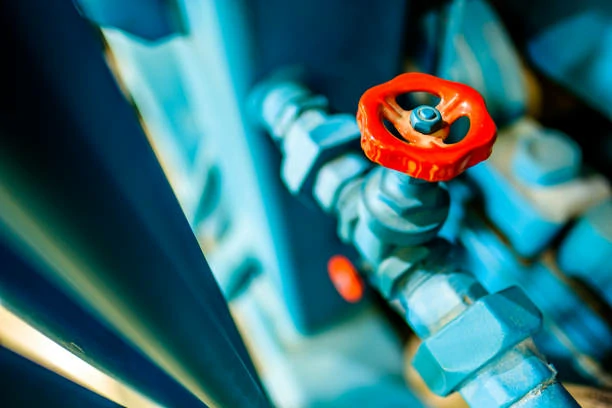
Copper water valves provide reliable performance in residential, industrial, and municipal water systems. Many industries choose copper for its durability, corrosion resistance, and ability to withstand extreme conditions. The lifespan of a copper water valve depends on material quality, usage conditions, and maintenance practices. Proper installation and regular upkeep ensure a long service life and consistent performance.
Understanding the factors that influence longevity helps users select the right valves for their applications. This article explores the characteristics of copper water valves, their expected lifespan, and the best practices for maximizing durability.
Durability of Copper as a Valve Material
Copper remains one of the most durable materials used in plumbing and water systems. Its resistance to rust, mineral buildup, and chemical degradation ensures long-term functionality. Unlike plastic or iron alternatives, copper does not weaken easily when exposed to moisture, heat, or pressure fluctuations.
High-quality copper alloys enhance strength and longevity. Brass, a copper-based alloy, provides additional durability in high-pressure environments. Manufacturers use different copper grades to meet specific application requirements, ensuring optimal performance in both household and industrial systems.
Factors Affecting the Lifespan of Copper Water Valves
Water Quality and Composition
Hard water with high mineral content accelerates scale buildup inside valves, reducing efficiency. Regular cleaning prevents deposits from restricting flow and damaging valve components.
Chemically treated water affects copper surfaces over time. Acidic water causes gradual wear, while chlorinated water may react with copper and reduce longevity. Proper filtration systems help maintain water quality and extend valve life.
Pressure and Flow Conditions
Excessive pressure places stress on valve components, leading to faster wear. Valves designed for high-pressure applications withstand greater force without damage. Proper system design ensures stable pressure levels and prevents unnecessary strain.
Abrupt flow changes create pressure surges that stress valve seals and moving parts. Gradual valve operation minimizes sudden impacts and extends service life.
Temperature Variations
Copper withstands temperature changes better than many other metals. Extreme heat or freezing conditions affect valve performance over time. Insulating pipes and valves in cold environments prevents cracking and structural damage.
Mechanical Wear and Tear
Frequent adjustments wear down internal components. Ball valves with smooth-turning mechanisms handle repeated operation better than threaded or compression-based designs. Choosing the right valve type for specific needs reduces unnecessary wear.
Foreign particles in the water system scratch internal valve surfaces, leading to leaks and reduced performance. Installing filters before valves prevents debris from causing damage.
Installation Quality
Poorly sealed connections cause leaks and corrosion. Using high-quality fittings and ensuring secure installation prevent early failure.
Misalignment between pipes and valves creates stress on joints, reducing lifespan. Precision in installation ensures proper function and longevity.
Expected Lifespan of Copper Water Valves
Well-maintained copper valves last decades in household plumbing systems. Many residential copper water valves function efficiently for or more.
In industrial settings, exposure to chemicals, pressure variations, and heavy usage reduces lifespan. Proper maintenance and protective measures extend operational years.
Municipal water supply systems use copper valves designed for long-term performance. Some valves function for over 100 years with periodic servicing and replacements of worn components.
Best Practices for Extending the Lifespan of Copper Water Valves
Regular Inspections and Maintenance
Routine checks help detect leaks, corrosion, or wear before serious issues arise. Inspecting valve seals, connections, and internal components ensures early intervention.
Cleaning prevents mineral deposits and debris from restricting water flow. Simple maintenance routines enhance performance and longevity.
Proper Usage and Handling
Avoiding excessive force when opening or closing valves reduces mechanical stress. Smooth operation ensures long-term reliability.
Using valves within their recommended pressure and temperature ranges prevents structural failure. Manufacturer guidelines help users maintain safe operating conditions.
Protective Coatings and Insulation
Applying protective coatings shields copper from harsh chemicals and environmental exposure. Special coatings improve resistance in extreme conditions.
Insulating pipes and valves in cold regions prevents freezing and expansion-related damage. Proper insulation reduces temperature-related wear.
Corrosion Prevention Measures
Using compatible materials in plumbing systems prevents galvanic corrosion. Connecting copper valves to similar metals avoids electrochemical reactions that weaken components.
Installing water treatment systems reduces acidity and removes harmful chemicals. Balanced water composition protects copper surfaces and extends valve life.
Timely Repairs and Replacements
Replacing worn-out seals, washers, and gaskets prevents leaks and ensures efficient operation. Small repairs extend overall valve functionality.
Monitoring performance helps identify declining efficiency. Addressing minor issues prevents complete failure and costly replacements.
Comparison with Other Valve Materials
Copper vs. Brass
Brass valves provide similar durability but contain additional zinc. They resist corrosion well but may not match pure copper’s longevity in aggressive water conditions.
Copper vs. Stainless Steel
Stainless steel valves offer excellent strength and chemical resistance. However, they cost more and require careful maintenance to prevent scaling.
Copper vs. Plastic
Plastic valves degrade faster in high-pressure and high-temperature environments. They offer cost savings but lack copper’s long-term reliability.
Copper vs. Cast Iron
Cast iron valves handle high-pressure applications but rust over time. Copper’s corrosion resistance makes it the better choice for water distribution systems.
Signs That Indicate the Need for Valve Replacement
Reduced Water Flow
Blockages from mineral deposits or worn-out components decrease water pressure. Consistent maintenance prevents performance loss.
Leaks and Drips
Water escaping around valve seals indicates internal wear. Replacing washers and gaskets stops leaks before they worsen.
Corrosion or Discoloration
Visible green or blue stains on copper surfaces suggest oxidation. Regular cleaning and protective measures prevent corrosion from spreading.
Difficult Operation
Stiff or stuck valves indicate mechanical wear. Smooth-turning mechanisms ensure efficient operation and longevity.
Unusual Noises
Whistling or rattling sounds signal pressure imbalances or internal damage. Checking system stability prevents further valve deterioration.
Conclusion
Copper water valves provide long-lasting performance in diverse applications. Their resistance to corrosion, pressure fluctuations, and temperature extremes makes them a preferred choice for plumbing and industrial systems.
Proper maintenance, installation, and water quality management ensure a long service life. Regular inspections, protective measures, and timely repairs extend valve functionality and prevent costly failures.
Compared to other materials, copper offers superior durability and reliability. By following best practices, users maximize the lifespan of copper water valves, ensuring efficient and trouble-free operation for decades.
IFAN international standard
IFAN’s HDPE products comply with various international standards, ensuring quality, durability, and reliability. These standards include ASTM D3035 and ASTM D3350, which define specifications for polyethylene (PE) pipes and materials. The ISO 4427 and EN 12201 series set global benchmarks for PE pipes used in water supply systems. Additionally, DIN 8074/8075 and GB/T 13663 establish performance and dimension requirements for HDPE pipes in European and Chinese markets. Other recognized standards, such as AS/NZS 4130 (Australia/New Zealand), JIS K6760 (Japan), BS 6572 (UK), and CSA B137.1 (Canada), further demonstrate IFAN’s commitment to meeting industry regulations worldwide.
Contact
IFAN is a professional manufacturer with of experience, dedicated to producing high-quality plastic pipes, fittings, and valves. Our products include brass valves, PPR valves, as well as various pipes and fittings to meet different customer needs. Whether you need plumbing and drainage pipes or valve products, IFAN can provide a diverse range of high-quality, cost-effective products to support your projects. Below is our contact information.
We will reply your email or fax within 24 hours.
You can call us at any time if there is any question on our production.
For more information,pls visit our webside https://www.ifanplus.com/
Pls Mailto: [email protected]
Whatsapp: + 86 19857948982























