


Introduction
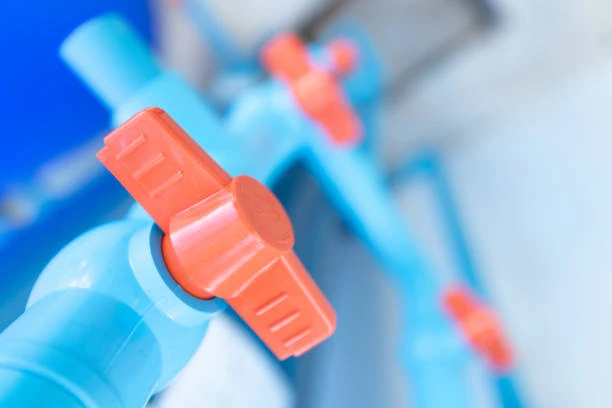
PVC plastic valves offer excellent performance in various industries, including water supply, irrigation, chemical processing, and wastewater management. Their durability, chemical resistance, lightweight design, and cost-effectiveness make them a preferred choice over metal alternatives. Engineers, manufacturers, and end-users benefit from the reliability and efficiency of PVC valves in different applications.
This article explores the key performance advantages of them, including their durability, corrosion resistance, cost efficiency, ease of installation, and environmental benefits.
Durability and Longevity
High Strength and Impact Resistance
PVC plastic valves handle mechanical stress efficiently. Their strong molecular structure withstands impact, preventing cracks or fractures during installation and operation. These valves maintain structural integrity even in demanding environments.
Resistance to Wear and Tear
Continuous flow of liquids can cause material degradation. PVC valves resist abrasion, reducing the risk of internal wear over extended periods. Their smooth internal surface prevents sediment buildup, enhancing long-term performance.
Reliable Performance in Harsh Conditions
Extreme temperatures, moisture, and chemicals can affect valve performance. PVC plastic valves operate reliably in various conditions without losing their mechanical properties. They provide consistent functionality in industrial, agricultural, and residential applications.
Corrosion and Chemical Resistance
Protection Against Rust and Corrosion
Metal valves corrode over time, leading to leaks and inefficiencies. They eliminate this issue because they do not rust, even in water, chemicals, or humid environments. This advantage extends their service life and reduces maintenance needs.
Resistance to Chemical Exposure
Industrial processes, irrigation systems, and wastewater treatment plants use chemicals that can degrade metal components. PVC plastic valves resist acids, alkalis, salts, and other aggressive substances. This feature ensures long-term stability in harsh environments.
No Degradation from UV Exposure
Outdoor applications expose valves to sunlight and UV radiation. They maintain their strength and color under prolonged sun exposure, making them suitable for irrigation and outdoor piping systems.
Cost Efficiency
Affordable Material and Production Costs
PVC plastic costs less than metals such as brass and stainless steel. Lower material expenses reduce overall valve costs, making them an economical choice for large-scale projects. Their affordability benefits industries that require extensive piping systems.
Lower Installation and Labor Costs
Lightweight PVC valves reduce transportation expenses and simplify installation. Workers handle these valves easily, minimizing labor costs and installation time. The ability to use simple joining techniques further reduces overall project costs.
Reduced Maintenance and Replacement Expenses
Durability and chemical resistance minimize maintenance needs. PVC plastic valves do not require frequent replacements or repairs, lowering long-term operational costs. Their reliability in harsh conditions reduces downtime and system failures.
Ease of Installation and Versatility
Lightweight Structure for Easy Handling
Compared to metal alternatives, PVC plastic valves weigh significantly less. This characteristic simplifies transportation, storage, and installation. Workers do not require heavy lifting equipment, reducing effort and time.
Multiple Connection Methods
They connect easily with various pipe types through solvent cement welding, threading, or flanging. These options allow flexible installation in different systems, including water distribution, irrigation, and industrial applications.
Compatibility with Different Fluids and Systems
PVC plastic valves work with water, chemicals, gases, and wastewater. Their versatility enables use in multiple industries, including agriculture, manufacturing, and municipal water treatment. Engineers select PVC valves for their adaptability to different operating conditions.
Environmental Benefits
Non-Toxic and Safe for Water Systems
PVC plastic meets international safety standards for potable water applications. These valves do not leach harmful chemicals into drinking water, ensuring safe and clean distribution.
Energy Efficiency in Manufacturing
Producing PVC plastic valves consumes less energy compared to metal alternatives. Their lightweight nature also reduces fuel consumption during transportation, lowering the overall carbon footprint.
Recyclability and Sustainable Usage
PVC plastic valves contribute to sustainable resource use. Many PVC components undergo recycling, reducing waste and environmental impact. Their long lifespan further supports sustainability by decreasing replacement frequency.
Sealing and Leak Prevention
Tight Sealing for Efficient Flow Control
PVC plastic valves provide excellent sealing properties. O-rings and gaskets ensure leak-free operation, preventing water loss and system inefficiencies. Their reliable sealing minimizes energy and resource wastage.
Low Friction and Smooth Flow Characteristics
Smooth internal surfaces reduce friction, allowing efficient fluid movement. Low resistance improves energy efficiency in pumping systems, decreasing power consumption and operational costs.
High Pressure and Temperature Tolerance
Designed for Stable Pressure Control
PVC plastic valves handle varying pressure conditions in different applications. Their ability to regulate flow without structural failure ensures reliability in high-pressure water distribution and industrial processes.
Moderate Temperature Resistance
Standard PVC plastic valves function well in moderate temperature ranges. For higher temperature applications, CPVC (Chlorinated Polyvinyl Chloride) valves offer better heat resistance. These variations provide options for different system requirements.
Automation and Smart Control Integration
Compatibility with Automated Systems
Modern industrial and agricultural operations integrate smart control systems for efficient fluid management. PVC plastic valves work with actuators, sensors, and electronic controllers, enabling automation in irrigation, water treatment, and industrial applications.
Reliable Performance in Remote Operations
PVC plastic valves operate effectively in remote and automated settings. Their durability and low maintenance needs make them ideal for locations where frequent manual adjustments are impractical.
Applications Benefiting from PVC Plastic Valves
Water Supply and Distribution
Municipal and residential water supply networks rely on PVC plastic valves for consistent flow control. Their corrosion resistance ensures long-term functionality without contamination risks.
Agricultural Irrigation Systems
Farmers use PVC plastic valves to regulate water flow in drip, sprinkler, and flood irrigation systems. Their affordability and ease of installation support large-scale agricultural operations.
Chemical Processing and Industrial Use
Factories handling acids, alkalis, and solvents benefit from the chemical resistance of PVC plastic valves. These valves provide reliable flow control in harsh industrial environments.
Wastewater Treatment and Drainage Systems
PVC plastic valves contribute to efficient wastewater management. Their ability to withstand corrosive waste fluids makes them essential in sewage and drainage networks.
Swimming Pools and Recreational Water Systems
Chlorinated water in pools and spas requires corrosion-resistant valves. PVC plastic valves maintain consistent performance without degradation from chemicals and constant water exposure.
Conclusion
PVC plastic valves offer numerous performance advantages, making them an excellent choice for fluid control applications. Their durability, corrosion resistance, affordability, and ease of installation provide long-term benefits across multiple industries. Their compatibility with automation systems further enhances their efficiency in modern operations.
By selecting PVC plastic valves, industries achieve cost savings, improved reliability, and sustainable resource use. These valves continue to serve as essential components in water distribution, agriculture, industrial processing, and environmental protection systems.
IFAN international standard
IFAN’s HDPE products comply with various international standards, ensuring quality, durability, and reliability. These standards include ASTM D3035 and ASTM D3350, which define specifications for polyethylene (PE) pipes and materials. The ISO 4427 and EN 12201 series set global benchmarks for PE pipes used in water supply systems. Additionally, DIN 8074/8075 and GB/T 13663 establish performance and dimension requirements for HDPE pipes in European and Chinese markets. Other recognized standards, such as AS/NZS 4130 (Australia/New Zealand), JIS K6760 (Japan), BS 6572 (UK), and CSA B137.1 (Canada), further demonstrate IFAN’s commitment to meeting industry regulations worldwide.
Contact
IFAN is a professional manufacturer with of experience, dedicated to producing high-quality plastic pipes, fittings, and valves. Our products include brass valves, PPR valves, as well as various pipes and fittings to meet different customer needs. Whether you need plumbing and drainage pipes or valve products, IFAN can provide a diverse range of high-quality, cost-effective products to support your projects. Below is our contact information.
We will reply your email or fax within 24 hours.
You can call us at any time if there is any question on our production.
For more information,pls visit our webside https://www.ifanplus.com/
Pls Mailto: [email protected]
Whatsapp: + 86 19857948982























