


Introduction
PVC plastic valves serve as essential components in fluid control systems. Their structure determines their functionality, efficiency, and durability. Engineers design these valves with precision to ensure smooth operation in water supply, irrigation, chemical processing, and industrial applications. Each component plays a vital role in regulating flow, preventing leaks, and maintaining pressure stability.
This article explores the structure of PVC plastic valves, covering their main components, design variations, internal mechanisms, sealing technology, and material reinforcements.
Main Components of PVC Plastic Valves
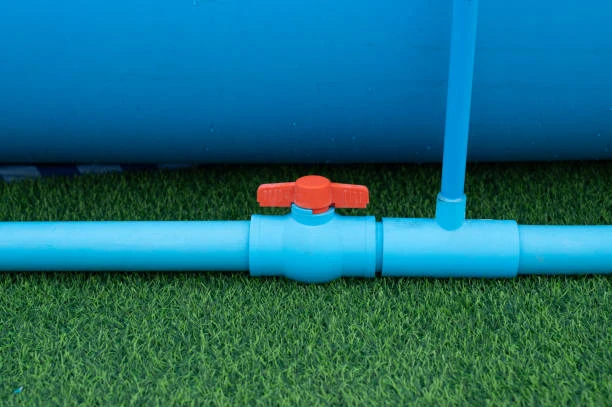
PVC plastic valves consist of several essential parts that work together to control fluid movement. These components include the valve body, handle or actuator, sealing elements, and connection ends.
Valve Body
The valve body forms the main structure and houses internal components. Manufacturers shape this component using durable polyvinyl chloride (PVC), ensuring resistance to corrosion and chemical exposure. The body features a passageway that allows fluid to flow when the valve opens. Different valve types, such as ball, gate, check, and butterfly valves, feature distinct body designs to suit specific applications.
Handle or Actuator
The handle or actuator provides manual or automatic control over valve operation. Manual valves use levers, knobs, or wheels to open and close the flow path. Automated systems integrate electric, pneumatic, or hydraulic actuators to regulate flow remotely. Properly designed handles enhance user control, ensuring efficient operation in various environments.
Sealing Elements
Sealing elements prevent leakage and maintain pressure stability. These components include O-rings, gaskets, and seats made from rubber, silicone, or elastomers. Properly engineered seals ensure a tight closure when the valve shuts, preventing fluid loss and contamination.
Connection Ends
Connection ends allow PVC plastic valves to integrate seamlessly into piping systems. Manufacturers offer various connection styles, including threaded, socket, and flanged ends. Threaded connections use screw-type fittings, while socket connections rely on solvent cement bonding. Flanged ends provide secure fastening with bolts and gaskets.
Structural Variations Based on Valve Type
Different types of PVC plastic valves feature unique structural designs. Each type suits specific flow control requirements.
Ball Valve Structure
A PVC ball valve contains a rotating spherical ball inside the valve body. A central hole in the ball aligns with the pipeline to allow flow. Rotating the handle 90 degrees turns the ball, blocking or opening the passage. This design ensures quick shutoff, minimal pressure drop, and reliable sealing.
Gate Valve Structure
A PVC gate valve uses a sliding gate to regulate fluid flow. When raised, the gate permits unrestricted movement. Lowering the gate completely blocks flow. This design suits high-flow applications requiring gradual opening and closing. The internal structure minimizes turbulence, reducing energy loss in large pipelines.
Check Valve Structure
A PVC check valve prevents backflow by allowing fluid to move in only one direction. This valve includes a disc or flap that opens when fluid moves forward and closes when reverse pressure occurs. Spring-loaded check valves enhance responsiveness, ensuring protection against pressure fluctuations.
Butterfly Valve Structure
A PVC butterfly valve features a rotating disc inside the body. A central shaft connects the disc to the handle or actuator. Rotating the shaft moves the disc to control flow. This compact design allows quick regulation, making butterfly valves suitable for large-diameter pipelines.
Internal Mechanisms for Flow Control
PVC plastic valves incorporate precise internal mechanisms to regulate flow effectively.
Rotational Control Mechanism
Ball and butterfly valves rely on a rotational control mechanism. The rotating ball or disc alters the passage size, adjusting flow rates. Smooth surface finishes reduce friction, ensuring efficient operation.
Linear Motion Control Mechanism
Gate and globe valves function through linear motion. Raising or lowering a gate or plug modifies flow resistance. This mechanism suits applications requiring gradual control instead of rapid shutoff.
Spring-Loaded Mechanism
Check valves use spring-loaded mechanisms to control backflow. The internal spring responds to pressure changes, keeping the valve closed when reverse flow occurs. This mechanism ensures automatic operation without manual intervention.
Sealing Technology for Leak Prevention
PVC plastic valves incorporate advanced sealing technology to prevent fluid leakage.
O-Ring Seals
O-rings made from elastomers ensure a tight seal between moving parts. Properly sized O-rings maintain flexibility, accommodating pressure changes without compromising performance.
PTFE Seats
Ball valves use PTFE (polytetrafluoroethylene) seats to enhance sealing performance. These seats offer low friction, ensuring smooth ball movement while preventing leaks.
Gasket Sealing
Flanged PVC valves incorporate gaskets between mating surfaces to maintain a leak-proof connection. These gaskets resist chemical attack and temperature fluctuations.
Reinforcements for Structural Strength
Manufacturers reinforce PVC plastic valves to enhance structural durability.
Fiber Reinforcements
Some PVC valves include fiberglass reinforcements to improve mechanical strength. These reinforcements resist impact, ensuring longevity in demanding environments.
UV Stabilizers
Outdoor PVC valves receive UV stabilizers to prevent degradation from sunlight exposure. These additives protect against brittleness and discoloration.
Pressure-Rated Designs
High-pressure applications require PVC valves with thicker walls and reinforced connection points. These structural enhancements prevent deformation under stress.
Conclusion
PVC plastic valves feature a well-engineered structure that ensures reliable fluid control. Their design includes durable bodies, efficient actuators, secure sealing elements, and strong connection ends. Different valve types incorporate unique mechanisms, enabling precise flow regulation. Advanced sealing technology and structural reinforcements enhance performance in diverse applications.
Understanding the structure of PVC plastic valves allows industries to select the right components for their systems. Proper design considerations improve efficiency, longevity, and operational stability, making PVC plastic valves essential in modern piping networks.
IFAN international standard
IFAN’s HDPE products comply with various international standards, ensuring quality, durability, and reliability. These standards include ASTM D3035 and ASTM D3350, which define specifications for polyethylene (PE) pipes and materials. The ISO 4427 and EN 12201 series set global benchmarks for PE pipes used in water supply systems. Additionally, DIN 8074/8075 and GB/T 13663 establish performance and dimension requirements for HDPE pipes in European and Chinese markets. Other recognized standards, such as AS/NZS 4130 (Australia/New Zealand), JIS K6760 (Japan), BS 6572 (UK), and CSA B137.1 (Canada), further demonstrate IFAN’s commitment to meeting industry regulations worldwide.
Contact
IFAN is a professional manufacturer with of experience, dedicated to producing high-quality plastic pipes, fittings, and valves. Our products include brass valves, PPR valves, as well as various pipes and fittings to meet different customer needs. Whether you need plumbing and drainage pipes or valve products, IFAN can provide a diverse range of high-quality, cost-effective products to support your projects. Below is our contact information.
We will reply your email or fax within 24 hours.
You can call us at any time if there is any question on our production.
For more information,pls visit our webside https://www.ifanplus.com/
Pls Mailto: [email protected]
Whatsapp: + 86 19857948982























