


Introduction
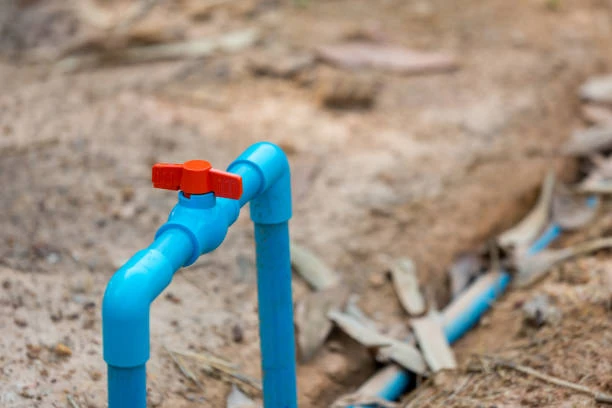
PVC plastic valves provide reliable performance in various fluid control applications. They maintain stability under different environmental conditions, ensuring long-term efficiency. Their chemical resistance, mechanical strength, and temperature tolerance make them a preferred choice in water supply, chemical processing, and irrigation systems. This article explores the stability of PVC plastic valves by analyzing their material composition, structural design, resistance to external factors, and durability in demanding conditions.
Material Composition and Structural Integrity
PVC plastic valves rely on polyvinyl chloride (PVC) as their primary material. This thermoplastic polymer offers high strength and durability. The molecular structure of PVC resists degradation caused by moisture, sunlight, and common chemicals. Manufacturers enhance PVC with stabilizers, plasticizers, and impact modifiers to improve mechanical performance and longevity.
The structural design of PVC plastic valves reinforces their stability. Thick walls and precision-engineered sealing components prevent deformation under pressure. The lightweight nature of PVC reduces stress on piping systems, allowing for easy installation without compromising durability. The combination of robust material properties and advanced design ensures reliable fluid control.
Chemical Resistance and Stability
PVC plastic valves maintain stability in environments containing acids, bases, salts, and other chemicals. Unlike metal valves, they do not corrode or react with aggressive substances. Their non-reactive nature makes them ideal for chemical processing, wastewater treatment, and agricultural applications.
Chlorinated water, commonly found in municipal water systems, does not affect PVC plastic valves. Industrial solvents and cleaning agents also fail to degrade the material. This resistance extends the lifespan of PVC valves in harsh conditions. Proper material selection and manufacturing processes contribute to consistent chemical stability.
Temperature Tolerance and Stability
PVC plastic valves perform reliably within a defined temperature range. Standard PVC valves withstand temperatures from 0°C to 60°C. Specialized formulations, such as CPVC (chlorinated polyvinyl chloride), offer extended temperature tolerance up to 90°C. These temperature limits ensure stability in hot and cold water applications.
Thermal expansion and contraction occur in all materials, but PVC plastic valves handle these changes effectively. Their flexible composition allows minor dimensional shifts without causing leaks or structural failures. Proper installation techniques, including expansion gaps and flexible connections, further enhance stability in fluctuating temperatures.
Pressure Resistance and Mechanical Stability
PVC plastic valves support consistent pressure resistance. Their design enables operation in low to moderate pressure systems without deforming or cracking. Pressure ratings vary based on valve type, wall thickness, and manufacturing standards. Most PVC ball valves, for example, handle pressures up to 150 PSI, making them suitable for residential and industrial use.
Sudden pressure surges, also known as water hammer effects, pose risks to piping systems. PVC plastic valves mitigate these risks through reinforced bodies and smooth internal flow paths. The absence of metal components eliminates weak points caused by corrosion or fatigue. Proper valve selection and pressure regulation ensure long-term mechanical stability.
UV Resistance and Outdoor Stability
Exposure to ultraviolet (UV) radiation affects plastic materials over time. Standard PVC plastic valves may experience surface degradation when exposed to direct sunlight for prolonged periods. Manufacturers address this concern by incorporating UV stabilizers into the PVC compound. These additives enhance outdoor durability by reducing brittleness and discoloration.
Protective coatings or housing enclosures further improve stability in outdoor installations. Shaded or buried piping systems minimize direct exposure, extending valve lifespan. For applications requiring extended UV resistance, CPVC or specially formulated PVC compounds provide superior performance.
Longevity and Wear Resistance
PVC plastic valves maintain operational stability over extended periods. Their resistance to chemical attack, temperature fluctuations, and mechanical stress ensures minimal wear. Unlike metal valves, PVC models do not suffer from rust, scaling, or pitting, which contributes to long-term functionality.
The smooth interior surface of PVC plastic valves prevents sediment buildup, reducing maintenance requirements. Friction between moving components remains low, ensuring consistent sealing performance. Proper installation, routine inspections, and appropriate usage conditions maximize longevity.
Environmental and Economic Stability
Sustainability plays a crucial role in modern material selection. PVC plastic valves support environmental stability by offering energy-efficient production and recyclability. The low production cost of PVC results in affordable valve options for various industries. Their lightweight nature reduces transportation costs and installation efforts, providing economic advantages.
Compared to metal alternatives, PVC plastic valves require fewer resources for manufacturing. Their long service life reduces replacement frequency, lowering overall material consumption. Recycling programs further enhance the sustainability of PVC components, contributing to eco-friendly industrial practices.
Conclusion
PVC plastic valves deliver outstanding stability in diverse applications. Their chemical resistance, pressure tolerance, and temperature adaptability ensure reliable performance. Structural integrity, UV resistance, and wear resistance contribute to long-term durability. Their environmental and economic benefits make them a practical choice for modern fluid control systems.
By selecting high-quality PVC plastic valves, industries and households achieve efficient, cost-effective, and stable fluid management solutions. Proper installation and maintenance further enhance their longevity, making them an essential component of sustainable piping systems.
IFAN international standard
IFAN’s HDPE products comply with various international standards, ensuring quality, durability, and reliability. These standards include ASTM D3035 and ASTM D3350, which define specifications for polyethylene (PE) pipes and materials. The ISO 4427 and EN 12201 series set global benchmarks for PE pipes used in water supply systems. Additionally, DIN 8074/8075 and GB/T 13663 establish performance and dimension requirements for HDPE pipes in European and Chinese markets. Other recognized standards, such as AS/NZS 4130 (Australia/New Zealand), JIS K6760 (Japan), BS 6572 (UK), and CSA B137.1 (Canada), further demonstrate IFAN’s commitment to meeting industry regulations worldwide.
Contact
IFAN is a professional manufacturer with of experience, dedicated to producing high-quality plastic pipes, fittings, and valves. Our products include brass valves, PPR valves, as well as various pipes and fittings to meet different customer needs. Whether you need plumbing and drainage pipes or valve products, IFAN can provide a diverse range of high-quality, cost-effective products to support your projects. Below is our contact information.
We will reply your email or fax within 24 hours.
You can call us at any time if there is any question on our production.
For more information,pls visit our webside https://www.ifanplus.com/
Pls Mailto: [email protected]
Whatsapp: + 86 19857948982























