


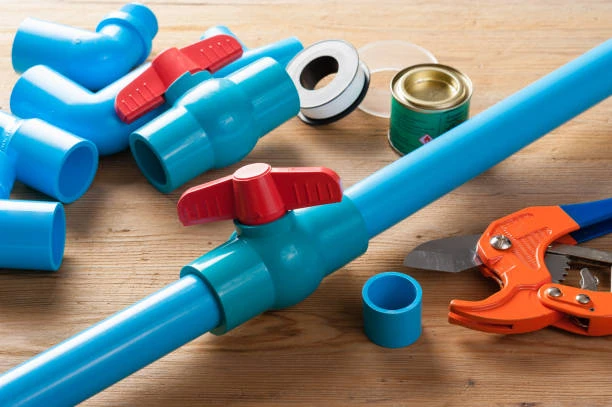
Water valves control the flow of water in various systems. They regulate pressure, direct flow, and ensure safety. PVC (Polyvinyl Chloride) is a widely used material for making these valves. PVC valves are lightweight, durable, and resistant to corrosion. This article discusses the structural characteristics of PVC water valves.
1. Overview of PVC Water Valves
PVC valves control water flow in residential, industrial, and municipal systems. They offer great performance due to their structure. The valve body, stem, handle, and seals are key components. PVC valves are commonly used for water distribution, chemical transfer, and wastewater systems. The material is both cost-effective and durable.
2. Key Structural Features of PVC Water Valves
Several structural features define PVC water valves. These features impact their functionality and performance.
- Valve Body: The valve body houses all other components. It is made from solid PVC, offering strength and durability. The body typically has a cylindrical or block shape. Smooth surfaces reduce material build-up and make maintenance easier.
- Internal Components: Internal components include the valve stem, seals, and springs. These parts work together to control water flow. They fit precisely inside the valve body for efficient operation.
- Sealing Mechanism: Seals prevent water from leaking when the valve is closed. PVC valves use rubber or elastomeric seals. These seals ensure a tight closure and prevent leaks. The flexibility of these seals extends the valve’s lifespan.
- Handle or Actuator: The handle or actuator allows users to operate the valve. Handles are ergonomically designed for easy operation. Some valves have electric or pneumatic actuators for automation. The handle connects to the valve stem, which controls internal mechanisms.
- Valve Stem: The valve stem connects the handle to the internal valve components. It controls the movement of the sealing mechanism. The stem is often made of stainless steel or PVC, which ensures durability.
3. Benefits of the Structural Features
The structural features of PVC water valves provide several key benefits. These benefits include performance, longevity, and cost-effectiveness.
- Lightweight Design: PVC valves are lightweight, making them easy to transport and install. The material reduces installation time and labor costs. Workers can handle PVC valves without heavy lifting equipment.
- Corrosion Resistance: PVC does not rust or corrode. This resistance makes PVC valves ideal for long-term use in water systems. Metal valves often rust, but PVC remains unaffected by water exposure.
- Durability: PVC valves are highly durable and can handle high pressure. The material resists wear and tear over time. PVC valves perform well in both residential and industrial applications.
- Chemical Resistance: PVC is highly resistant to many chemicals. PVC valves are perfect for systems that involve harsh chemicals. The material does not degrade when exposed to acids, bases, or salts.
- Cost-Effectiveness: PVC valves are cost-effective due to low material and manufacturing costs. They require less maintenance compared to metal valves. This cost-saving feature makes PVC valves an attractive option.
- Customization: PVC valves can be customized in various shapes and sizes. Manufacturers can create valves tailored to specific applications. Customization ensures the valve meets the unique needs of a water system.
- Ease of Installation: PVC valves are easy to install. The lightweight material makes handling simple, even for larger systems. PVC piping systems use similar joints, so the installation process is straightforward.
4. Common Types of PVC Water Valves
Several types of PVC water valves are available. Each type has structural features suited to specific applications.
- Ball Valves: Ball valves feature a spherical closure element. The ball rotates to control the water flow. PVC ball valves provide a reliable seal and smooth operation. These valves are commonly used for both residential and industrial applications.
- Gate Valves: Gate valves use a wedge-shaped gate to regulate flow. The gate moves up and down, controlling the water flow. PVC gate valves are used in systems that require unrestricted flow when the valve is open.
- Globe Valves: Globe valves feature a spherical body with a baffle. The baffle directs water through the valve. PVC globe valves allow precise control of water flow, making them ideal for irrigation systems.
- Check Valves: Check valves prevent backflow in a system. They use a spring-loaded disc or ball to stop water from flowing backward. PVC check valves are commonly used in plumbing systems for backflow prevention.
- Pressure Relief Valves: Pressure relief valves protect systems from excess pressure. These valves open when pressure exceeds a set limit. PVC pressure relief valves ensure safety in water distribution systems.
5. Conclusion
PVC water valves have several key structural features that contribute to their efficiency. These features include the valve body, stem, sealing mechanism, and handle. The lightweight, corrosion-resistant properties of PVC ensure that these valves last longer. PVC valves are also easy to install and require minimal maintenance. The benefits of PVC water valves make them a popular choice for residential and industrial applications. Their cost-effectiveness, durability, and chemical resistance ensure that they will remain an essential part of water systems for many years.
IFAN international standard
IFAN’s HDPE products comply with various international standards, ensuring quality, durability, and reliability. These standards include ASTM D3035 and ASTM D3350, which define specifications for polyethylene (PE) pipes and materials. The ISO 4427 and EN 12201 series set global benchmarks for PE pipes used in water supply systems. Additionally, DIN 8074/8075 and GB/T 13663 establish performance and dimension requirements for HDPE pipes in European and Chinese markets. Other recognized standards, such as AS/NZS 4130 (Australia/New Zealand), JIS K6760 (Japan), BS 6572 (UK), and CSA B137.1 (Canada), further demonstrate IFAN’s commitment to meeting industry regulations worldwide.
Contact
IFAN is a professional manufacturer with of experience, dedicated to producing high-quality plastic pipes, fittings, and valves. Our products include brass valves, PPR valves, as well as various pipes and fittings to meet different customer needs. Whether you need plumbing and drainage pipes or valve products, IFAN can provide a diverse range of high-quality, cost-effective products to support your projects. Below is our contact information.
We will reply your email or fax within 24 hours.
You can call us at any time if there is any question on our production.
For more information,pls visit our webside https://www.ifanplus.com/
Pls Mailto: [email protected]
Whatsapp: + 86 19857948982























