


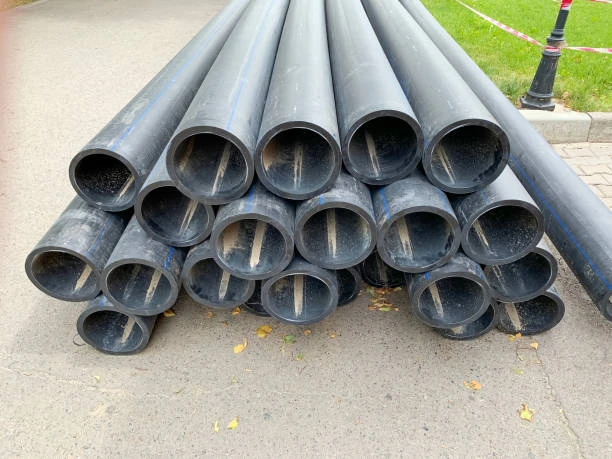
High-Density Polyethylene (HDPE) is widely recognized for its exceptional corrosion resistance, especially in comparison to other traditional materials like metal or concrete. This makes HDPE a popular choice for water pipelines and other applications exposed to corrosive environments. The corrosion resistance of HDPE is critical for ensuring long-lasting, reliable performance in both drinking water and wastewater systems. In this article, we will explore the corrosion resistance of HDPE water pipes, how it works, and the benefits that come with using HDPE in water pipe applications.
Understanding Corrosion Resistance
Corrosion occurs when materials, particularly metals, deteriorate due to chemical reactions with their environment, such as rust formation when iron interacts with oxygen and moisture. In water pipe systems, corrosion can lead to leaks, blockages, and structural failure. Unlike metals, HDPE does not undergo this type of degradation when exposed to water or moisture. This makes HDPE pipes more reliable and durable than metal counterparts in many scenarios.
Corrosion resistance in materials like HDPE is attributed to their molecular structure. HDPE is a thermoplastic polymer made of long chains of polyethylene molecules that are highly resistant to chemical breakdown. Because HDPE is not prone to rust, scale buildup, or other forms of corrosion, it outperforms many other materials in terms of longevity and performance in water transport applications.
Corrosion Resistance in Water Environments
HDPE exhibits superior corrosion resistance in various types of water, whether fresh, brackish, or wastewater. One of the key benefits of HDPE pipes is that they are impervious to the corrosive effects of water, which can otherwise damage materials like steel, iron, or concrete. Several factors contribute to the high level of corrosion resistance in HDPE pipes:
1. Chemical Inertness
HDPE is chemically inert, meaning it does not react with most chemicals, including the common minerals found in water sources such as calcium, magnesium, and sodium. This inertness ensures that HDPE pipes are resistant to the chemical processes that typically cause corrosion in other materials. For example, HDPE pipes will not corrode when exposed to chlorine, which is commonly used to disinfect water. Additionally, they do not react with common contaminants in the water, preventing damage over time.
2. Resistance to Electrochemical Corrosion
Metal pipes often experience electrochemical corrosion, especially when they are in contact with soil or other conductive materials. This process, known as galvanic corrosion, occurs when two dissimilar metals come into contact with an electrolyte, such as water, and exchange electrons, leading to the deterioration of one of the metals. HDPE, being a non-metallic material, does not undergo galvanic corrosion. It remains unaffected by the electrolytic reactions that typically cause corrosion in metal pipes, making it a superior choice for water pipe systems in areas where electrochemical corrosion is a concern.
3. Resistance to Microbial Corrosion
Microbial-induced corrosion is a common issue in wastewater systems. Certain bacteria can form biofilms on the surface of metal pipes, leading to corrosion. Since HDPE pipes do not provide the same surface conditions for bacterial colonization, they are much less susceptible to microbial corrosion. This resistance to microbial attack helps prevent the degradation of the pipes over time, ensuring a longer lifespan for water transport systems.
Corrosion Resistance in Different Water Applications
HDPE pipes offer excellent corrosion resistance in various water applications, from potable water systems to industrial water and wastewater systems. The ability of HDPE pipes to resist corrosion in these applications provides numerous benefits, including reduced maintenance, longer service life, and better overall system reliability.
1. Potable Water Systems
HDPE is an ideal material for potable water pipes because of its high resistance to corrosion. Traditional materials like iron, steel, or copper are prone to corrosion over time, leading to the release of contaminants into the water. HDPE pipes do not leach harmful substances into the water, making them a safe and reliable option for transporting drinking water. The corrosion resistance of HDPE ensures that the water remains free of harmful particles or contaminants, preserving water quality for consumers.
2. Wastewater and Sewer Systems
HDPE’s corrosion resistance is also highly beneficial for wastewater and sewer systems, where water is often exposed to a wide variety of chemicals and biological agents. Corrosion in metal pipes can lead to leaks and system failures, which are costly and time-consuming to repair. HDPE pipes, however, can withstand the harsh conditions of wastewater systems without corroding or losing their structural integrity. This ability to resist corrosion reduces the need for frequent maintenance or replacement, offering a cost-effective and durable solution for sewer systems.
3. Industrial Water Systems
Industries that handle corrosive chemicals or wastewater often require durable and corrosion-resistant piping materials. HDPE pipes meet these requirements by offering a high level of resistance to aggressive chemicals and environments. They are widely used in industries such as chemical processing, mining, and food production, where traditional materials like metal pipes would degrade quickly. HDPE’s resistance to both chemical and environmental corrosion makes it an ideal material for industrial water systems that demand long-lasting performance under harsh conditions.
Durability of HDPE Pipes
The durability of HDPE pipes is one of their greatest advantages, thanks in part to their exceptional corrosion resistance. Since HDPE does not corrode like metal pipes, it does not require the same level of maintenance or replacement. The longevity of HDPE pipes can be measured in decades, with some systems lasting for or more, depending on the application and conditions.
This durability is especially important for water infrastructure systems, where repair and replacement costs can be significant. By using HDPE pipes, municipalities, and industries can reduce the frequency of maintenance and repair work, ultimately lowering the overall cost of ownership.
1. Resistance to Abrasion
In addition to corrosion resistance, HDPE pipes also offer excellent abrasion resistance. Water pipes often experience wear and tear from the movement of water, sediments, and debris within the system. HDPE’s resistance to abrasion ensures that its surface remains smooth and free of damage, which helps maintain efficient water flow and prevents blockages. This resistance to both corrosion and abrasion makes HDPE pipes a long-lasting, low-maintenance solution for water transport.
2. Impact Resistance
HDPE is highly resistant to impact, which can be an issue for other materials like concrete or metal. HDPE pipes maintain their integrity when subjected to mechanical stress, such as impact during installation or environmental pressure from shifting soil or debris. This characteristic reduces the likelihood of cracks or failures in the pipe system, further contributing to the material’s durability.
Installation and Maintenance Advantages
The corrosion resistance of HDPE pipes also simplifies installation and maintenance. Since the material is not prone to corrosion, the installation process does not require additional coatings or treatments to protect the pipes. This not only reduces installation costs but also speeds up the process. Additionally, HDPE’s long-lasting corrosion resistance reduces the need for regular inspections or repairs, making maintenance easier and less costly over the lifespan of the system.
Environmental Benefits
HDPE’s corrosion resistance has environmental advantages as well. Because HDPE pipes last longer and require less maintenance, they reduce the need for frequent pipe replacements, which can be resource-intensive and generate large amounts of waste. The durability of HDPE reduces the environmental impact associated with the manufacturing, transportation, and disposal of replacement pipes. Furthermore, HDPE is 100% recyclable, offering a sustainable alternative to other materials that may contribute to environmental degradation.
Conclusion
HDPE’s outstanding corrosion resistance makes it a top choice for water pipe systems in both residential and industrial applications. Whether used for potable water, wastewater, or industrial water systems, HDPE pipes provide reliable performance and long-lasting durability. The chemical inertness, resistance to electrochemical and microbial corrosion, and other factors make HDPE an ideal solution for environments that pose a high risk of corrosion. By using HDPE pipes, municipalities, industries, and homeowners can enjoy efficient, low-maintenance water systems that last for decades, ultimately reducing costs and improving overall system reliability.
IFAN international standard
IFAN’s HDPE products comply with various international standards, ensuring quality, durability, and reliability. These standards include ASTM D3035 and ASTM D3350, which define specifications for polyethylene (PE) pipes and materials. The ISO 4427 and EN 12201 series set global benchmarks for PE pipes used in water supply systems. Additionally, DIN 8074/8075 and GB/T 13663 establish performance and dimension requirements for HDPE pipes in European and Chinese markets. Other recognized standards, such as AS/NZS 4130 (Australia/New Zealand), JIS K6760 (Japan), BS 6572 (UK), and CSA B137.1 (Canada), further demonstrate IFAN’s commitment to meeting industry regulations worldwide.
Contact
IFAN is a professional manufacturer with of experience, dedicated to producing high-quality plastic pipes, fittings, and valves. Our products include brass valves, PPR valves, as well as various pipes and fittings to meet different customer needs. Whether you need plumbing and drainage pipes or valve products, IFAN can provide a diverse range of high-quality, cost-effective products to support your projects. Below is our contact information.
We will reply your email or fax within 24 hours.
You can call us at any time if there is any question on our production.
For more information,pls visit our webside https://www.ifanplus.com/
Pls Mailto: [email protected]
Whatsapp: + 86 19857948982























