


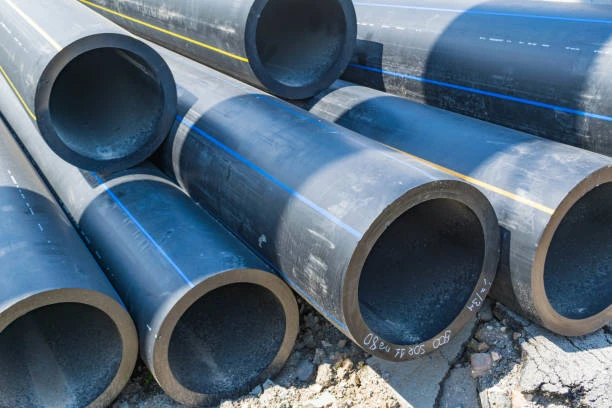
High-Density Polyethylene (HDPE) is a widely used thermoplastic polymer that consists of carbon and hydrogen atoms arranged in a highly organized structure. Its chemical composition primarily includes repeating ethylene (-CH₂-CH₂-) units, which contribute to its excellent mechanical strength, chemical resistance, and durability.
Molecular Structure of HDPE
Plastic HDPE forms through the polymerization of ethylene (C₂H₄) monomers. Each ethylene molecule consists of two carbon atoms double-bonded to each other and connected to four hydrogen atoms. During polymerization, catalysts break the double bond, allowing ethylene molecules to link into long, unbranched chains.
This linear structure differentiates HDPE Plastic HDPEfrom Low-Density Polyethylene (LDPE), which has a more branched configuration. The absence of significant branching in HDPE leads to stronger intermolecular forces, resulting in higher tensile strength, rigidity, and density.
Crystallinity and Density
HDPE has a high degree of crystallinity, typically ranging from 60% to 80%. The close packing of polymer chains increases density, which varies between 0.93 and 0.97 g/cm³. Higher crystallinity improves mechanical properties, chemical resistance, and impermeability to gases and liquids.
Molecular Weight and Distribution
The molecular weight of Plastic HDPE depends on the polymerization process and catalyst used. Manufacturers control molecular weight distribution (MWD) to fine-tune material properties.
- Narrow MWD: Improves strength, impact resistance, and processability.
- Broad MWD: Enhances toughness and melt flow behavior.
Chemical Additives in HDPE
Although HDPE primarily consists of carbon and hydrogen, manufacturers introduce additives to improve performance, stability, and processing. Common additives include:
1. Antioxidants
HDPE degrades when exposed to oxygen, heat, and light. Antioxidants prevent oxidation by neutralizing free radicals.
- Hindered Phenols: Protect against thermal degradation.
- Phosphites: Act as secondary antioxidants, reducing oxidative breakdown.
2. UV Stabilizers
Ultraviolet (UV) radiation weakens HDPE by breaking polymer bonds. UV stabilizers absorb or deflect harmful rays, preventing material degradation.
- Carbon Black: One of the most effective UV stabilizers, commonly used in black HDPE pipes.
- Hindered Amine Light Stabilizers (HALS): Protect against long-term UV exposure.
3. Processing Aids
During manufacturing, processing aids improve melt flow, surface finish, and mold release.
- Fluoropolymers: Reduce friction and defects during extrusion.
- Silicone-Based Additives: Enhance surface smoothness and flexibility.
4. Flame Retardants
HDPE has a relatively low ignition resistance. Flame retardants reduce flammability by forming a protective char layer or releasing inert gases.
- Brominated Compounds: Commonly used in electrical applications.
- Phosphorus-Based Additives: Act as environmentally friendly flame retardants.
5. Colorants
Pigments and dyes modify HDPE’s appearance. Some colorants also improve weatherability.
- Titanium Dioxide (TiO₂): Provides opacity and UV resistance.
- Iron Oxides: Used for red, yellow, and brown shades.
Chemical Properties of Plastic HDPE
HDPE’s chemical resistance and stability make it ideal for a wide range of applications. Its properties include:
1. Resistance to Acids and Bases
Plastic HDPE resists most acids and bases, making it suitable for chemical storage tanks and piping systems.
- Diluted Acids (HCl, H₂SO₄): No significant degradation occurs.
- Concentrated Acids: May cause slow oxidation over time.
- Alkaline Solutions (NaOH, KOH): HDPE remains stable even in strong bases.
2. Resistance to Organic Solvents
HDPE withstands exposure to most hydrocarbons and organic solvents. However, some solvents may cause slight swelling.
- Alcohols (Ethanol, Methanol): No significant effect.
- Alkanes (Hexane, Octane): Minimal swelling at high temperatures.
- Aromatic Hydrocarbons (Toluene, Benzene): May cause softening or swelling.
3. Resistance to Oxidizing Agents
Strong oxidizers can degrade HDPE by breaking polymer chains.
- Ozone (O₃): Causes surface cracking over long-term exposure.
- Chlorine (Cl₂) and Peroxides: Induce oxidation and brittleness.
Polymerization Methods for HDPE Production
HDPE forms through addition polymerization, where ethylene monomers react under controlled conditions. Different polymerization techniques produce HDPE with varying molecular structures.
1. Slurry Polymerization
Ethylene polymerizes in a liquid hydrocarbon medium. The process occurs at moderate temperatures (85–100°C) and pressures (10–40 bar). Slurry polymerization yields HDPE with controlled molecular weight distribution.
2. Gas-Phase Polymerization
Ethylene polymerizes in a fluidized-bed reactor using catalysts. The gas-phase process allows better control over polymer properties, making it suitable for large-scale HDPE production.
3. Solution Polymerization
Ethylene dissolves in a hydrocarbon solvent, and polymerization occurs at high temperatures (150–250°C). This method produces HDPE with ultra-high molecular weight (UHMW-HDPE).
Catalysts in HDPE Production
Catalysts determine HDPE’s molecular weight, branching, and mechanical properties. Common catalysts include:
- Ziegler-Natta Catalysts: Titanium-based catalysts create HDPE with high crystallinity.
- Phillips Catalysts: Chromium-based oxides produce HDPE with broad molecular weight distribution.
- Metallocene Catalysts: Single-site catalysts generate uniform polymer chains with narrow MWD.
Physical Properties of HDPE
HDPE’s chemical composition influences its physical characteristics, including:
1. High Tensile Strength
HDPE withstands high mechanical stress, making it ideal for pipes, containers, and industrial applications. Tensile strength ranges from 20 to 37 MPa.
2. Impact Resistance
HDPE absorbs shocks without cracking, ensuring durability in extreme conditions.
3. Low Moisture Absorption
HDPE repels water due to its non-polar nature, making it suitable for moisture-sensitive applications.
4. Electrical Insulation
HDPE acts as an excellent electrical insulator, preventing conductivity. It is widely used in cable coatings and wire insulation.
Applications of HDPE
HDPE’s chemical and physical properties enable diverse applications in industries such as:
1. Packaging
- Bottles and Containers: Used for milk jugs, detergent bottles, and food storage.
- Plastic Bags: Lightweight and recyclable.
2. Piping Systems
- Water and Gas Pipes: Corrosion-resistant and long-lasting.
- Sewage and Drainage Pipes: Maintain structural integrity in harsh environments.
3. Construction Materials
- Geomembranes: Used in landfills and environmental protection.
- Plastic Lumber: Alternative to wood for outdoor applications.
4. Medical and Healthcare
- Prosthetics and Implants: Used in orthopedic applications.
- Sterile Packaging: Protects medical devices from contamination.
5. Automotive and Industrial Uses
- Fuel Tanks: Chemically resistant to gasoline and diesel.
- Storage Tanks: Used for industrial chemicals and hazardous materials.
Conclusion
HDPE consists of ethylene monomers linked into long, linear chains. Its chemical composition includes hydrocarbons and various additives for stability, processing, and durability. HDPE resists most chemicals, withstands mechanical stress, and remains an essential material in industries ranging from packaging to infrastructure. Its unique combination of properties ensures continued demand in manufacturing and engineering applications.
IFAN international standard
IFAN’s HDPE products comply with various international standards, ensuring quality, durability, and reliability. These standards include ASTM D3035 and ASTM D3350, which define specifications for polyethylene (PE) pipes and materials. The ISO 4427 and EN 12201 series set global benchmarks for PE pipes used in water supply systems. Additionally, DIN 8074/8075 and GB/T 13663 establish performance and dimension requirements for HDPE pipes in European and Chinese markets. Other recognized standards, such as AS/NZS 4130 (Australia/New Zealand), JIS K6760 (Japan), BS 6572 (UK), and CSA B137.1 (Canada), further demonstrate IFAN’s commitment to meeting industry regulations worldwide.
Contact
IFAN is a professional manufacturer with of experience, dedicated to producing high-quality plastic pipes, fittings, and valves. Our products include brass valves, PPR valves, as well as various pipes and fittings to meet different customer needs. Whether you need plumbing and drainage pipes or valve products, IFAN can provide a diverse range of high-quality, cost-effective products to support your projects. Below is our contact information.
We will reply your email or fax within 24 hours.
You can call us at any time if there is any question on our production.
For more information,pls visit our webside https://www.ifanplus.com/
Pls Mailto: [email protected]
Whatsapp: + 86 19857948982























