


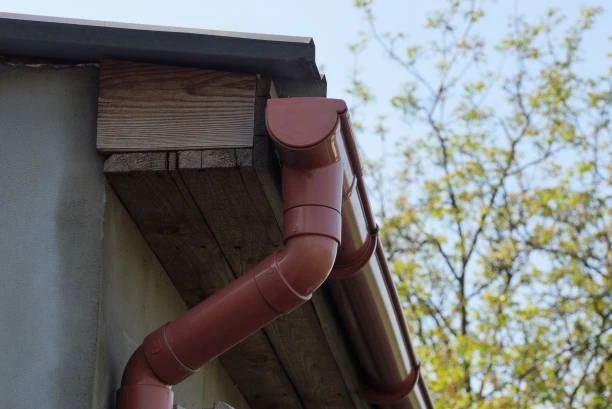
Polypropylene Homopolymer (PPH) has become a go-to material for plumbing systems across a wide range of applications due to its reliability, durability, and cost-effectiveness. PPH plumbing systems offer excellent resistance to chemicals, temperature extremes, and mechanical stresses, ensuring long-term performance. However, like all plumbing systems, PPH systems require periodic maintenance to ensure they continue operating efficiently and to prevent potential issues from arising.
In this article, we will examine the key aspects of maintaining PPH plumbing systems, highlight best practices, and discuss the benefits of preventive maintenance. By following these guidelines, property owners, plumbers, and facility managers can maximize the lifespan and functionality of their PPH plumbing systems.
Understanding PPH Plumbing Systems
PPH plumbing refers to plumbing systems made from Polypropylene Homopolymer, a thermoplastic material known for its high strength, rigidity, and resistance to corrosion and wear. PPH pipes and fittings are commonly used in residential, commercial, and industrial plumbing applications due to their ability to withstand harsh conditions. They provide a reliable solution for transporting hot and cold water, industrial chemicals, and wastewater.
While PPH plumbing systems are low-maintenance compared to other materials, it is essential to conduct periodic checks and follow proper maintenance protocols to keep the system in top condition. Let’s explore how to maintain PPH plumbing systems effectively.
Key Maintenance Practices for PPH Plumbing Systems
1. Regular Inspection
Conducting regular inspections is crucial to ensuring the continued performance of PPH plumbing systems. During inspections, you can identify signs of wear, stress, or potential issues before they become serious problems. Here are some key points to check during inspections:
- Leak Detection: Look for signs of leaks around joints, fittings, and connections. Although PPH is resistant to corrosion, improper installation or wear over time can still lead to leaks.
- Pressure Monitoring: Monitor the water pressure in the system. Excessive pressure can lead to joint failure or pipe deformation. If the pressure exceeds the recommended range, it could be a sign that the system needs adjustments.
- Visible Damage: Look for cracks, deformation, or signs of stress on the pipes, fittings, and joints. Though PPH is highly resistant to external damage, impacts from sharp objects or excessive heat can still cause damage over time.
- UV Exposure: If the plumbing system is installed outdoors or in areas with prolonged exposure to sunlight, check for UV damage. Even though PPH has high UV resistance, extended exposure to UV rays could lead to weakening if the material is not properly protected.
2. Cleaning and Flushing the System
While PPH plumbing is resistant to scaling and clogging, over time, mineral deposits or debris may accumulate within the pipes, especially if the water supply contains high mineral content or if the system deals with industrial chemicals. To maintain optimal flow and prevent clogs, periodically clean and flush the system.
- Flushing: Flushing the system with water can help remove any minor sediment or buildup that may obstruct water flow. For systems handling water with high mineral content, flushing should occur at regular intervals.
- Chemical Cleaning: If necessary, use non-corrosive cleaning agents or chemicals designed for cleaning PPH pipes. Always ensure the cleaning solution is compatible with PPH material to prevent any damage or degradation.
- Strainer and Filter Maintenance: If your system uses strainers or filters, clean or replace them regularly. These components help trap debris and prevent clogging, but they can become clogged themselves over time.
3. Preventing Freezing
PPH plumbing systems offer good freeze resistance compared to materials like PVC or copper. However, extreme cold weather conditions can still lead to the freezing of water inside the pipes, especially if the system is installed in uninsulated or poorly insulated areas. To prevent freezing, take the following steps:
- Insulation: Insulate pipes that are exposed to cold weather, especially those running along exterior walls, basements, or attics. Use foam insulation sleeves or heat tape to keep the temperature of the pipes above freezing.
- Proper Installation: Ensure that pipes are installed in areas that are not directly exposed to the elements. Proper routing of pipes through insulated sections of a building can reduce the risk of freezing.
- Water Flow: In very cold climates, it might be helpful to let water flow through the pipes during extreme cold spells. Even a slow flow helps prevent the pipes from freezing.
4. Monitoring Water Pressure
Excessive water pressure can cause a range of issues, including stress on the pipes and fittings, leading to leaks and even bursts. Monitoring the water pressure in your PPH plumbing system is crucial for maintaining its longevity.
- Pressure Regulator: Install a pressure regulator to ensure the system operates within the recommended pressure range. For residential systems, the typical pressure should be between 40 and 60 psi.
- Pressure Relief Valve: In systems with high water pressure, consider installing a pressure relief valve. This valve will automatically release excess pressure, preventing potential damage to the plumbing system.
- Regular Checks: Periodically check the pressure gauges or pressure relief valves to ensure they are functioning correctly. If you notice any fluctuations in pressure, investigate the cause and resolve it promptly.
5. Addressing UV Degradation
Although PPH plumbing is UV-resistant, prolonged exposure to UV rays can eventually degrade the material if it is not adequately protected. To maintain the integrity of PPH plumbing systems exposed to sunlight, consider the following measures:
- Protective Coatings: Apply UV-resistant coatings to exposed PPH pipes to protect them from long-term UV exposure. These coatings act as a shield, preventing the sun’s rays from directly affecting the material.
- Pipe Covers: Use protective covers or sleeves made from UV-resistant materials to shield PPH pipes from direct sunlight. Covers help reduce the impact of UV radiation and extend the life of the plumbing system.
6. Handling High-Temperature Systems
PPH plumbing can withstand high temperatures, but it is still essential to monitor and regulate temperature exposure to avoid any issues. Overexposure to extremely high temperatures could weaken the pipes and fittings.
- Temperature Control: Ensure that the system operates within the temperature limits specified by the manufacturer. If the plumbing system is connected to a hot water system, avoid exceeding the recommended maximum temperature, which is typically around 180°F (82°C).
- Insulation: Use heat insulation around high-temperature areas to protect PPH pipes from thermal stress. This will help keep the pipes from reaching temperatures that could lead to deformation or failure.
7. Joint and Fitting Maintenance
One of the most critical aspects of PPH plumbing maintenance involves ensuring that the joints and fittings remain secure and functional. Over time, even the most durable plumbing systems can experience stress at connection points, leading to leaks or failure.
- Re-sealing: Inspect the seals on joints and fittings regularly. If you notice any signs of leakage, it may be necessary to re-seal the connections using appropriate sealing materials or replacement parts.
- Torque Check: Ensure that all fittings are correctly torqued according to the manufacturer’s guidelines. Over-tightening can damage the fittings, while under-tightening can result in leaks.
- Fitting Replacement: If any fittings or joints appear worn or damaged beyond repair, replace them promptly. Replacing faulty parts early helps prevent leaks and system breakdowns.
8. Handling Water Quality Issues
Water quality plays a significant role in the longevity of any plumbing system, including PPH. Contaminants in the water, such as chlorine, minerals, and other impurities, can accumulate inside pipes and cause long-term damage.
- Water Treatment: If your area’s water supply has high mineral content or contains other impurities, consider installing a water softener or filtration system. This can prevent scale buildup and extend the life of your PPH plumbing system.
- Corrosion Prevention: Even though PPH is highly resistant to corrosion, water quality issues such as high chlorine content or acidic water can still cause damage. Using appropriate water treatment solutions can help mitigate these risks.
Benefits of Preventive Maintenance
Adopting a preventive maintenance approach for PPH plumbing systems offers several key benefits:
- Cost Savings: Regular maintenance can help identify minor issues before they turn into major problems, which could lead to costly repairs or replacements. By addressing potential issues early, you can avoid more expensive repairs in the future.
- Extended Lifespan: Proper maintenance ensures that PPH plumbing systems remain in optimal condition for a more extended period. Routine inspections, cleaning, and care can add years to the life of your plumbing system.
- System Efficiency: Well-maintained plumbing systems operate more efficiently, providing better water flow and reducing energy consumption. By ensuring that your PPH system is functioning properly, you help maintain overall efficiency.
- Peace of Mind: Regular maintenance gives property owners and facility managers peace of mind, knowing that their plumbing system is in good condition and less likely to experience unexpected failures.
Conclusion
PPH plumbing systems offer significant durability, resistance to wear, and low maintenance compared to other materials. However, regular maintenance remains essential to ensure the long-term performance of the system. By conducting regular inspections, cleaning the system, monitoring water pressure, preventing freezing, and addressing UV degradation, property owners can significantly extend the lifespan and functionality of PPH plumbing systems.
Taking a proactive approach to maintenance can save time and money while ensuring that the plumbing system remains reliable and efficient for years to come. With the right care and attention, PPH plumbing systems will continue to provide robust and cost-effective solutions for residential, commercial, and industrial applications.
IFAN international standard
IFAN’s PPH pipes comply with multiple international and national standards, ensuring high quality and reliability. These standards include ISO 15494 Series standards, EN ISO 15494, DIN 8077/8078, ASTM F2389, GB/T 19472 Series standards, and NBR 15494. Each standard defines specific requirements for material properties, dimensions, performance, and testing methods. By adhering to these standards, IFAN guarantees durability, chemical resistance, and safety in various applications, including industrial piping, water treatment, and chemical transport systems. These certifications demonstrate IFAN’s commitment to excellence and global compatibility.
Contact
IFAN is a professional manufacturer with of experience, dedicated to producing high-quality plastic pipes, fittings, and valves. Our products include brass valves, PPR valves, as well as various pipes and fittings to meet different customer needs. Whether you need plumbing and drainage pipes or valve products, IFAN can provide a diverse range of high-quality, cost-effective products to support your projects. Below is our contact information.
We will reply your email or fax within 24 hours.
You can call us at any time if there is any question on our production.
For more information,pls visit our webside https://www.ifanplus.com/
Pls Mailto: [email protected]
Whatsapp: + 86 19857948982























