


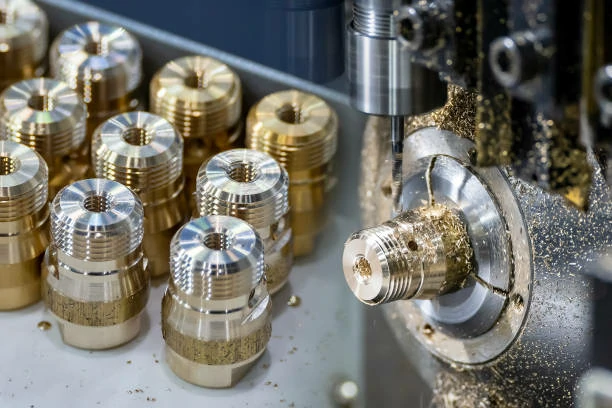
Brass plumbing fittings are essential components in modern plumbing systems, valued for their corrosion resistance, durability, and reliability. However, their machinability—how easily they can be processed and shaped during manufacturing—is an important factor that determines their quality, cost, and performance. Understanding the machinability of brass is crucial for manufacturers and engineers alike, as it impacts the overall efficiency and precision of the production process. This article will explore the various aspects of brass machinability, including its properties, challenges, and solutions in machining, along with the methods and tools commonly used in the process.
What is Brass?
Brass is an alloy primarily composed of copper and zinc, with varying proportions of other metals such as lead, tin, and aluminum. The properties of brass make it an ideal material for plumbing fittings. It combines strength with corrosion resistance, making it suitable for environments involving water, gases, and harsh chemicals. Brass plumbing fittings include items like valves, elbows, tees, and connectors that are essential in both residential and industrial plumbing systems.
The machinability of brass can vary depending on the exact composition of the alloy. Some brass alloys, such as free-cutting brass, contain additional elements like lead or sulfur to improve machinability. These additives reduce friction during machining, making the brass easier to cut, thread, and shape. In contrast, other brass alloys may be more challenging to machine, requiring specialized equipment and techniques.
Key Factors Affecting Machinability
Several factors influence the machinability of brass plumbing fittings. These factors include the alloy composition, hardness, and work-hardening behavior. Understanding how these factors interact can help optimize machining processes for both efficiency and precision.
Alloy Composition
The specific composition of brass significantly affects its machinability. Brass alloys can be broadly divided into two categories: common brass and free-cutting brass.
- Common Brass: This alloy typically contains around 60-70% copper and 30-40% zinc, offering good strength and corrosion resistance but not optimized for machining. While this type of brass can still be machined, it may require slower cutting speeds and more frequent tool changes.
- Free-Cutting Brass: This alloy contains a higher percentage of lead or sulfur, which acts as a lubricant during the machining process. This reduces tool wear and increases cutting speed. Free-cutting brass is much easier to machine than common brass, making it the preferred choice for high-volume production of plumbing fittings.
Hardness
The hardness of brass affects how easily it can be shaped or cut. Generally, the softer the material, the easier it is to machine. Brass alloys with a higher copper content tend to be softer, while those with higher zinc content or additional elements such as lead are harder and more challenging to machine.
Manufacturers often use brass with a moderate hardness to ensure that the plumbing fittings retain their strength and durability without becoming overly difficult to machine. However, the hardness level must be carefully controlled to balance machinability and the final product’s performance.
Work-Hardening
Work-hardening refers to the phenomenon where a metal becomes harder and more brittle as it is subjected to stress during machining. Brass exhibits some degree of work-hardening, although it is not as pronounced as in materials like stainless steel. To mitigate work-hardening during machining, manufacturers typically use lower cutting speeds and proper cooling methods. This helps prevent the material from becoming too hard and difficult to cut as the tool interacts with the brass surface.
Machining Processes for Brass Plumbing Fittings
Brass plumbing fittings are typically machined using a variety of processes, depending on the complexity of the part and the desired end result. Common machining methods include turning, milling, drilling, threading, and grinding.
Turning
Turning is one of the most commonly used processes for machining brass plumbing fittings. In this process, the brass workpiece is rotated while a cutting tool removes material. Turning is ideal for producing cylindrical components such as pipes, connectors, and valves.
- Cutting Speed: The optimal cutting speed for brass varies depending on the alloy and the specific part being produced. Generally, turning brass requires moderate speeds to avoid excessive tool wear and work-hardening.
- Tool Selection: Carbide or high-speed steel tools are commonly used when turning brass. Carbide tools offer superior wear resistance and can withstand higher cutting speeds, making them ideal for machining free-cutting brass alloys.
Milling
Milling is used to cut brass plumbing fittings with more complex shapes. In this process, the workpiece is fixed while a rotating cutting tool removes material. Milling is often used for creating flat surfaces, slots, or holes in brass components.
- Feed Rate: For brass, a moderate feed rate is recommended to ensure smooth cutting and prevent tool wear. Free-cutting brass alloys allow for higher feed rates compared to common brass alloys.
- Tool Wear: Brass can cause tool wear, especially when machining harder alloys. Manufacturers often use coated tools, such as those with a titanium nitride (TiN) coating, to extend tool life.
Drilling
Drilling is an essential process for creating holes in brass plumbing fittings. It is especially important for producing threaded connections in valves, elbows, and other components. Drilling brass can be challenging due to the material’s tendency to form chips, which can clog the drill bit.
- Chip Removal: Effective chip removal is crucial when drilling brass to avoid chip build-up, which can lead to overheating and tool wear. A steady flow of coolant or lubrication helps prevent this issue.
- Drill Type: Twist drills with a sharp point are commonly used for drilling brass. The cutting edges should be well-maintained to ensure smooth drilling operations.
Threading
Threading is a critical operation for creating threaded brass plumbing fittings. This operation is essential for components such as valves, faucets, and connectors. Threading brass can be done through various methods, including tapping and cutting threads with a lathe.
- Thread Type: The choice of thread type, whether it’s NPT (National Pipe Thread) or BSPT (British Standard Pipe Thread), will influence the threading process. Brass is relatively easy to thread, especially when using free-cutting brass alloys.
- Lubrication: Using proper lubrication is key during the threading process. Lubricants reduce friction, prevent overheating, and prolong tool life.
Grinding
Grinding is used for fine finishing of brass components to achieve a smooth surface and tight tolerances. It is commonly used for high-precision parts such as fittings that require exact dimensions or a polished finish.
- Grinding Wheels: When grinding brass, manufacturers use wheels with fine abrasives to achieve the desired surface finish. The choice of wheel depends on the alloy and the surface quality required.
- Heat Management: Brass can heat up quickly during grinding, so proper cooling is essential to prevent overheating, which could result in tool wear or part distortion.
Challenges in Machining Brass Plumbing Fittings
While brass is generally easy to machine, there are several challenges that manufacturers may face during the production of brass plumbing fittings.
Tool Wear and Tear
Brass can cause tool wear, especially when machining harder alloys. The presence of zinc in brass can be particularly abrasive, leading to faster deterioration of cutting tools. To address this, manufacturers often use high-quality carbide tools or coated tools that resist wear.
Chip Formation
The chips formed during machining can cause issues, particularly when drilling or turning brass. If not removed effectively, these chips can cause overheating, tool clogging, or surface imperfections. Using coolant or lubricant during machining helps minimize this risk.
Work-Hardening
Although brass does not work-harden as much as some other metals, improper machining techniques can still cause work-hardening. This results in difficulty when cutting the material, leading to tool wear and potential surface defects.
Solutions and Best Practices
To optimize the machinability of brass plumbing fittings, manufacturers implement several best practices:
- Using Free-Cutting Brass: For high-volume production, manufacturers often choose free-cutting brass alloys that contain additives like lead or sulfur. These alloys significantly reduce tool wear and improve machining speed.
- Proper Lubrication: Applying appropriate cutting fluids or lubricants ensures smooth machining, reduces friction, and extends tool life.
- Optimizing Cutting Speeds: Choosing the correct cutting speeds based on the brass alloy and machining operation helps improve efficiency while minimizing work-hardening and tool wear.
- Using Coated Tools: Coated tools, such as those with titanium nitride (TiN) coatings, offer improved wear resistance and higher cutting speeds, making them ideal for machining brass.
- Regular Tool Maintenance: Regular inspection and maintenance of tools prevent issues related to dull edges or incorrect tool geometry, ensuring consistent and precise machining results.
Conclusion
The machinability of brass plumbing fittings plays a critical role in their production. Manufacturers must consider alloy composition, hardness, work-hardening behavior, and machining methods to optimize the process. While brass is relatively easy to machine, challenges such as tool wear, chip formation, and work-hardening require careful attention. By following best practices and using the right tools and techniques, manufacturers can produce high-quality, durable brass plumbing fittings with minimal waste and cost.
Understanding the machinability of brass ensures that the final products meet the rigorous demands of plumbing systems while maintaining efficiency in the production process. As advancements in machining technology continue, the process of machining brass plumbing fittings will only improve, leading to even higher quality standards in the industry.
IFAN international standard
IFAN products comply with a wide range of international standards, ensuring their quality, reliability, and suitability for various applications across the globe. These standards include ASTM D3035, ASTM D3350, ISO 4427 Series standards, EN 12201 Series standards, DIN 8074/8075, GB/T 13663 Series standards, AS/NZS 4130, JIS K6760, BS 6572, and CSA B137.1, among others. Adherence to these standards guarantees that IFAN products meet the stringent requirements for safety, performance, and durability in diverse industries and markets.
Contact
IFAN is a professional manufacturer with of experience, dedicated to producing high-quality plastic pipes, fittings, and valves. Our products include brass valves, PPR valves, as well as various pipes and fittings to meet different customer needs. Whether you need plumbing and drainage pipes or valve products, IFAN can provide a diverse range of high-quality, cost-effective products to support your projects. Below is our contact information.
We will reply your email or fax within 24 hours.
You can call us at any time if there is any question on our production.
For more information,pls visit our webside https://www.ifanplus.com/
Pls Mailto: [email protected]
Whatsapp: + 86 19857948982























