


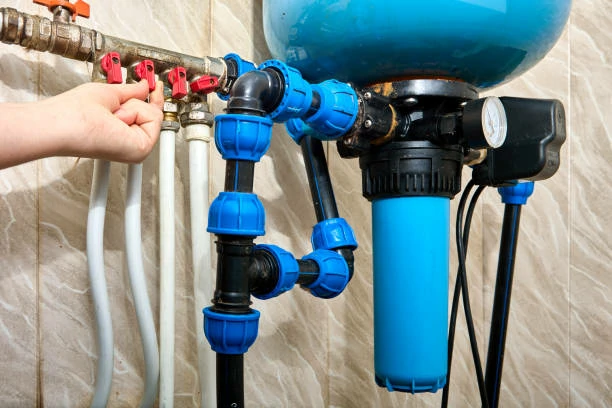
High-Density Polyethylene (HDPE) pipe fittings are an essential part of modern piping systems. They are widely used due to their exceptional tensile strength, durability, and versatility. Tensile strength, a key mechanical property, refers to the ability of a material to resist pulling or stretching forces without breaking. In HDPE pipe fittings, tensile strength ensures reliability under pressure, heavy loads, and environmental stress. This article explores how tensile strength affects HDPE pipe fittings, their benefits, and their applications, providing an in-depth understanding of why tensile strength is vital.
What is Tensile Strength?
Tensile strength is the maximum force a material can withstand while being stretched or pulled before it breaks. It is measured in megapascals (MPa) or pounds per square inch (psi). For HDPE pipe fittings, tensile strength ensures their ability to maintain integrity when subjected to mechanical stress. This property is crucial in piping systems that operate under high internal pressure or external loads. HDPE pipe fittings typically have tensile strengths ranging from 21 MPa to 37 MPa, depending on the grade of the material and design.
Importance of Tensile Strength in HDPE Pipe Fittings
HDPE pipe fittings rely on tensile strength for several critical reasons. It ensures durability, reliability, and safety in piping systems across various industries.
- Pressure Resistance
HDPE pipe fittings handle internal pressure from fluids or gases without deforming or bursting. High tensile strength prevents failures in high-pressure applications. - Durability Under External Loads
Tensile strength allows HDPE fittings to resist external forces like soil pressure, heavy loads, or vibrations. This ensures long-lasting performance even in challenging environments. - Protection Against Cracking
Fittings with strong tensile properties resist cracking or breaking under mechanical stress, preventing leaks and system failures. - Enhanced System Safety
High tensile strength improves the reliability of HDPE pipe fittings, reducing the risk of accidents or system breakdowns in critical applications. - Adaptability to Environmental Conditions
Tensile strength helps fittings withstand temperature changes, ground movements, and other environmental stresses. It ensures consistent performance even in extreme conditions. - Cost Efficiency
Durable fittings with high tensile strength reduce maintenance and replacement costs, offering long-term cost benefits.
How HDPE Pipe Fittings Achieve High Tensile Strength
The tensile strength of HDPE pipe fittings depends on several factors, including material composition, manufacturing processes, and design.
1. Material Composition
HDPE is a thermoplastic polymer with a high molecular weight and density. The tightly packed polymer chains in HDPE create a strong, flexible material capable of resisting mechanical forces.
2. Manufacturing Processes
HDPE pipe fittings are produced using advanced techniques like extrusion and injection molding. These methods ensure uniformity in structure, which enhances the fittings’ tensile strength.
3. Additives
Additives such as carbon black and antioxidants are included during the manufacturing process to enhance the strength and longevity of HDPE pipe fittings. Carbon black improves resistance to UV radiation, while antioxidants protect against thermal degradation.
4. Wall Thickness
Thicker-walled HDPE pipe fittings can handle higher tensile forces. Wall thickness is determined based on the application’s pressure and load requirements.
5. Design Optimization
Engineers design HDPE pipe fittings to distribute stress evenly, avoiding weak points. This ensures the fittings perform reliably under various mechanical and environmental conditions.
6. Quality Control
Rigorous testing and adherence to international standards, such as ISO and ASTM, ensure that HDPE pipe fittings meet tensile strength requirements.
Benefits of High Tensile Strength in HDPE Pipe Fittings
HDPE pipe fittings with high tensile strength provide several advantages that contribute to their widespread use in modern piping systems.
1. Longevity
HDPE pipe fittings last for decades due to their ability to resist mechanical stress and environmental degradation. Their tensile strength ensures long-term reliability, even under continuous operation.
2. Leak Prevention
High tensile strength enables secure connections between pipes and fittings, preventing leaks that could disrupt operations or damage infrastructure.
3. Versatility
They are suitable for various applications, from water and gas distribution to industrial and agricultural systems. Tensile strength ensures adaptability to diverse conditions.
4. Resistance to Impact
They resist impacts and shocks, ensuring they remain intact during transportation, installation, and operation.
5. Cost-Effectiveness
Durable fittings with strong tensile properties require less maintenance and replacement, reducing overall costs.
6. Lightweight and Easy Installation
Despite their high tensile strength, HDPE pipe fittings are lightweight, making them easy to transport and install. This reduces labor costs and speeds up project timelines.
Applications of HDPE Pipe Fittings with High Tensile Strength
They with strong tensile properties are used in various industries due to their versatility and reliability.
1. Water Distribution
Municipal and residential water supply systems use HDPE fittings for their ability to handle constant pressure and environmental challenges. Tensile strength ensures reliability in delivering clean water.
2. Gas Distribution
They are widely used in gas distribution networks due to their ability to withstand high pressure and resist leaks. Strong tensile properties ensure safety in critical systems.
3. Industrial Pipelines
In industries like chemical processing, manufacturing, and oil and gas, HDPE fittings transport fluids, chemicals, and gases reliably. Tensile strength prevents failures in high-pressure environments.
4. Agricultural Irrigation
They are used in irrigation systems to deliver water efficiently. Their tensile strength ensures durability under pressure and varying soil conditions.
5. Mining Operations
Mining operations use HDPE fittings to transport abrasive slurries and other materials. High tensile strength allows fittings to resist wear and handle heavy loads.
6. Drainage and Sewage Systems
They in drainage and sewage systems resist corrosion, mechanical stress, and environmental factors. Tensile strength ensures consistent performance in challenging conditions.
7. Telecommunications
HDPE pipe fittings protect cables in telecommunication systems. Strong tensile properties ensure reliability during installation and operation.
Selecting HDPE Pipe Fittings for Maximum Tensile Strength
When choosing HDPE pipe fittings, consider their tensile strength and suitability for your application. Follow these guidelines:
- Match Application Requirements
Choose fittings based on pressure, temperature, and environmental conditions. Ensure they meet the demands of your project. - Select High-Grade Materials
Opt for fittings made from high-density polyethylene grades, such as PE80 or PE100, which offer superior tensile strength. - Verify Standards Compliance
Ensure the fittings meet international standards like ISO 4427 or ASTM D638 to guarantee performance and safety. - Consider Design and Wall Thickness
Choose fittings with appropriate wall thickness and design for your system’s pressure and load requirements. - Choose Reliable Manufacturers
Purchase fittings from reputable manufacturers with a track record of quality and durability.
Factors Affecting the Performance
Several factors can influence the tensile strength and overall performance .
- Temperature
Extreme temperatures can affect the tensile properties of HDPE. High temperatures may reduce tensile strength, while low temperatures can increase brittleness. - Chemical Exposure
HDPE fittings resist many chemicals, but prolonged exposure to aggressive substances can affect performance. Verify chemical compatibility before use. - UV Radiation
Extended exposure to UV rays can degrade HDPE materials. Adding carbon black or UV stabilizers enhances resistance. - Installation Practices
Proper installation ensures stress is evenly distributed across fittings, preventing weak points that could reduce tensile strength. - Aging
Over time, HDPE fittings may lose tensile properties due to environmental exposure. Regular inspections help identify potential issues early.
Testing HDPE Pipe Fittings for Tensile Strength
Manufacturers test HDPE pipe fittings to ensure they meet tensile strength requirements. These tests include:
- Tensile Testing
Tensile testing measures the force required to stretch a fitting until it breaks. This test evaluates the material’s strength and flexibility. - Hydrostatic Pressure Testing
This test simulates operational conditions by applying pressure to the fitting, ensuring it can handle the intended load. - Impact Testing
Impact testing evaluates the fitting’s ability to resist shocks or impacts without cracking. - Creep Testing
Creep testing measures how the fitting deforms under constant stress over time, ensuring it maintains integrity under prolonged pressure.
Conclusion
HDPE pipe fittings with high tensile strength are essential components of modern piping systems. Their ability to withstand mechanical stress, resist environmental challenges, and maintain structural integrity ensures long-term performance in various applications. By selecting fittings with appropriate tensile properties, industries can achieve reliable, cost-effective solutions for water, gas, industrial, and agricultural systems. Proper installation and regular maintenance further enhance the lifespan and performance of HDPE fittings, making them a trusted choice for critical infrastructure.
IFAN international standard
IFAN adheres to a wide range of international standards for HDPE pipes and fittings to ensure quality, reliability, and compatibility across various applications. These standards include ASTM D3035, ASTM D3350, ISO 4427 series, EN 12201 series, DIN 8074/8075, GB/T 13663 series, AS/NZS 4130, JIS K6760, BS 6572, and CSA B137.1, among others. By complying with these globally recognized standards, IFAN ensures that its products meet the requirements for performance, durability, and safety across diverse industries and markets.
Contact
IFAN is a professional manufacturer with of experience, dedicated to producing high-quality plastic pipes, fittings, and valves. Our products include brass valves, PPR valves, as well as various pipes and fittings to meet different customer needs. Whether you need plumbing and drainage pipes or valve products, IFAN can provide a diverse range of high-quality, cost-effective products to support your projects. Below is our contact information.
We will reply your email or fax within 24 hours.
You can call us at any time if there is any question on our production.
For more information,pls visit our webside https://www.ifanplus.com/
Pls Mailto: [email protected]
Whatsapp: + 86 19857948982























