


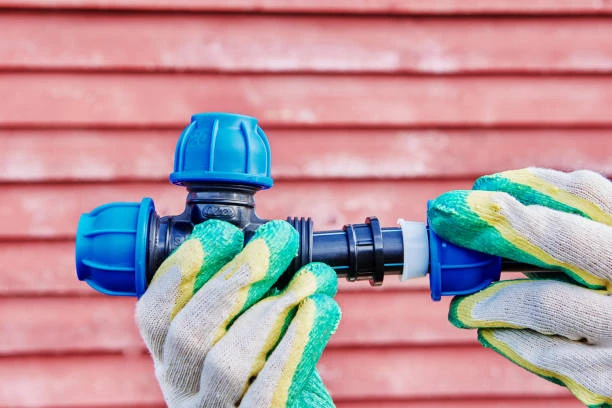
High-Density Polyethylene (HDPE) Pipe Fittings and UV Resistance
High-Density Polyethylene (HDPE) pipe fittings rank among the most widely used components in modern piping systems because they offer strength, durability, and corrosion resistance. An essential feature of HDPE pipe fittings is their ability to resist ultraviolet (UV) radiation. This UV resistance proves critical in applications where pipes and fittings face direct sunlight for long periods, such as in outdoor piping systems for water, gas, or industrial fluids. In this article, we will explore the unique properties of UV-resistant HDPE pipe fittings, their advantages, and the wide range of applications they serve.
Understanding HDPE Pipe Fittings
HDPE pipe fittings connect, join, or modify HDPE pipes using high-density polyethylene material. These fittings deliver secure and leak-free connections and maintain the structural integrity of the piping system even under tough conditions.
Manufacturers create HDPE using petroleum-based thermoplastic polymer, which provides high tensile strength, flexibility, and chemical resistance. These properties make HDPE fittings ideal for applications ranging from water supply systems to industrial pipelines.
However, outdoor piping systems often struggle with UV radiation. Sunlight can degrade many plastics over time, leading to cracking, brittleness, and shortened lifespan. Engineers tackle this issue by equipping HDPE pipe fittings with UV-resistant properties.
Why UV Resistance Matters in HDPE Pipe Fittings
UV radiation from the sun gradually weakens many materials, especially plastic polymers. When UV light strikes plastics, it triggers photodegradation by breaking molecular bonds. This process causes discoloration, mechanical failure, and material brittleness.
Manufacturers design UV-resistant HDPE pipe fittings to withstand long-term sunlight exposure while maintaining performance and structural integrity. Here’s why UV resistance matters:
- Extended Lifespan
UV-resistant HDPE fittings last for decades under direct sunlight, which lowers replacement frequency. - Maintained Strength
Without UV resistance, fittings lose tensile strength over time. UV-resistant fittings keep their mechanical properties intact. - Protection Against Cracking
Engineers design UV-resistant fittings to prevent surface cracking and brittleness caused by sunlight. - Consistency in Performance
These fittings ensure reliable function in harsh outdoor environments. - Cost Savings
UV resistance helps reduce maintenance, repair, and replacement costs over time.
How HDPE Pipe Fittings Achieve UV Resistance
Manufacturers implement various methods to ensure UV resistance during the production of HDPE pipe fittings:
- Carbon Black Additives
Engineers add carbon black to the HDPE polymer to absorb harmful UV rays. A content of 2–3% carbon black effectively blocks UV degradation. - UV Stabilizers
Chemists also add stabilizers to absorb UV energy and dissipate it as heat, protecting molecular bonds in the polymer. - Protective Coatings
Some fittings include extra UV-resistant layers that enhance performance in high-radiation areas. - Improved Manufacturing Techniques
Advanced extrusion and molding technologies ensure even distribution of UV-resistant additives across the fitting.
Key Benefits of UV-Resistant HDPE Pipe Fittings
UV-resistant HDPE pipe fittings offer a range of practical advantages, especially in outdoor environments:
- Durability in Harsh Environments
Designers create these fittings to withstand intense sunlight, temperature shifts, and tough weather. - Chemical Resistance
HDPE naturally resists acids, alkalis, and solvents. UV resistance preserves this feature over time. - Flexibility
Even under stress or movement, these fittings remain flexible, a property that UV exposure does not diminish. - Corrosion Resistance
Unlike metal fittings, HDPE does not rust. UV resistance allows it to perform in wet or humid outdoor settings. - Eco-Friendly
Manufacturers can recycle UV-resistant HDPE fittings after their service life. - Lightweight and Easy to Install
Workers find UV-resistant HDPE fittings easy to handle and install due to their low weight and high durability.
Applications of UV-Resistant HDPE Pipe Fittings
Because of their strength and UV protection, UV-resistant HDPE pipe fittings serve across many industries:
- Water Supply Systems
Municipal and residential water systems use these fittings, especially where pipes remain exposed above ground. - Irrigation Systems
Farmers install UV-resistant fittings to keep irrigation systems working efficiently in full sunlight. - Gas Distribution
Utility companies favor HDPE fittings for gas pipelines because of their UV stability and toughness. - Industrial Applications
Facilities that handle chemicals or pressurized fluids choose these fittings for outdoor or sunlit installations. - Mining and Slurry Transport
Mines rely on UV-resistant HDPE for outdoor slurry pipelines that face rough environmental conditions. - Telecommunication Ducts
Installers use UV-resistant fittings to shield cables laid in sun-exposed locations. - Drainage Systems
Builders prefer UV-resistant fittings for surface-level drainage pipes that face constant sunlight.
Factors to Consider When Choosing UV-Resistant HDPE Pipe Fittings
When selecting UV-resistant HDPE fittings, keep the following in mind:
- Quality of UV Protection
Look for fittings with at least 2% carbon black or effective UV stabilizers. - Application Requirements
Choose fittings based on pressure needs, size, and connection type for your specific project. - Environmental Conditions
Evaluate the temperature range, UV exposure, and chemical risks of the installation area. - Compliance with Standards
Ensure the fittings meet international standards like ISO, ASTM, or DIN. - Manufacturer Reputation
Select products from reliable companies known for their performance and product quality.
Conclusion
UV-resistant HDPE pipe fittings play a crucial role in modern outdoor piping systems. These fittings withstand sunlight for years while maintaining strength, flexibility, and durability. Engineers achieve UV resistance by adding carbon black, stabilizers, or coatings during production.
These fittings serve water supply, gas, agriculture, telecom, mining, and industrial needs with outstanding efficiency. When chosen wisely and installed correctly, UV-resistant HDPE pipe fittings extend system life and reduce maintenance costs, offering lasting value across diverse applications.
IFAN international standard
IFAN adheres to a wide range of international standards for HDPE pipes and fittings to ensure quality, reliability, and compatibility across various applications. These standards include ASTM D3035, ASTM D3350, ISO 4427 series, EN 12201 series, DIN 8074/8075, GB/T 13663 series, AS/NZS 4130, JIS K6760, BS 6572, and CSA B137.1, among others. By complying with these globally recognized standards, IFAN ensures that its products meet the requirements for performance, durability, and safety across diverse industries and markets.
Contact
IFAN is a professional manufacturer with of experience, dedicated to producing high-quality plastic pipes, fittings, and valves. Our products include brass valves, PPR valves, as well as various pipes and fittings to meet different customer needs. Whether you need plumbing and drainage pipes or valve products, IFAN can provide a diverse range of high-quality, cost-effective products to support your projects. Below is our contact information.
We will reply your email or fax within 24 hours.
You can call us at any time if there is any question on our production.
For more information,pls visit our webside https://www.ifanplus.com/
Pls Mailto: [email protected]
Whatsapp: + 86 19857948982























