


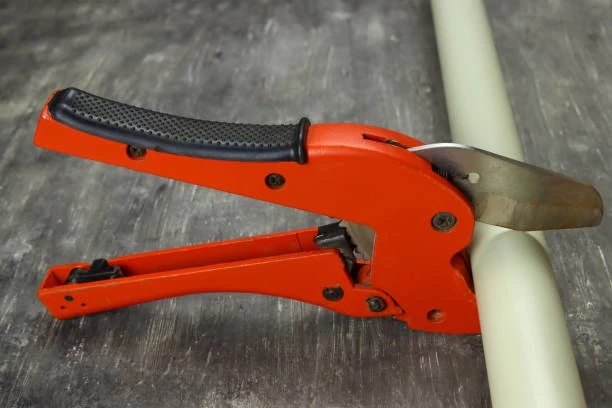
Tubing cutters are indispensable tools for various industries, allowing users to make precise cuts on pipes and tubes. These tools are commonly used in plumbing, HVAC (heating, ventilation, and air conditioning), automotive, and construction. Unlike traditional saws, tubing cutters provide a clean, straight cut with minimal effort and without leaving messy edges. By understanding how to properly use a tubing cutter, users can achieve high-quality cuts and prolong the tool’s life. In this guide, we will discuss the usage of tubing cutters and explore the various applications and benefits they offer.
Key Components of a Tubing Cutter
A tubing cutter consists of several important parts, each contributing to its overall function:
- Cutting Wheel: The cutting wheel is the primary component responsible for making the cut. It is typically made from high-carbon steel or similar durable materials.
- Rollers: Rollers help guide the pipe and ensure it remains in place during the cutting process, preventing any movement.
- Handle: The handle allows the user to apply force while rotating the cutter around the pipe.
- Adjustment Knob: This knob allows users to adjust the cutter to different pipe sizes, ensuring a proper fit for various applications.
- Locking Mechanism: Some tubing cutters feature a locking mechanism that secures the tool when not in use, providing additional safety.
These components work together to ensure that tubing cutters perform efficiently and effectively.
Correct Technique for Using a Tubing Cutter
Before using a tubing cutter, it is important to adjust the tool to fit the specific size of the pipe or tube. Most tubing cutters are adjustable, making it easy to accommodate different pipe diameters. Once the cutter is adjusted to the correct size, position the pipe inside the tool. Ensure the cutting wheel is aligned with the area where you intend to make the cut. It is always a good practice to mark the cut location on the pipe before beginning.
Once the pipe is properly positioned, rotate the handle to apply pressure, tightening the cutter around the pipe. This pressure causes the cutting wheel to make an indentation on the pipe. After the first rotation, continue turning the cutter around the pipe, applying additional pressure each time. As the cutting wheel gradually deepens its indentation, continue rotating the tool until the pipe is fully cut through.
For best results, rotate the cutter evenly. Irregular rotations can lead to uneven cuts, which might affect the overall performance of the system being installed. After the pipe is cut, check the edges for any burrs or rough spots. If necessary, use a deburring tool to smooth the edges. This will ensure a clean, professional-looking cut.
Types of Tubing Cutters and Their Uses
Several types of tubing cutters are designed to handle different materials and applications. The most common types include:
- Manual Tubing Cutters: These are versatile and can be used for cutting soft materials like copper, PVC, and aluminum pipes. They are small, portable, and easy to handle, making them ideal for both small-scale projects and DIY applications.
- Ratchet Tubing Cutters: Ratchet cutters feature a ratcheting mechanism that makes it easier to apply incremental pressure while cutting. These cutters are especially useful when working with tougher materials, such as stainless steel. The ratchet mechanism ensures that the user does not have to apply excessive force, making it suitable for large-diameter pipes.
- Heavy-Duty Tubing Cutters: These cutters are built for industrial and commercial use. They are capable of cutting larger pipes or thick-walled materials with ease. Heavy-duty cutters often come with more durable cutting wheels and are ideal for use in demanding environments.
- Plastic Pipe Cutters: Some tubing cutters are designed specifically for cutting plastic pipes, such as PVC and PEX. These tools are built with blades that can handle the softness of the material, ensuring a smooth, clean cut.
- Hydraulic Tubing Cutters: Used for heavy-duty industrial applications, hydraulic cutters use hydraulic power to cut through thick pipes. These tools are ideal for high-pressure systems and materials that are difficult to cut manually.
Each type of cutter is tailored to specific needs and materials, so it’s crucial to choose the right cutter for the task at hand.
Applications of Tubing Cutters
Tubing cutters are used in a wide range of industries, and each industry has different requirements for the types of materials and pipes they use. The following are some of the most common applications:
1. Plumbing
In plumbing, tubing cutters are used to cut pipes made of materials like copper, PVC, and PEX. Plumbers rely on these tools to make precise cuts, particularly in tight or hard-to-reach spaces. Tubing cutters ensure that the pipes fit properly, reducing the chances of leaks. They are essential for both residential and commercial plumbing projects.
2. HVAC Systems
HVAC professionals use tubing cutters to trim pipes made of copper, aluminum, and other materials used in refrigeration and cooling systems. Clean, precise cuts are essential to avoid leaks and ensure the integrity of the system. By using tubing cutters, HVAC technicians can install and repair air conditioning and heating systems more efficiently.
3. Automotive
Tubing cutters are also used in the automotive industry to cut fuel lines, brake lines, and air conditioning lines. These tools allow technicians to make accurate, clean cuts that prevent leaks and ensure the proper functioning of the vehicle’s systems. Tubing cutters are essential for maintaining vehicle performance and safety.
4. Construction
In construction, tubing cutters are used to cut various pipes needed for water, gas, and electrical systems. These tools are often used to adjust pipe lengths during installation, ensuring that the pipes fit properly in tight spaces. Construction professionals rely on tubing cutters to make accurate cuts quickly, which is essential for meeting deadlines and maintaining project quality.
Benefits of Using Tubing Cutters
Tubing cutters offer several advantages over traditional cutting tools like hacksaws. These benefits make them a preferred choice for many professionals:
- Clean and Precise Cuts: Tubing cutters produce straight, clean cuts without burrs or jagged edges. This helps ensure a proper fit for joints and connections, reducing the risk of leaks.
- Efficiency: Unlike hacksaws, tubing cutters require less effort. The tool works by gradually tightening around the pipe, cutting through the material without exerting excessive force.
- Portability: Tubing cutters are small and lightweight, making them easy to carry and use in tight spaces. This portability is especially valuable for professionals working in areas with limited room to maneuver.
- Safety: Using a tubing cutter is safer than using a saw, as the tool remains stable during the cutting process. There is a lower risk of accidents such as slipping or miscuts, which can cause injury.
- Reduced Mess: Tubing cutters produce minimal debris, unlike saws that can scatter metal shavings or plastic dust. This cleaner cutting process is beneficial for both the workspace and the workpiece.
Proper Maintenance for Tubing Cutters
To keep tubing cutters in optimal condition, regular maintenance is essential. After each use, clean the cutting wheel and remove any debris or residue. Inspect the blade for signs of wear or damage. If the cutting wheel is dull, it may need to be replaced to ensure precise cuts. Additionally, lubricate the tool regularly to prevent rust and ensure smooth operation.
Conclusion
Tubing cutters are invaluable tools that provide precision, safety, and efficiency in various industries. Whether used in plumbing, HVAC, automotive, or construction, these tools make cutting pipes a more manageable task. By understanding the proper techniques for using tubing cutters and selecting the right tool for each application, users can achieve the best results. Furthermore, with proper maintenance, these tools can serve their purpose for years, making them a long-lasting investment.
Top copper pipe cutter Suppliers
| Company Name | Headquarter/Location | Year Founded |
| IFAN | Zhuji, China | 1993 |
| AVK Group | Denmark | 1941 |
| NIBCO | Indiana | 1904 |
| SIO | Ningbo City, China | 2009 |
| Emerson | USA | 1890 |
IFAN international standard
IFAN products comply with a range of internationally recognized standards, ensuring quality and performance in various applications. These include the ISO 15874 series standards, which outline the specifications for plastic piping systems; the EN 15874 series standards, which cover the requirements for polyethylene (PE) pipes and fittings in water distribution systems; ASTM F2389, which sets the standards for crosslinked polyethylene (PEX) tubing systems; DIN 8077/8078, which address the dimensions and testing of plastic pipes; GB/T 18742 series standards, which are the Chinese national standards for plastic pipes and fittings; and NBR 15884, a Brazilian standard for PE and PEX piping systems. These certifications demonstrate IFAN’s commitment to providing reliable and high-quality products in compliance with global industry standards.
Contact
IFAN is a professional manufacturer with of experience, dedicated to producing high-quality plastic pipes, fittings, and valves. Our products include brass valves, PPR valves, as well as various pipes and fittings to meet different customer needs. Whether you need plumbing and drainage pipes or valve products, IFAN can provide a diverse range of high-quality, cost-effective products to support your projects. Below is our contact information.
We will reply your email or fax within 24 hours.
You can call us at any time if there is any question on our production.
For more information,pls visit our webside https://www.ifanplus.com/
Pls Mailto: [email protected]
Whatsapp: + 86 19857948982























