


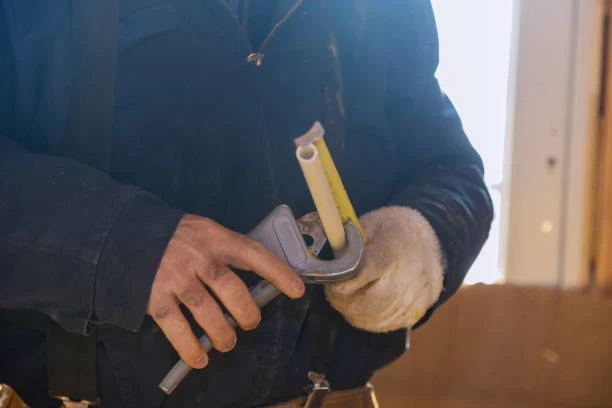
Copper pipe cutters are essential tools used in plumbing and other industries where copper piping is common. The durability of these tools is crucial because they must endure the forces and pressures required to cut through metal pipes while maintaining their performance over time. Factors such as material selection, design, usage frequency, and maintenance all play a role in determining the longevity and reliability of a copper pipe cutter. This article discusses the aspects that contribute to the durability of these tools.
1. Material Selection
The material used in manufacturing a copper pipe cutter is one of the most important factors influencing its durability. A copper pipe cutter needs to withstand the pressure and friction involved in cutting through copper, which is a soft yet sturdy metal.
- High-Carbon Steel Blades
Copper pipe cutters typically feature blades made of high-carbon steel. High-carbon steel is known for its strength, hardness, and resistance to wear. These blades can maintain sharpness even after extended use, which contributes to the tool’s durability. The hardness of high-carbon steel ensures the cutter can handle the rigorous task of cutting through copper pipes without becoming dull or damaged. - Stainless Steel Components
Many high-quality copper pipe cutters include stainless steel components for added strength and resistance to corrosion. Stainless steel is highly resistant to rust, which is important when working with metal piping that may have moisture present. This resistance to corrosion increases the tool’s lifespan, especially in environments where exposure to water or humidity is common. - Aluminum or Reinforced Plastic Handles
The handles of a copper pipe cutter are typically made from lightweight but durable materials like aluminum or reinforced plastic. These materials reduce the overall weight of the tool while providing sufficient strength to endure the stress during cutting. Aluminum is both light and resistant to corrosion, while reinforced plastics add strength without compromising on weight. These materials help ensure that the cutter remains sturdy, even with frequent use.
2. Design and Construction
The design and construction of a copper pipe cutter contribute significantly to its durability. A well-designed cutter minimizes wear on the tool and helps prevent premature failure.
- Ergonomic Handles
Copper pipe cutters often feature ergonomic handles that provide a comfortable grip. A firm, comfortable grip reduces the strain on the user’s hands and ensures greater control during cutting. This design reduces the chances of the tool slipping or misaligning during operation, thus preventing damage to the tool or the pipe. - Precision Cutting Mechanism
The cutting mechanism in a copper pipe cutter is crucial for ensuring a precise and clean cut. The mechanism must be sturdy enough to withstand constant pressure without bending or breaking. Cutters with a ratcheting mechanism or a geared system tend to last longer since they distribute force more evenly across the tool, reducing stress on individual parts. - Locking Mechanisms
Many copper pipe cutters feature locking mechanisms that help secure the cutter in the closed position when not in use. These locks prevent accidental activation, which can prolong the lifespan of the tool by keeping it from being unnecessarily stressed or damaged during storage.
3. Usage Frequency
The frequency with which a copper pipe cutter is used plays a significant role in determining its durability. Like any tool, the more often it is used, the quicker it will wear out.
- Heavy-Duty Use
For contractors or professionals who use copper pipe cutters daily, durability becomes even more important. A high-quality cutter made with robust materials and excellent design will hold up better under heavy use. Using the cutter in line with its recommended specifications (such as the pipe diameter range) can help prolong its life, as using it on larger pipes than it is designed for can cause undue wear on the tool. - Occasional Use
For less frequent users, the tool may last longer if used properly and stored securely. Occasional users should take care not to subject the cutter to extreme pressure or cutting tasks outside its capacity. By using the tool in a more controlled manner, it will maintain its durability over a longer period.
4. Maintenance and Care
Regular maintenance and proper care are essential for preserving the durability of a copper pipe cutter. By keeping the cutter in good condition, users can ensure that the tool continues to perform at its best for years.
- Cleaning and Lubrication
After each use, cleaning the cutter is essential to remove debris, pipe shavings, or any moisture that may cause rust. A buildup of dirt or material can impair the cutter’s mechanism and reduce its cutting efficiency. Regular lubrication of the moving parts ensures smooth operation and reduces wear and tear on components like the blades and pivot points. - Sharpening or Replacing Blades
While high-carbon steel blades last a long time, they can eventually become dull after repeated use. Regularly checking the blade’s sharpness is important to maintaining a precise and effective cut. When blades start to lose their sharp edge, sharpening or replacing them can prevent the need for an entire new cutter. Some cutters allow for easy blade replacement, which can extend the overall lifespan of the tool. - Proper Storage
Storing the copper pipe cutter in a dry and secure location also contributes to its durability. Storing the tool in a damp or humid environment can lead to rust, which can shorten the tool’s lifespan. It’s important to keep the cutter in a place where it won’t be exposed to moisture or harsh conditions that could cause degradation.
5. Environmental Factors
Environmental factors, such as temperature and humidity, can influence the durability of a copper pipe cutter. Extreme conditions can cause the materials to weaken over time, reducing the cutter’s effectiveness.
- High Humidity
Prolonged exposure to high humidity can lead to corrosion, particularly in the steel components of the cutter. Using a cutter in environments with high moisture levels can lead to rust, which weakens the tool and reduces its lifespan. For environments like these, opting for cutters with corrosion-resistant coatings or stainless steel components is ideal. - Extreme Temperatures
High or low temperatures can affect the materials used in copper pipe cutters. Extreme heat can cause metals to soften, which can affect the cutter’s cutting ability. On the other hand, extremely cold temperatures can make certain materials brittle, leading to cracking or breakage. Proper storage and usage in moderate temperatures help ensure that the cutter maintains its durability.
6. Replacing Parts
A well-maintained copper pipe cutter can last a long time, but eventually, certain parts may wear out or need replacing.
- Replaceable Blades
One of the most common components to replace in a copper pipe cutter is the blade. Over time, blades can become dull or damaged, and replacing them can restore the cutter’s performance. Many manufacturers offer replacement parts, including blades, springs, and handles, which can extend the tool’s overall lifespan. - Springs and Locking Mechanisms
The springs that assist in the cutting motion and the locking mechanisms may wear out over time. Regularly inspecting these components and replacing them when necessary ensures the cutter remains functional and safe.
Conclusion
The durability of a copper pipe cutter depends on several factors, including material quality, design, frequency of use, maintenance, and environmental conditions. A well-designed, high-quality copper pipe cutter can provide years of reliable service, especially when properly cared for. Regular maintenance, such as cleaning, lubrication, and blade replacement, ensures that the cutter continues to perform at its best. By understanding the factors that contribute to a cutter’s durability, users can make informed decisions about the best tools for their needs and ensure long-term performance.
IFAN international standard
IFAN products comply with a range of internationally recognized standards, ensuring quality and performance in various applications. These include the ISO 15874 series standards, which outline the specifications for plastic piping systems; the EN 15874 series standards, which cover the requirements for polyethylene (PE) pipes and fittings in water distribution systems; ASTM F2389, which sets the standards for crosslinked polyethylene (PEX) tubing systems; DIN 8077/8078, which address the dimensions and testing of plastic pipes; GB/T 18742 series standards, which are the Chinese national standards for plastic pipes and fittings; and NBR 15884, a Brazilian standard for PE and PEX piping systems. These certifications demonstrate IFAN’s commitment to providing reliable and high-quality products in compliance with global industry standards.
Contact
IFAN is a professional manufacturer with of experience, dedicated to producing high-quality plastic pipes, fittings, and valves. Our products include brass valves, PPR valves, as well as various pipes and fittings to meet different customer needs. Whether you need plumbing and drainage pipes or valve products, IFAN can provide a diverse range of high-quality, cost-effective products to support your projects. Below is our contact information.
We will reply your email or fax within 24 hours.
You can call us at any time if there is any question on our production.
For more information,pls visit our webside https://www.ifanplus.com/
Pls Mailto: [email protected]
Whatsapp: + 86 19857948982























