


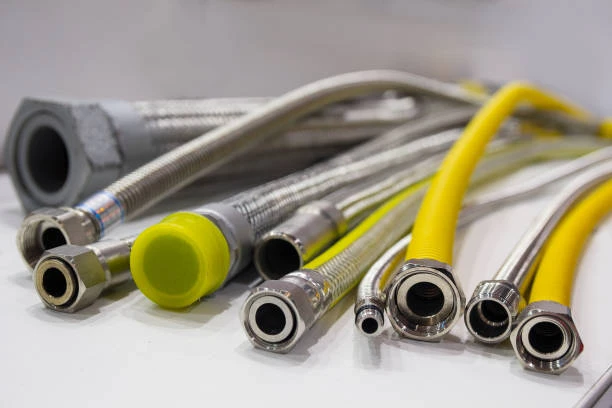
Flexible tubing plays a vital role in various industries, from plumbing and automotive to food processing and medical applications. Its ability to maintain performance under diverse conditions makes it an essential component in many systems. This article explores the key performance characteristics of flexible tubing, focusing on its strength, flexibility, chemical resistance, durability, and pressure tolerance.
Strength and Durability
The strength and durability of it are crucial for ensuring its long-term performance and resistance to physical stressors. Flexible tubing must be able to withstand the wear and tear that occurs in industrial, commercial, and residential applications. Whether used for transporting fluids, gases, or chemicals, the tubing must remain intact without cracking or splitting under pressure.
For example, in automotive applications, it must endure exposure to high temperatures, oils, and fuels. Tubing used in these environments needs to resist degradation caused by constant movement and mechanical stresses. High-quality flexible tubing maintains its strength despite these external forces, ensuring it continues to function without failures or leaks.
In industrial applications, flexible tubing is often exposed to abrasive materials or heavy-duty operations. Tubing made from materials such as reinforced rubber or thermoplastic elastomers (TPE) offers enhanced strength, helping it withstand physical stress and environmental factors without losing its structural integrity.
Flexibility
One of the defining features of flexible tubing is its ability to bend, twist, and stretch without breaking. Flexibility is essential in applications where space constraints or complex installation conditions make rigid pipes impractical. Flexible tubing can easily navigate tight spaces, curves, or corners, providing a convenient and efficient way to route systems within machinery, equipment, or structures.
In plumbing and HVAC systems, flexible tubing offers an easy way to install and connect pipes in confined or difficult-to-reach areas. Its flexibility allows it to adjust to the required path, eliminating the need for additional fittings or connections. The ability to bend without kinking or collapsing further enhances its performance and usability in a wide range of applications.
Flexible tubing also provides benefits in vibration-sensitive environments, such as automotive and industrial systems. The tubing absorbs vibrations, preventing damage to sensitive equipment and ensuring the longevity of the entire system.
Pressure Resistance
Flexible tubing must perform reliably under varying pressures. Tubing that cannot withstand high internal or external pressures may rupture, causing leaks or failures in the system. Therefore, the ability to handle pressure is a key performance factor when selecting tubing for specific applications.
In fluid transportation systems, for instance, whether it involves water, oil, gas, or chemicals, the tubing must endure high-pressure conditions without compromising its integrity. Flexible tubing made from high-strength materials such as stainless steel, TPE, or fluoropolymers provides the necessary pressure resistance. Tubing rated for high-pressure applications ensures that systems remain safe, reducing the risk of accidents or failures.
Additionally, in applications where pressure fluctuates, the tubing must maintain consistent performance under these conditions. Flexible tubing must be able to expand and contract with pressure changes without losing its shape, ensuring that it continues to function as expected.
Chemical Resistance
Chemical resistance is another important performance characteristic of flexible tubing. Tubing often comes into contact with various substances, including oils, fuels, acids, and solvents. The tubing must be resistant to chemical breakdown and degradation to prevent failure or contamination.
For example, in the food and pharmaceutical industries, tubing must be resistant to chemicals while maintaining hygiene and safety. Poor-quality tubing can leach harmful substances into the system or product, compromising the integrity of both. High-quality flexible tubing is designed to resist chemical reactions, providing long-lasting performance even when exposed to aggressive chemicals.
Flexible tubing made from materials such as TPE, PVC, or fluoropolymer offers excellent resistance to a wide range of chemicals. These materials ensure that the tubing will not degrade, crack, or lose its functionality, even when exposed to harsh chemicals in industrial environments.
Temperature Resistance
Flexible tubing must also perform reliably across a wide range of temperatures. Tubing exposed to extreme heat or cold must retain its strength, flexibility, and shape to maintain performance. If the tubing becomes too brittle in cold temperatures or too soft in hot temperatures, it can fail, leading to system malfunctions or leaks.
In industrial applications, flexible tubing often operates in high-temperature environments, such as steam lines, heat exchangers, or thermal transfer systems. Tubing made from heat-resistant materials such as silicone, fluoropolymer, or specialized rubber can maintain its strength and flexibility even in extreme temperatures. These materials ensure the tubing continues to perform under thermal stress without cracking or deforming.
Similarly, in outdoor applications, flexible tubing must withstand freezing temperatures. High-quality tubing maintains its flexibility even in cold conditions, preventing it from becoming brittle and cracking. Materials like thermoplastic elastomers or certain grades of PVC provide excellent temperature resistance, ensuring the tubing remains effective in diverse environments.
UV and Weather Resistance
In outdoor or exposed environments, flexible tubing must resist the damaging effects of UV radiation and weather conditions. UV exposure can degrade materials, causing them to weaken, fade, or become brittle. Flexible tubing used in such applications must be resistant to UV degradation to ensure it maintains its performance over time.
Many flexible tubing materials, such as UV-stabilized PVC or TPE, are specifically designed to resist the damaging effects of UV radiation. These materials provide a long lifespan even when exposed to direct sunlight or extreme weather conditions, making them ideal for outdoor plumbing, irrigation systems, or automotive applications.
In addition to UV resistance, weather resistance is equally important. Flexible tubing used outdoors must be able to withstand rain, snow, and other environmental factors without losing its integrity or functionality. Materials that offer superior weather resistance help extend the tubing’s service life and maintain optimal performance under harsh conditions.
Maintenance and Longevity
High-quality flexible tubing requires minimal maintenance while offering long-term reliability. Tubing that is resistant to wear, corrosion, and chemical degradation lasts longer, reducing the need for frequent replacements or repairs. This durability makes flexible tubing a cost-effective solution for long-term use in various systems.
Proper maintenance practices can further extend the lifespan of flexible tubing. Regular inspections, cleaning, and replacements of worn-out components ensure the system remains functional and safe. High-quality tubing is built to endure the demands of its environment, reducing the frequency of maintenance interventions and minimizing downtime.
Conclusion
Flexible tubing plays a vital role in numerous industries, offering exceptional performance in terms of strength, flexibility, pressure resistance, chemical resistance, and temperature tolerance. The ability of flexible tubing to maintain its integrity across various environmental conditions makes it indispensable in plumbing, automotive, medical, and industrial applications.
Selecting the right material and ensuring compatibility with the specific application is crucial for optimal performance. High-quality flexible tubing offers long-term reliability, durability, and minimal maintenance requirements, making it an essential component for safe and efficient systems. Whether it is for fluid transport, vibration control, or high-pressure environments, flexible tubing is designed to perform under demanding conditions, ensuring system integrity and safety.
IFAN international standard
IFAN standards include a range of international certifications and specifications such as ASTM 2846, DIN 8079/8080, ASTM F441/F441M SCH80, DIN, GB/T 18993 series, AS/NZS 1477, CSA B137.6, NSF/ANSI 14, and TIS 17-2532/1131-2535, among others. These standards ensure the quality, safety, and reliability of products, aligning with global manufacturing and performance requirements. By adhering to these standards, IFAN guarantees that its products meet rigorous industry benchmarks, ensuring customer satisfaction and compliance with regulatory guidelines across various regions.
Contact
IFAN is a professional manufacturer with of experience, dedicated to producing high-quality plastic pipes, fittings, and valves. Our products include brass valves, PPR valves, as well as various pipes and fittings to meet different customer needs. Whether you need plumbing and drainage pipes or valve products, IFAN can provide a diverse range of high-quality, cost-effective products to support your projects. Below is our contact information.
We will reply your email or fax within 24 hours.
You can call us at any time if there is any question on our production.
For more information,pls visit our webside https://www.ifanplus.com/
Pls Mailto: [email protected]
Whatsapp: + 86 19857948982























